Practice problem
Summary of Congruence Rules
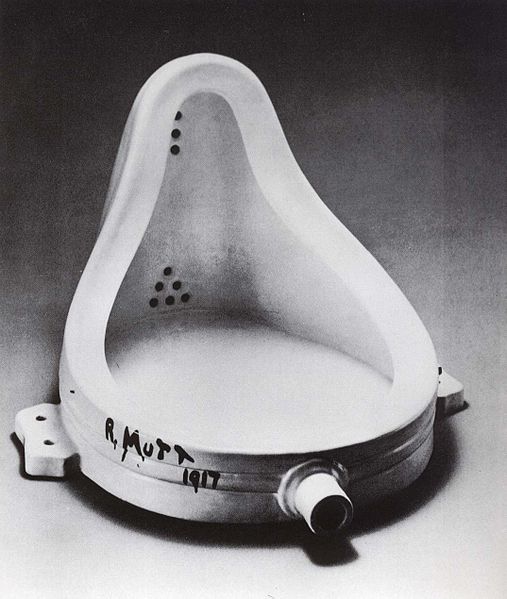

Above is the famous (or infamous) Duchamp piece Fountain. It is a urinal signed by an artist under a pseudonym and submitted as a piece of art to an exhibition back in 1917. This piece was rejected by the exhibition committee at the time, but has since became one of the most important pieces in art history. If you're curious, baffled and skeptical, read this article "The Piratical Joke That Launched An Artistic Revolution" or watch this video to find out more.
For now, let's look at the following math problem.
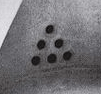
Notice how the we have some dots (or holes) that form a triangle. After some work, I transformed it to the following graph.
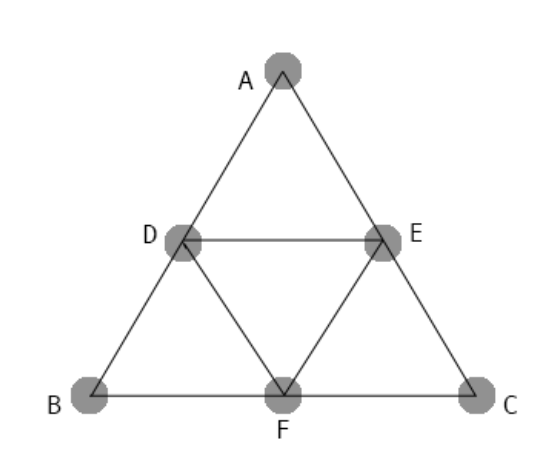
You are given the following: 0) is an equilateral triangle
- , ,
- are midpoints of , respectively.
Which of the following methods can you use to prove ? The methods not only have to be valid in general, it should also be valid in the context of this problem.