Practice problem
Substitution (DNA Mutation) — Definition & Examples

Sickle cell anemia is caused by a single base change in the gene coding for beta-hemoglobin. Beta-hemoglobin makes up part of hemoglobin, an important protein in red blood cells that binds to oxygen. The mutated beta-hemoglobin can't bind oxygen as well, decreasing blood cells' ability to transport oxygen around the body. The blood cells also have a sickle-like shape, causing them to clump together and get stuck in smaller capillary blood vessels.
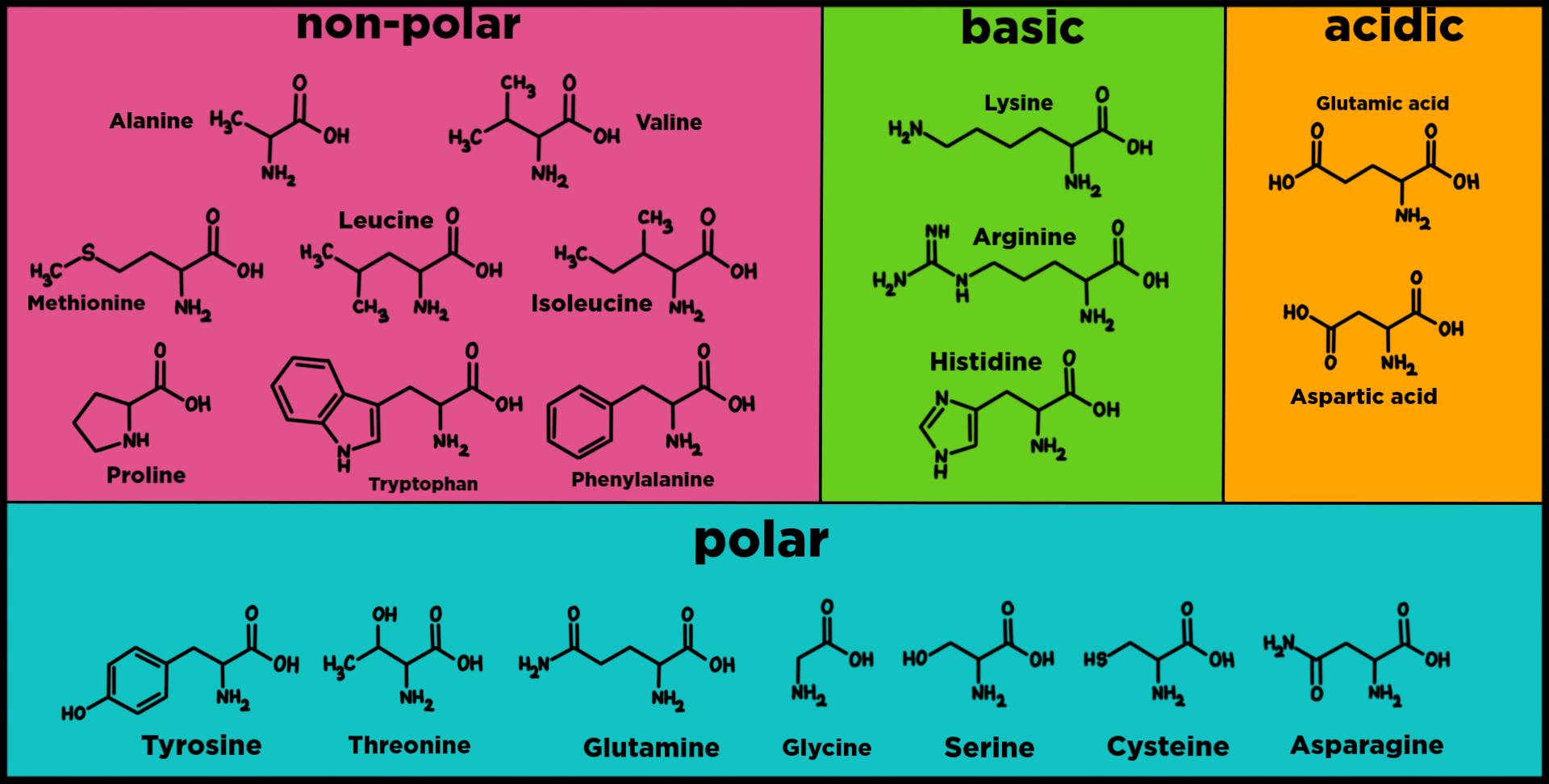
Image by Gabi Slizewska.
The point mutation responsible for sickle cell anemia changes a single amino acid from Glutamine (Glutamic acid) to Valine. Why might this one amino acid change cause the negative symptoms of sickle cell disease?