What Are Aquatic Biomes?
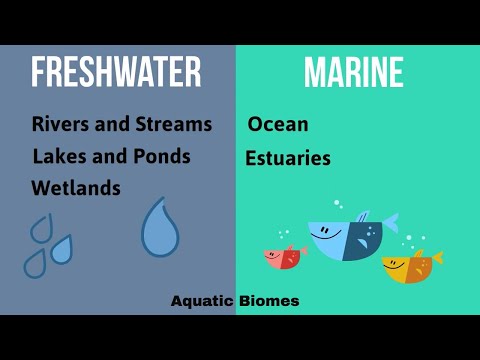
Similarly to how we broke the land into different terrestrial (land-based) biomes by their global location and characteristics, we can divide the aquatic (water-based) biomes in the same way. We care about two biomes in particular, the marine biome and the freshwater biome.
The Marine Biome
Sharks. Sea stars. Salt water. The marine biome is concerned with the biotic and abiotic factors of the oceans. The ecosystems we'll discuss are the intertidal zone, the coastal zone, and the open ocean.
Ocean Ecosystems
Intertidal Zone
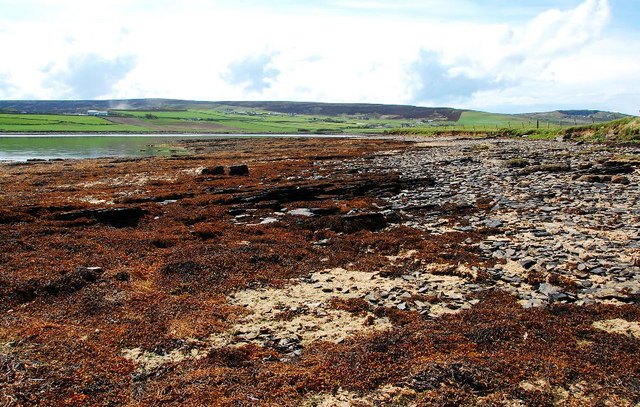
The zone closest to shore is the intertidal zone. This one is pretty easy to remember—just recall that tides happen on the shore. Therefore, the intertidal zone is where the tides happen, close to the shore. This zone is the shallowest of the marine ecosystems and also has the most change in depth. You may have heard of the terms high tide and low tide before.
Well, the animals that live in this zone have had to adapt to both of these tides. During low tide they are exposed to air, and during high tide they are underwater. They are also churned and thrown around because of waves.
Coastal Ocean
The next zone closest to the shore is the shallow sea, which is also known as the coastal ocean. This area stretches from where the low tide ends to where the continental shelf ends. This zone is a pretty sweet place to live. It is well lit and gets nutrients from runoff. This zone is where coral reefs exist.
Open Ocean
The final and largest zone is the open ocean. This zone is divided into two, the open ocean photic zone and the open ocean aphotic zone. In case you don't know, photic means light and the prefix a- means "no" or "not", like in asymmetrical. Based on this, the photic zone is the part of the open ocean that light reaches. Similarly, the aphotic zone has no light.
The open ocean photic zone has very little nutrients and only small organisms can survive. The aphotic zone, also called deep ocean, is permanently dark and supports some alien-looking life. The conditions in this area are extreme, with organisms surviving in tremendous pressure and cold temperatures.