Aquatic Biomes — Marine & Freshwater

Illustrated · 1 min

Aquatic Biomes: Marine and Freshwater

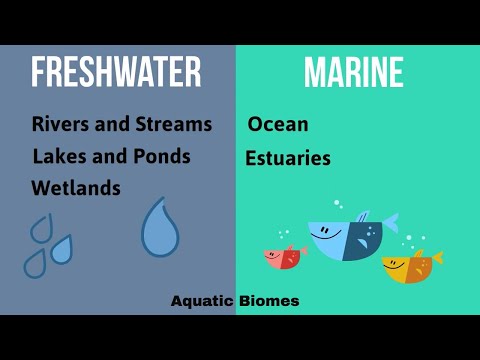
Bodies of water and the areas surrounding them are home to a whole host of creatures. These two aquatic biomes, marine biomes and freshwater biomes, are identified by type of water.

The marine biome consists of the intertidal zone, coastal zone, and deep ocean. The upper level of water is the photic zone, and the aphotic zone is lower down.

Image source: By Gabi Slizewska

The Marine Biome

  1. Intertidal zone: This is land that is covered by water when the tide is high, but is above water when the tide is low.
  2. Coastal zone: This is water which borders the land. This area is home to very diverse animal and plant life.
  3. Open ocean: The part of the ocean past the continental shelf. This is the largest part of the marine biome and is also known as the pelagic zone.

The marine biome can also be divided into the photic and aphotic zone.

The photic zone is the upper layer of water which absorbs sunlight. The aphotic zone is the deeper layer of water which does not receive sunlight.

Illustrated · 4 min

What Are Aquatic Biomes?

Similarly to how we broke the land into different terrestrial (land-based) biomes by their global location and characteristics, we can divide the aquatic (water-based) biomes in the same way. We care about two biomes in particular, the marine biome and the freshwater biome.


The Marine Biome

Sharks. Sea stars. Salt water. The marine biome is concerned with the biotic and abiotic factors of the oceans. The ecosystems we'll discuss are the intertidal zone, the coastal zone, and the open ocean.

Ocean Ecosystems

Intertidal Zone

The zone closest to shore is the intertidal zone. This one is pretty easy to remember—just recall that tides happen on the shore. Therefore, the intertidal zone is where the tides happen, close to the shore. This zone is the shallowest of the marine ecosystems and also has the most change in depth. You may have heard of the terms high tide and low tide before.

Well, the animals that live in this zone have had to adapt to both of these tides. During low tide they are exposed to air, and during high tide they are underwater. They are also churned and thrown around because of waves.

Coastal Ocean

The next zone closest to the shore is the shallow sea, which is also known as the coastal ocean. This area stretches from where the low tide ends to where the continental shelf ends. This zone is a pretty sweet place to live. It is well lit and gets nutrients from runoff. This zone is where coral reefs exist.

Open Ocean

The final and largest zone is the open ocean. This zone is divided into two, the open ocean photic zone and the open ocean aphotic zone. In case you don't know, photic means light and the prefix a- means "no" or "not", like in asymmetrical. Based on this, the photic zone is the part of the open ocean that light reaches. Similarly, the aphotic zone has no light.

The open ocean photic zone has very little nutrients and only small organisms can survive. The aphotic zone, also called deep ocean, is permanently dark and supports some alien-looking life. The conditions in this area are extreme, with organisms surviving in tremendous pressure and cold temperatures.

Cthulhu lurks in the aphotic zone.

Image source: By Borja Pindado CC BY-SA 3.0, via Wikimedia Commons


The Freshwater Biome

The freshwater biome includes lakes and ponds, streams and rivers, and wetlands. Freshwater biomes are different from marine biomes because they contain very little dissolved salt. These waters have about 0.05% salt and make up about 3% of the total water on Earth.

River and Stream Ecosystems

We'll talk about rivers and streams first. Rivers are much bigger than streams. These freshwater sources originate from underground water sources. As the water flows from the source, sediments and nutrients are picked up and deposited. The source of rivers and streams have very little plant life due to the few nutrients available. The end of rivers and streams have the highest concentration of nutrients and the most plants.

Plants need to have adaptations that help them deal with the constant flow of rivers. Some common adaptations are deep-reaching roots and bendable stems.

Lake and Pond Ecosystems

Lakes and ponds can have water flowing in and out of them but are usually considered to be standing water. Lakes are much larger than ponds. The circulation of water within a lake or pond allows nutrients, oxygen, and heat to be spread around the biome. Some lakes are quite deep, and plants must have adaptations that help them get enough sunlight.

Lakes and ponds contain two major zones. The littoral zone is closest to shore and contains many rooted plants. The limnetic zone is further towards the center of the lake or pond and tends to be deeper.

Wetland Ecosystems

Finally, wetlands occur when water covers the soil of an area for at least part of the year. Hence the "wet" part of the wetland, kinda like how shrublands have a lot of shrubs. The water of the wetland can either flow or stay in one place. These areas are typically very rich in nutrients and have a lot of organisms living there. They purify the waters by filtering out pollutants and also help to prevent floods.

The three kinds of freshwater wetlands are bogs, marshes, and swamps.

A swamp is a wetland with many trees.

Image source: By Gary Bridgman CC BY-SA 3.0, via Wikimedia Commons

  • Bogs typically form in depressions in which water collects. The soil tends to be very acidic, and mosses dominate the plant life.
  • Marshes are wetlands that form along rivers. They tend to be dominated by tall grasses.
  • Swamps can be distinguished from marshes by the presence of trees. They often look like flooded forests.

Video

(Video) Aquatic Biomes

By MooMoo Math and Science

The video above explains the different aquatic biomes on Earth.

Illustrated · 3 min

Types of Aquatic Biomes

Marine Biome

Intertidal zone

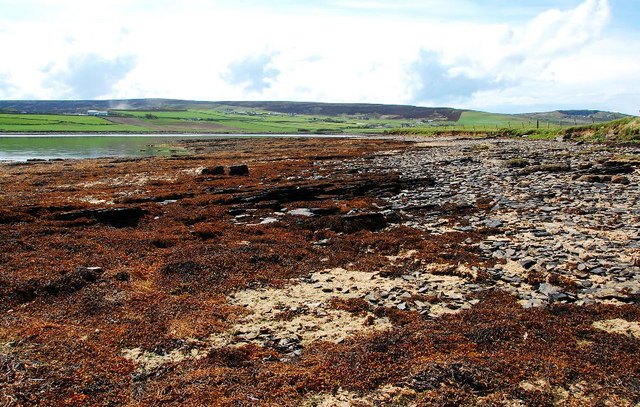
The shallowest of marine biomes, the intertidal zone is the region alongside bodies of water that are exposed to air at low tide and underwater at high tide. Intertidal zones have an abundance of life, but the creatures that live here must be capable of surviving both in and out of the water. Mussels, crabs, starfish, barnacles, and seaweed all cling to the surfaces and hide in the cracks of the rocks to avoid predators and keep from being swept out to sea by crashing waves.

The intertidal zone. It looks like wet mud.

Image source: By Ian Balcombe CC BY-SA 2.0, via Wikimedia Commons

Coastal Ocean

Entirely within the photic zone, the coastal ocean is an area in which enough sunlight gets through for photosynthesis to occur. This biome is a relatively small shelf that runs around the edge of most continents. Coastal oceans are very biodiverse due to the presence of kelp and other photosynthetic plants, which allows for complex food webs centered around these plants.

A school of fish in the coastal ocean

Image source: By Daderot CC0, via Wikimedia Commons

Coral Reefs

Coral Reefs are calcium carbonate structures in warm and shallow waters. The structures are built by polyps that form solid structures which provide shelter and food resources for a vast array of fish and other organisms. Coral reefs only cover 1% of the ocean floor but contain about 25% of the world's aquatic diversity.

A school of fish swimming around a coral reef

Image source: By Daviddarom [Public domain], via Wikimedia Commons

Open Ocean: Pelagic Zone

Also called the oceanic zone, the open ocean begins at the end of the coastal ocean biome. The open ocean has a very low concentration of organisms per area and also has a very low concentration of nutrients. Organisms like whales, dolphins, tuna, and octopuses occupy this zone. This zone has both photic and aphotic areas. Photic is where light can reach, and aphotic is where no sunlight can reach.

Benthic Zone

The benthic zone describes the seafloor in the aphotic area of the ocean. It runs along the seabed and includes any organism living in the darkness of the ocean floor.

A terrifying angler fish

Image source: By Spider.Dog CC BY 2.0, via flickr.com


Freshwater Biome

Flowing Water Ecosystems

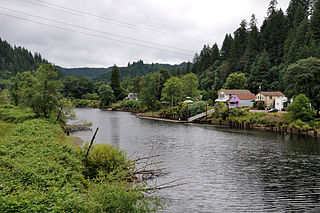
Streams and rivers are very productive and diverse ecosystems. Nutrients flowing downstream and fresh oxygen getting mixed in due to turbulence make flowing water ecosystems very productive. The organisms that live here have to be well adapted to the rushing water so they don't get swept downstream.

A river surrounded by grasses, shrubs, and trees. There are three houses alongside it.

Image source: By Finetooth CC BY-SA 3.0, via Wikimedia Commons

Standing Water Ecosystems

These ecosystems consist of lakes and ponds. Water can flow into and out of these ecosystems, but most of the water cycles within it. These bodies of water experience turnover, which is when water gets mixed up in the spring and fall due to changes in temperature. This turnover helps to distribute oxygen which is on the surface and nutrients which are on the bottom throughout the entire column of water.

A standing freshwater biome with mountains in the back and a house along its edge.

Image source: By 2HourAppreneur CC0, via pixabay.com

Freshwater Wetlands

In low lying areas, water can build up with no real way to flow downstream. The three types of wetlands are bogs, marshes, and swamps. Bogs are formed from standing water and are typically not good for life because decaying plant matter makes the soil too acidic. Marshes are shallow wetlands alongside rivers and are good breeding grounds for frogs and turtles. They usually have tall grasses. Swamps are wet all year round and can be a mixture of saltwater and freshwater.

A wetland with vegetation surrounding it

Image source: By Boréal CC BY-SA 3.0, via Wikimedia Commons


Aquatic Biomes and Human Impacts

Even if you don't live near the sea or have a pond in your backyard, you have an impact on aquatic biomes across the biosphere. The water cycle moves water around the world in all of its forms. That means spots as far away from each other as a puddle in New York City and the Indian Ocean can affect one another!

Two standard examples of human impacts on aquatic environments are pollution and introduction of invasive species.

Sources of pollution affecting the ocean include failed septic systems, coastal development, stormwater runoff, deforestation, oil and chemical spills, construction, and agricultural runoff.

Image source: By NOAA: National Ocean Service CC BY-SA 4.0, via Wikimedia Commons

Illustrated · 2 min

Aquatic Biomes

The Marine Biome

The marine biome consists of many different ecosystems that relate to different areas in the ocean. These ecosystems are usually categorized by distance and depth. We can break up the marine biome into three different ecosystems.

Intertidal Zone

The first ecosystem we'll talk about is the intertidal zone. The intertidal zone is an area close enough to the surface of the ocean that organisms are exposed to air or submerged underwater depending on the tide. At low tide, organisms are usually exposed to air whereas during high tide the organisms are submerged. Since this can impact temperatures very quickly, the organisms that usually live in this area are similar to barnacles and seaweed.

Coastal Ocean

The next ecosystem is called the coastal ocean. This area consists of the end of the tidal zone up until the continental shelf. This area is still considered shallow in comparison to the ocean past the continental shelf. The coastal ocean usually consists of coral reefs and kelp forests because of the large number of nutrients.

Open Ocean

The open ocean is the next and biggest marine ecosystem. The open ocean makes up over 90% of the ocean present on Earth. Open ocean can range many different depths and as a result can be broken into two different zones: the photic zone and the aphotic zone.

The open ocean extending as far as the eye can see

Image source: By Tiago Fioreze CC BY-SA 3.0, via Wikimedia Commons

The photic zone is the area of open ocean where there is sunlight present. This area has low nutrient levels, but the presence of light makes photosynthesis available to organisms that require it.

The aphotic zone is the area of open ocean that is vastly deep and permanently dark. Organisms that live here are extremely specialized and must be able to live in extremely cold temperatures with high pressures.


The Freshwater Biome

Freshwater ecosystems include the water on Earth's surface that is freshwater instead of saltwater. These ecosystems are extremely important since freshwater is necessary for humans.

Rivers and Streams

Rivers and streams are freshwater sources that come from underground in hills or mountains. Plants can settle and grow near the banks of the rivers and streams. These plants are necessary for the survival of many animals near the bodies of water.

A lake surrounded by hills and many plants

Image source: By Bjørn Christian Tørrissen CC BY-SA 3.0, via Wikimedia Commons

Lakes and Ponds

Lakes and ponds are areas of freshwater where water circulates between the surface and bottom. This type of circulation is great for maintaining nutrients and plankton, which creates a fairly extensive food web in these areas.

Freshwater Wetlands

Freshwater wetlands are an ecosystem where water and soil are close together either for the entire year or a portion of the year. These wetlands are rich in nutrients and allow for water purification, organism breeding, and flood prevention. The main types of wetlands are bogs, marshes, and swamps.

Type a concept, like “slope” or “photosynthesis”.

↑ ↓ to choose · Enter to openSearch explanations and problems