Illustrated · 1 min
+2 contributors


What Is an Autotroph?
An autotroph is an organism capable of providing energy for itself without consuming other living things. In this case, auto = self, and troph = eat. Basically, these organisms eat things that they produce for themselves. They make food from inorganic substances like light or chemicals.
What Kinds Are There?
A very common type is a photoautotroph. These are photosynthesizing organisms, like plants, algae, and some bacteria. (That's right—photosynthetic bacteria are autotrophs, too.) They obtain their energy from sunlight and convert it into sugars.

Image source: By Creative Vix CC0, via pexels.com
A less common type is a chemoautotroph. These organisms can take in surrounding chemicals and use them for energy. For example, aquatic organisms around deep sea vents are never exposed to sunlight. Instead, they take in the super hot carbon compounds released by the vents and convert them into usable organic compounds.
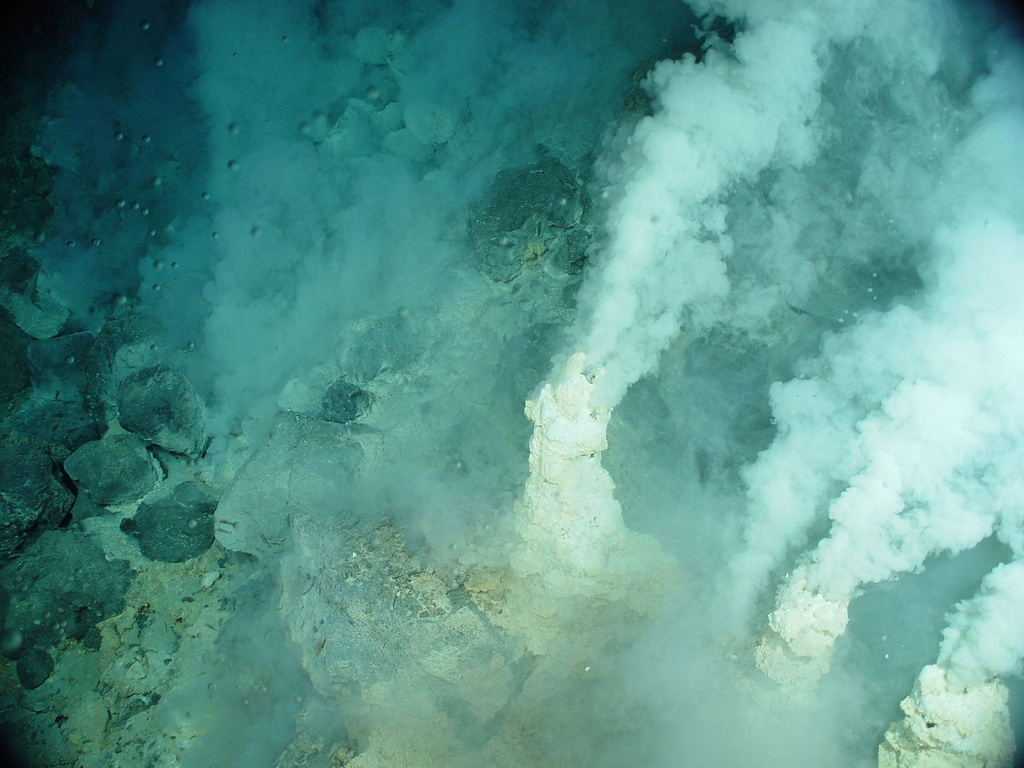
Image source: By NOAA Photo Library CC BY 2.0, via flickr.com
A specific type of chemoautotroph is only found in the domains called bacteria and archaea. These lithoautotrophs use minerals and other inorganic compounds in the environment, such as from rocks and sediment, for energy.