Illustrated · 1 min

+3 contributors


What Are Buffers?


Image source: By Sylvia Freeman
A buffer is a solution that resists changes in pH when small amounts of acids or bases are added to it.
Remember that organisms function in strict pH ranges. Big changes in pH, caused by the addition of an acid or base, can kill an organism and its cells, or (in the best case scenario) prevent a major process (like digestion) from occurring properly.
Here's an example: your blood maintains a pH of about 7.4. Let's look at what would happen if that changed:
- Blood pH of 7.7 = muscle spasms, convulsion
- Blood pH of 6.9 = coma, death
The functional pH range for blood and many of your body systems is very narrow. Major changes mean major problems.
The message here: pH levels in the body (and in specific cells) need to stay relatively constant. Maintaining constant pH is an example of homeostasis.
Here's where buffers come in.
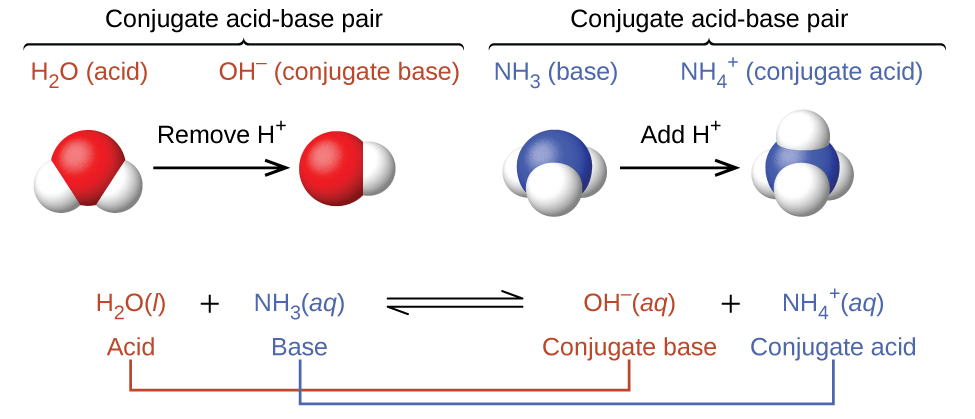
Buffer solutions are made from a weak acid and its conjugate (partner) base, or a weak base and its conjugate acid.
These solutions resist changes in pH when acids or bases are added. Organisms and their cells produce them to keep pH steady. If an acid or base is added, the buffer neutralizes it. They act like a cellular cotton ball, soaking up added acids and bases and prevent them from damaging the cell.