Video · + 1 min read

+2 contributors

(Video) Discrete vs. Continuous Relationships
by Friendly Math 101

Here's a video by Friendly Math 101 going over the differences between continuous and discrete graphs.
Discrete means something that cannot be broken down into fractions or decimals. An example would be people; you cannot have half a person. We typically say discrete things can be counted.
Continuous is something that can and must be able to be broken down into fractions and decimals. Continuous situations are said to be measured, we can measure them. An example of this would be height.
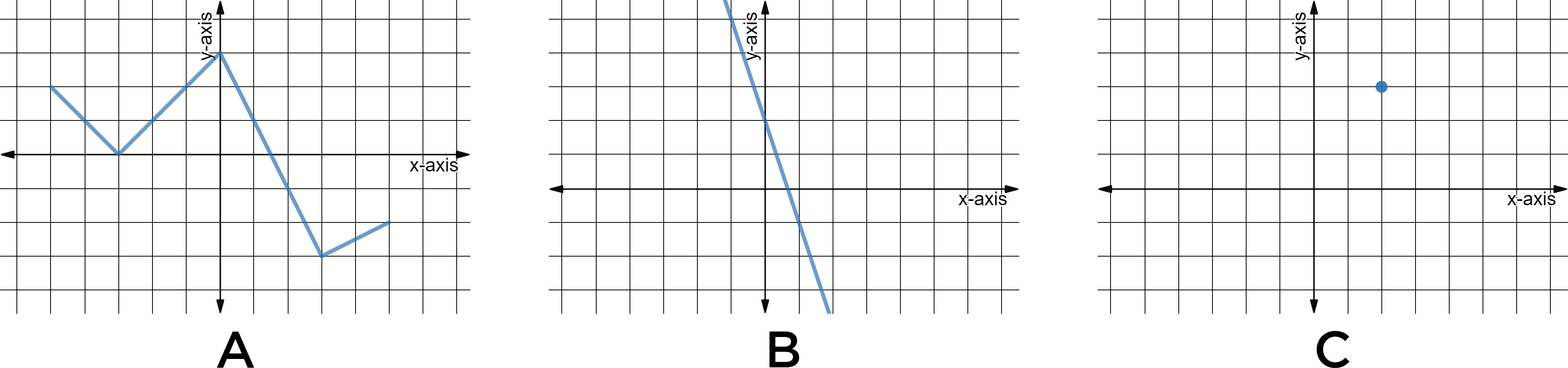
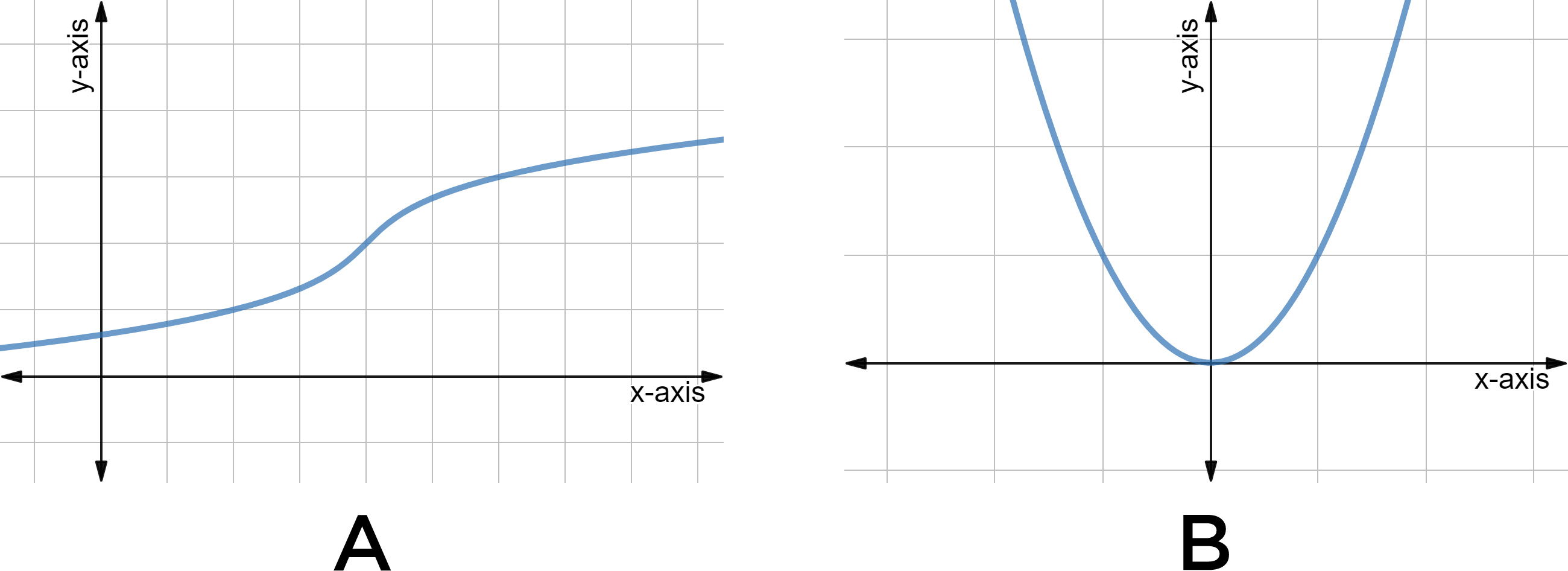
When figuring out if a graph is continuous or discrete we see if all the points are connected. If the line is connected between the start and the end, we say the graph is continuous. If the points are not connected it is discrete. Think about it, can you draw a line between the points? If you can, you've got a continuous function!
Let's practice by looking at the graphs she presents in the video!

Made using Desmos
Is this graph continuous or discrete?
Even though the function doesn't go out to infinity, the points are still connected and it's still a continuous function. Let's try another one!
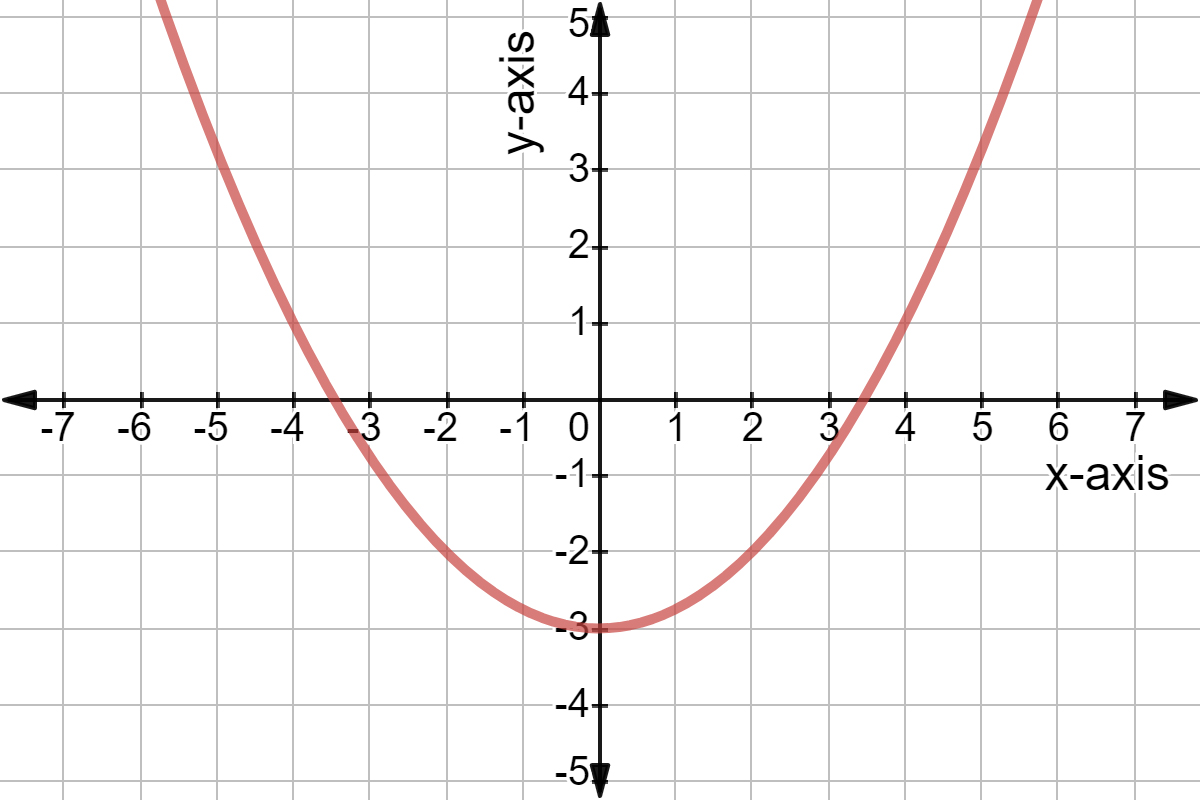
Made using Desmos
Is this graph continuous or discrete?
Let's now look at some application examples of discrete and continuous things. As you can see continuous things can be measured. Time, temperature, weight, distance, and height are all measured.
Finally we're going to figure out if some applications are continuous or discrete relationships.
Time it takes to run mile.
Is this continuous or discrete?
Length hair grows per day.
Is this continuous or discrete?