Illustrated · 1 min
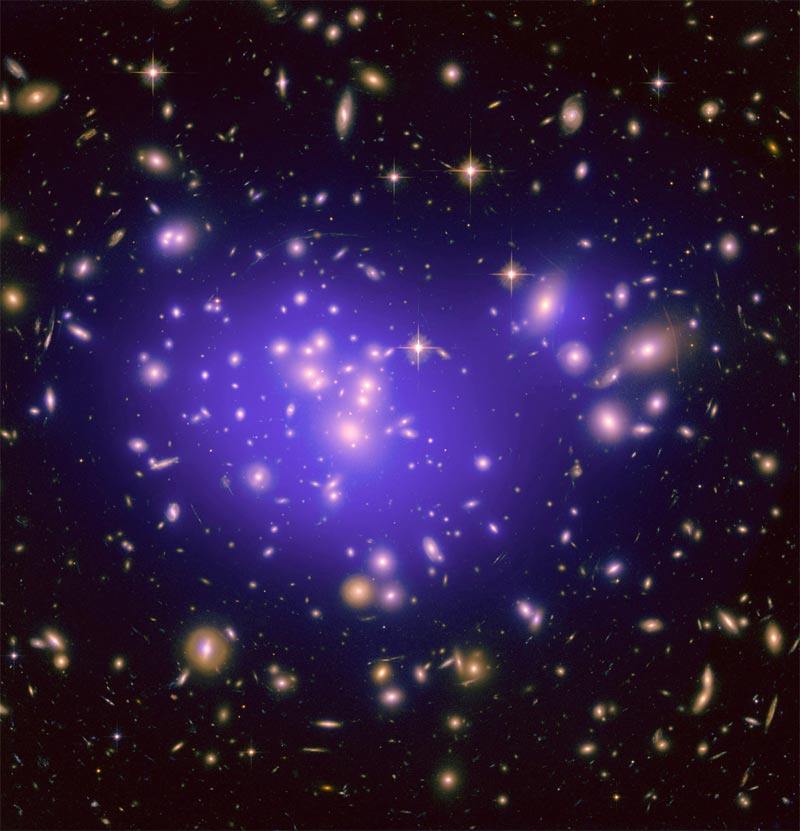
Dark energy is a very strange and unknown form of energy that permeates the universe. It accounts for roughly 70 percent of the known universe. About 25 percent is dark matter, and 5 percent is ordinary matter. This is very peculiar, showing that there is more dark energy in the universe than twice the ammount of dark and ordinary matter. Clearly dark energy dominates the universe, but what is dark energy?
Unfortunatly we aren't quite sure. But we can see it's affects on the universe quite clearly.
In 1929, American astronomer Edwin Powell Hubble was observing how light emmitted from distance galaxies shifted towards the red end of the electromagnetic spectrum as it traveled through space. During this time, he noticed that more distant galaxies were more redshifted than closer ones. From this he theorized that the larger degree of redshift in more distant galaxies was because the universe itself was expanding, stretching the wavelengths of light.
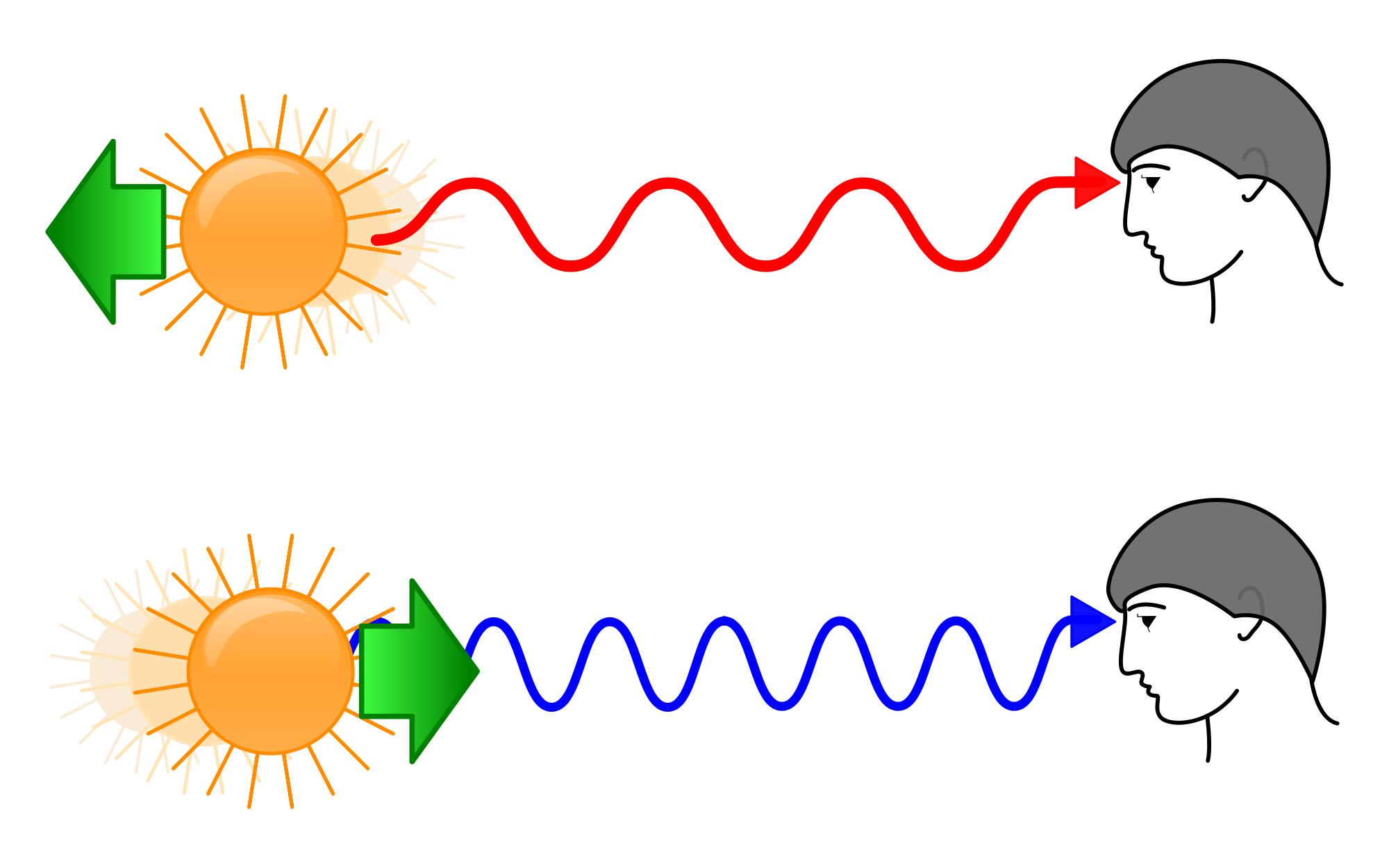
More recent observations of distant galaxies found that these galaxies were flying away from each other at an increasing rate. This shows that the expansion of the universe in accelerating. Before this, it was thought the rate of the expansion of the universe was decreasing due to gravity.
So how is dark energy related to this? It is thought that dark energy is what drives the acceleration of the universe's expantion. This was first suggested by Albert Einstein as a cosmological constant, but he later discarded the idea.
There is still much we don't know about dark energy. The idea that it drives the expansion of the universe is just a theory. But new discoveries are being found quite often, and questions are being answered thanks to those discoveries. But until we have a definite answer, we will have to wait and see.