
Illustrated · 1 min
By Sylvia Freeman

+2 contributors
Contributors



Image source: By Sylvia Freeman
Illustrated · 1 min
Image source: By Sylvia Freeman
Read · 1 min
These organisms are basically living recycling plants.
They take the waste of the ecosystem and dead materials and break them down for energy and other reusable bits. If you go outside right now, you can probably find one in the ground. A really common example is worms. Now, they may be creepy, but they do something really cool. They help break down soil and fertilize the earth so flowers and other plants can grow. The dead stuff they eat is called detritus. This energy source fuels most ecosystems by supplying minerals and fertilizer.
Needless to say, their work is pretty important. Without decomposers, dead materials and waste products would simply pile up, unable to be reused.
: How energy passes through an ecosystem through organisms eating and being eaten
: The interaction of all the food chains in an ecosystem
: Organisms that produce their own food through photosynthesis or chemosynthesis
: Organisms that consume other organisms for energy
: Organisms that break down dead plants and animals and recycle waste
Illustrated · 1 min
A decomposer is an organism that breaks down organic materials from dead organisms to obtain energy.
These organisms are basically living recycling plants. Fungi, worms, and bacteria are all examples. The dead stuff they eat is called detritus, which means "garbage".
They are extremely important for nutrient cycling. Consumers will lock the energy obtained from their prey in their bodies. When consumers die, decomposers break down muscle and skin tissue to return the minerals and resources back to the ecosystem for further use.
Nitrogen, phosphorus, and carbon are all nutrients vital to the success of an ecosystem. All three can be found in decaying plant and animal matter. Decomposers play important roles in ecosystems by recycling nutrients to keep other organisms alive.
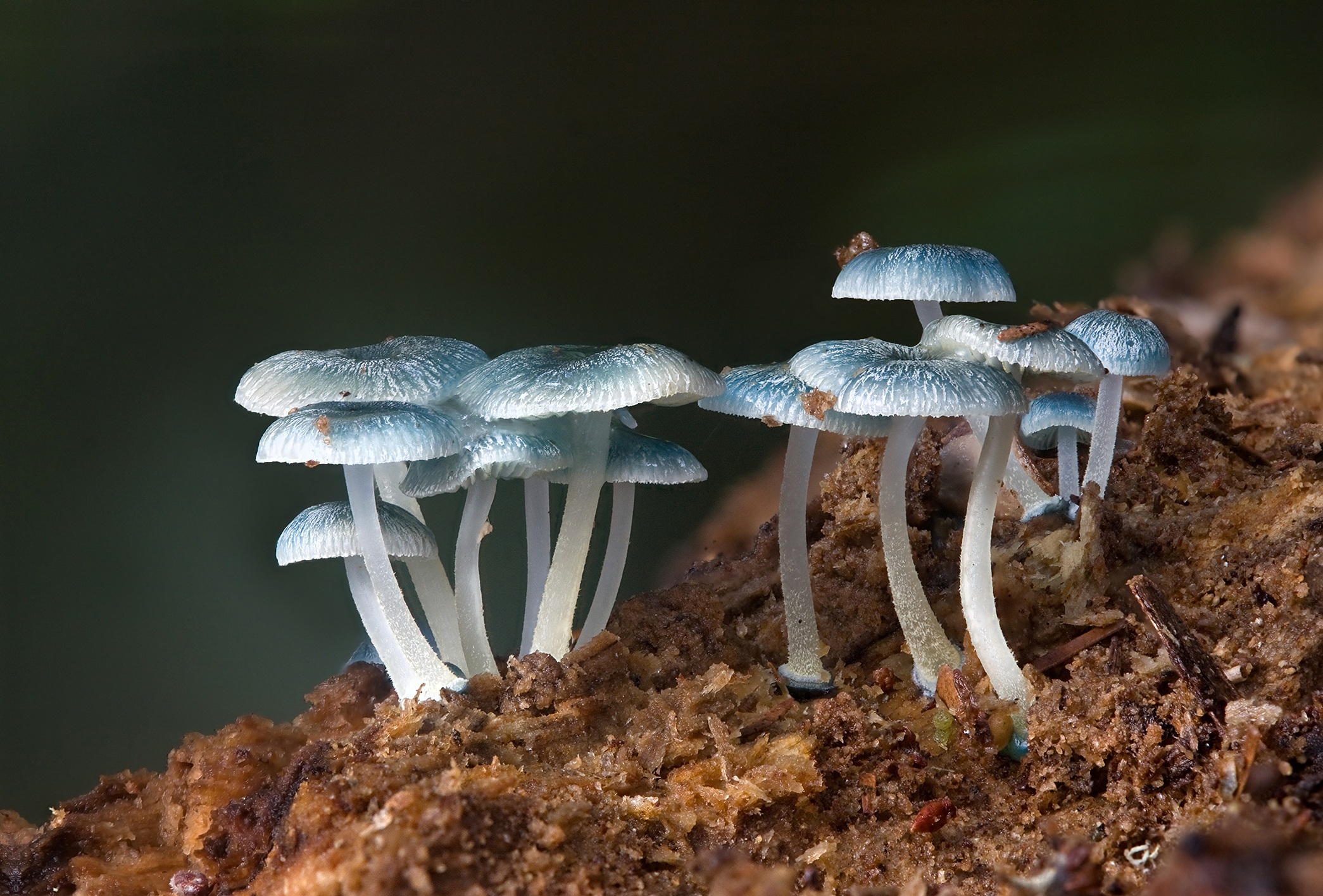
Image source: By JJ Harrison CC BY-SA 3.0, via Wikimedia Commons
Video
by John C. Moore on TED-Ed
This TED-Ed video explores what decomposers are, what they eat, and how they process energy.


