Illustrated · 2 min

+2 contributors


What Is Gene Therapy?
Over time, DNA can get damaged through environmental stressors like ultraviolet radiation or through random mutations during DNA replication. Most of the time these mutations are harmless, but sometimes they can cause serious problems.
Gene therapy is a technique that can potentially be used to treat or prevent diseases by making specific alterations to a person's genetic material. This sounds scary at first, but it's actually pretty cool. It could be used as an alternative to traditional medication and even surgery.
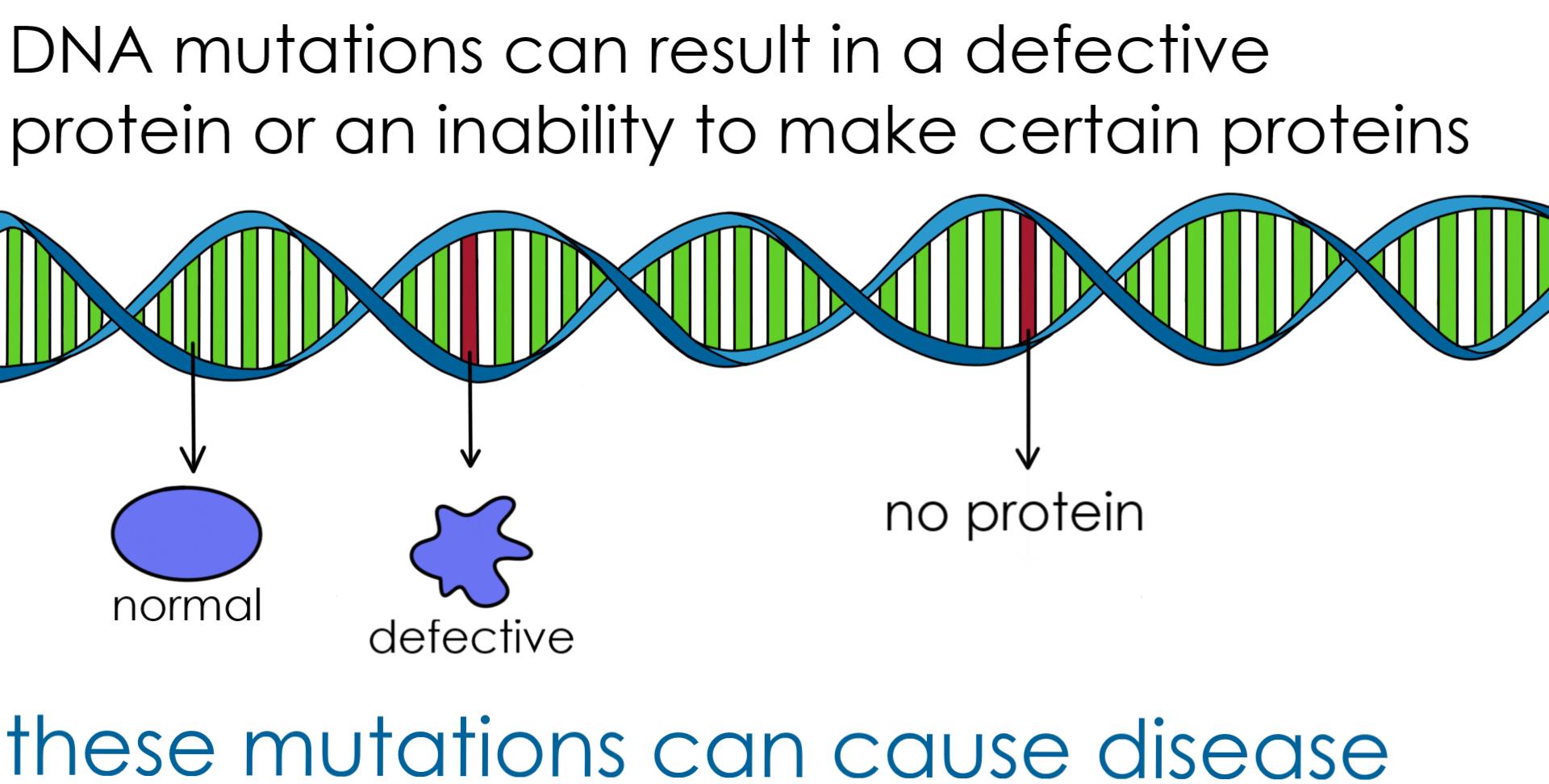
Image source: By Gabi Slizewska
How Does It Work?
There are several approaches to gene therapy. Scientists can replace a mutated gene in a person's DNA with a healthy, functioning copy which could allow the body to make proteins that it couldn't before to help treat a disease. They can also deactivate genes that cause disease or activate ones that can prevent disease.
This technique is most commonly studied with somatic cells, which are any cells besides eggs and sperm. It can also be done with egg and sperm cells, but this will change the person's germline. This means that the new gene will be passed on to their kids, whereas new genes in somatic cells would not. For ethical reasons, many countries ban germline gene therapy.
Potential Uses in the Future
There are already some gene therapy treatments approved in the United States, and many clinical trials are underway. In the future, this technique might be used to treat inherited diseases, including cystic fibrosis and certain cancers. It could also be used to fight the diseases that compromise a person's immune system. This therapy would allow scientists to customize treatment and treat the cause of the problem instead of treating the symptoms like most modern medication does.
Current Issues and Concerns
One big issue with gene therapy right now is that it is not specific enough. Scientists often use carriers called vectors (or viral vectors) to deliver the gene to cells. With this approach, they can't know for sure which cells will be affected. We also don't always know how a new gene will affect the body or how the body can control it. There is also a huge risk of the body rejecting foreign DNA, which could cause a lot of health problems.
Other concerns are ethical. Some people wonder if gene therapy will be used by athletes to enhance performance or by scientists in human engineering.
Hopefully, future research can clear up the risks and confusion so that this awesome technique can be safely used to cure various diseases.