Interactive · 1 question

+2 contributors


What Are Isolating Mechanisms in Evolution?
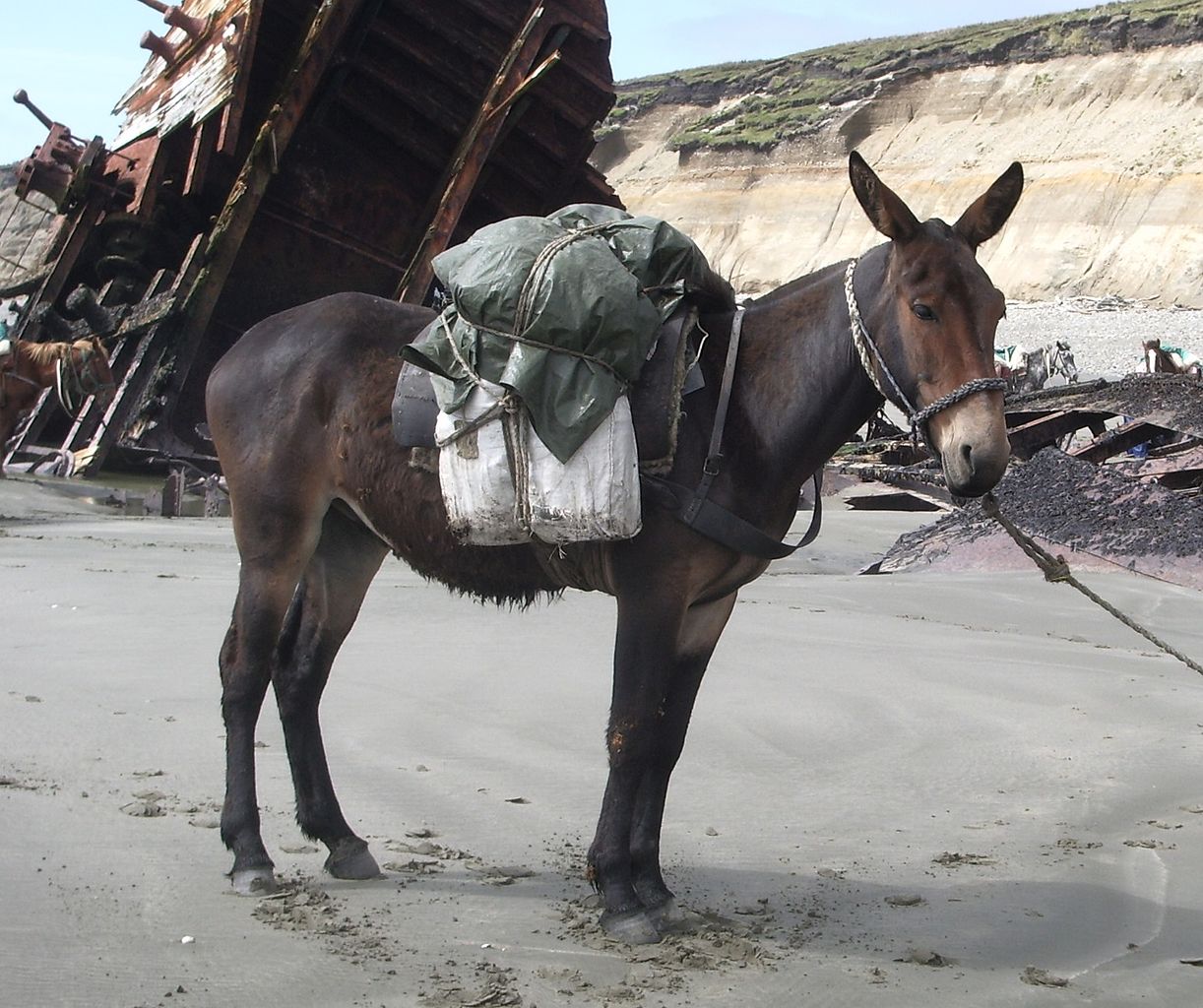
Isolating mechanisms are types of isolation, like behavioral and geographic, that can lead to the formation of new species. Don't forget that biologists define species as populations that can breed and produce fertile offspring. One species becoming two is called speciation. So basically, mechanisms of isolation can lead to speciation.
Like the name suggests, isolation happens when part of a population becomes separated and stops breeding with the other part. After a long enough time being separated, the two populations might not be able to produce offspring with each other, called reproductive isolation. At this point, both parts of the populations evolve towards being two completely separate species.

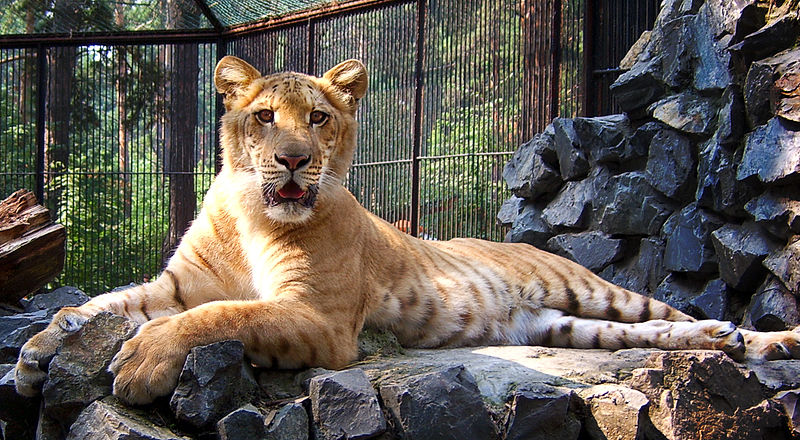
Image source: By Andrew Z. Colvin CC BY-SA 4.0, via Wikimedia Commons
How can you tell when speciation has occurred?
What Are the Types of Isolating Mechanisms?
The three types of isolation are called behavioral isolation, geographic isolation, and temporal (time) isolation.
Behavioral isolation happens when some kind of behavior changes within a population, like how males court females with songs. If half the population uses one song to attract females and the other half is using a different song, the two parts will not mix, and they become isolated.
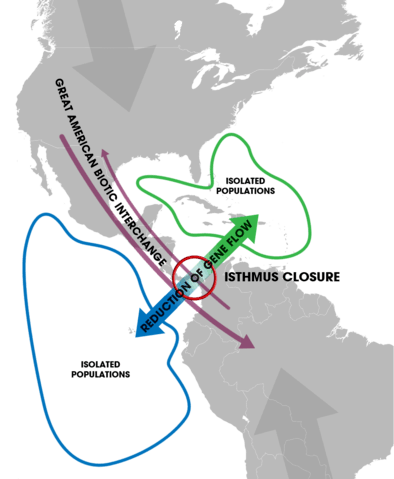
Geographic isolation is easier to visualize. It happens when a population is somehow divided by geography, like back when the continents separated. On a smaller scale, populations can become separated by rivers, mountains, or bodies of water. A type of squirrel actually became two separate species because the grand canyon divided the population.
Temporal isolation means that the population was divided by time. Temporal is a fancy way of saying time. If half of a population mates in January and the other half mates in June, they will eventually become different species. Because they mate in different months, the two parts of the population can't breed with each other.
: Types of isolation that lead to the formation of a new species
: A portion of a population undergoes a behavior change and no longer mate with the other part of the species
: A portion of a population becomes separated by geography and can no longer mate with the other part of the species
: A portion of a population changes the time they are awake or time they breed and they can no longer mate with the other part of the population