Illustrated · 1 min

Long-Term Energy Storage: Lipids
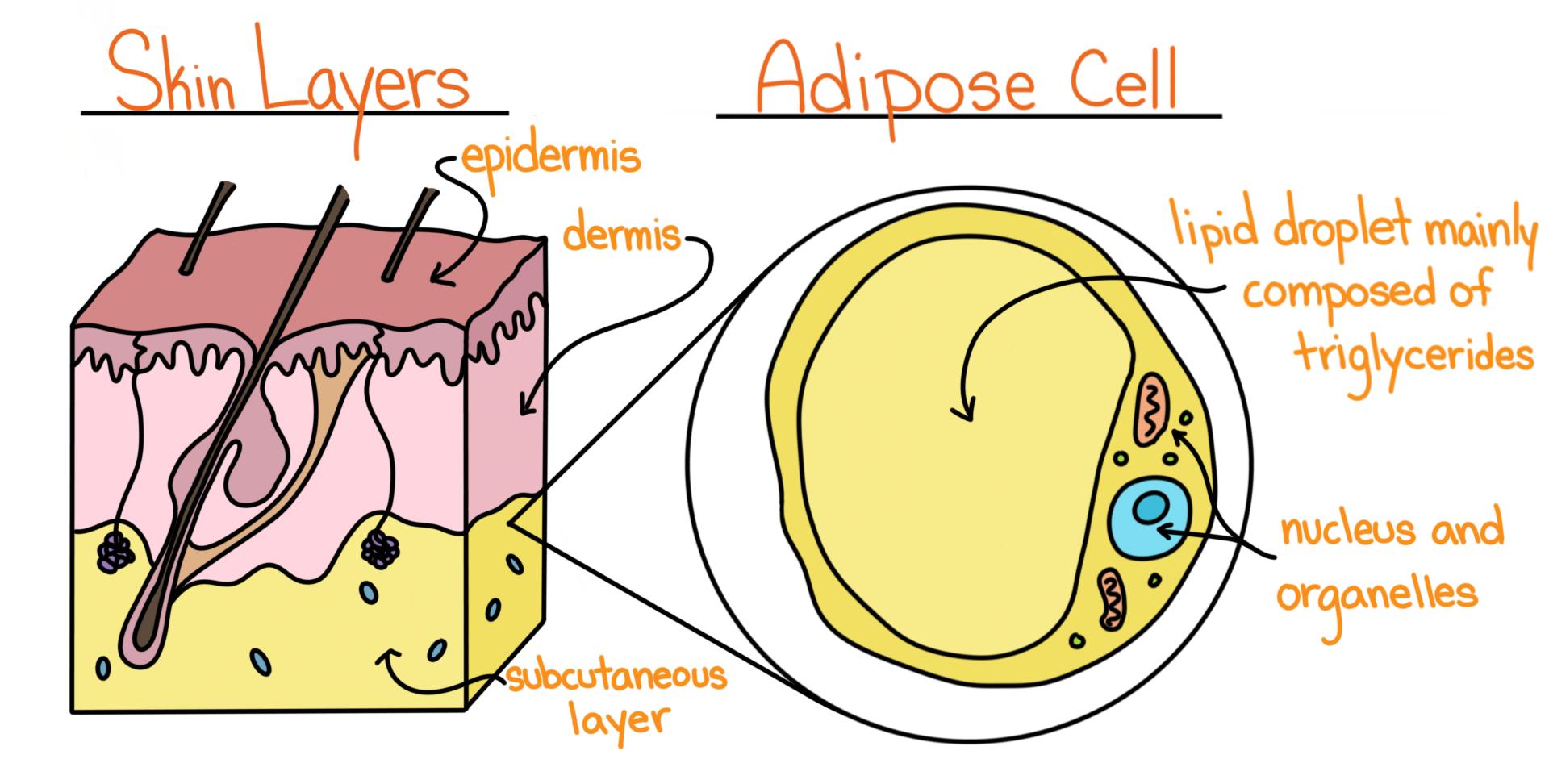
Image by: Gabi Slizewska
We often think of carbs as our main source of energy, but carbohydrates only serve a short-term purpose.
Our cells can store energy for longer periods of time in the form of lipids. Lipids are a good choice for this because they store more than twice as much energy as carbohydrates, at 9 calories per gram. Carbohydrates store only 4 calories per gram.
How does long-term storage work?
Carbohydrates, like glucose, can either be converted to ATP and used immediately or stored as glycogen in muscles. They are easily and quickly accessible. Carbohydrates can also be converted into lipids for longer storage.
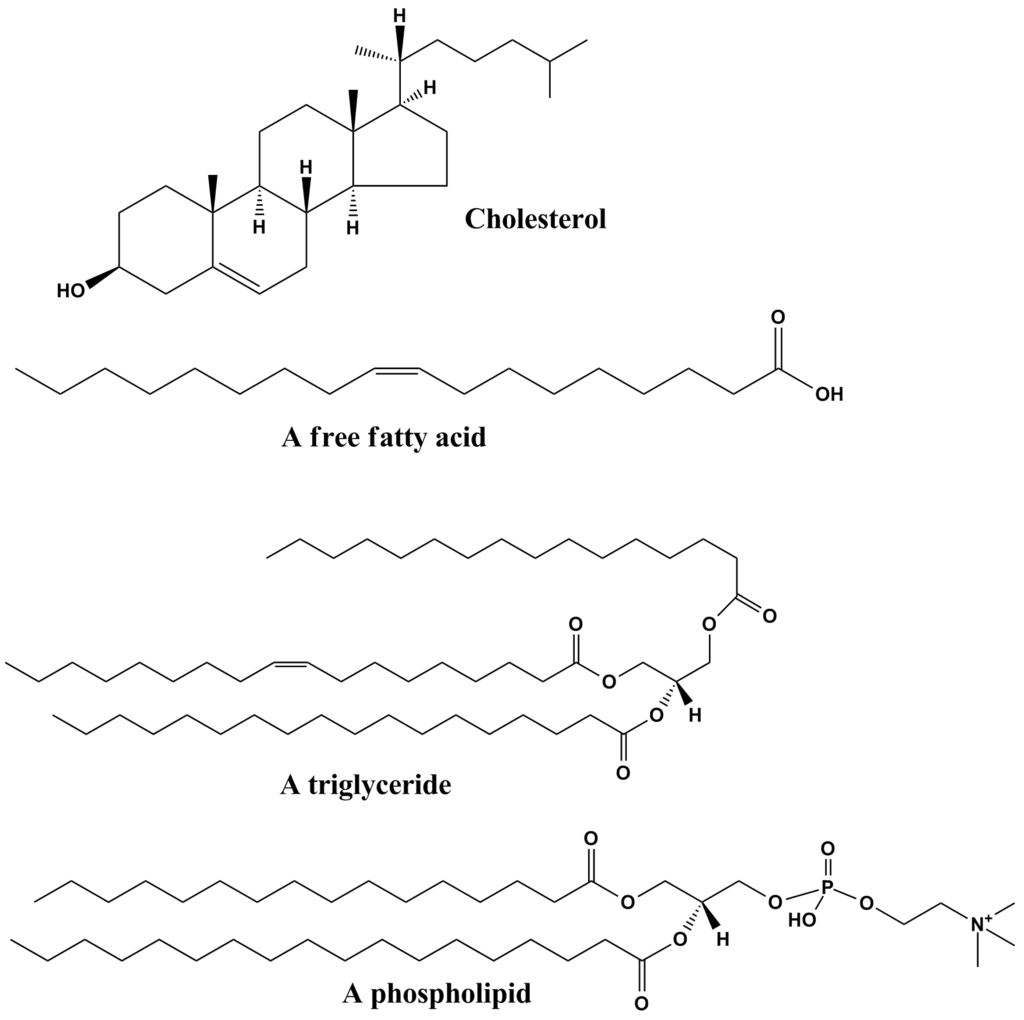
In animals, lipids can be stored in the form of triglycerides within specialized adipose cells. They aren't used for energy until the body starts to run low on, glucose. Lipids are more difficult to break down, which is why many people find it hard to lose body fat.