Illustrated · 2 min

+3 contributors



The Great Balancing Act
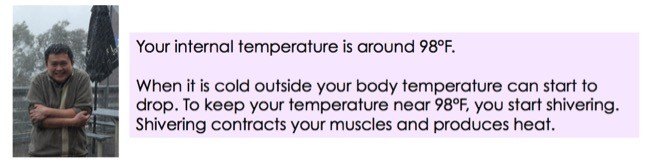
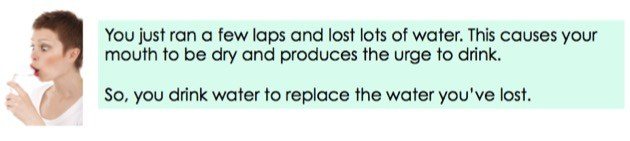
Homeostasis can be thought of as a state of balance. Every living thing has ways to maintain stable mechanisms and levels of different chemicals.
Some examples of homeostasis in the human body include temperature, pH, osmoregulation, and blood glucose regulation.
Why Is Homeostasis Such a Big Deal?
Let's think about it.
The pH within your body is closely monitored. That's because the enzymes and other molecules found in our bodies have very specific pH values at which they work best to carry out essential functions. However, different parts of the body need to have different pH values. As you can imagine, essential molecules in the bloodstream are much different than those in your stomach. In order to accommodate molecules like hemoglobin, your blood needs to have a slightly basic pH. If the pH changes even a tiny bit, hemoglobin will not be able to efficiently deliver oxygen to different parts of the body. On the other hand, your stomach needs to be super acidic to support digestive enzymes such as pepsin.

The digestive enzyme pepsin works best at the pH of stomach acid, about 1.5 to 3.5. The molecule hemoglobin binds to oxygen at the pH of blood, between 7.35 and 7.45.
Image source: By Gabi Slizewska
What Happens If Homeostasis Is out of Balance?
A great real-life example of why homeostasis is important involves blood glucose. In a healthy person, the amount of glucose in blood is tightly regulated. When you eat, glucose enters the blood stream. In response, the pancreas will release insulin. This chemical lets fat cells absorb extra glucose molecules and store them for later use. On the other hand, if you haven't eaten in a long time, your pancreas releases glucagon. This chemical releases glucose from fat cells so that it can be used as a source of energy by the body.

A diagram of how blood glucose homeostasis works. When you eat, glucose from food enters the bloodstream. The pancreas releases insulin which allows fat cells to absorb glucose out of the bloodstream. Over time, blood glucose will decrease and the pancreas will release glucagon. Glucagon causes fat cells to release glucose into the bloodstream. Eventually, you eat again and restart the cycle.
Image source: By Gabi Slizewska
You might already know that when there is an issue in blood glucose regulation, a person can develop diabetes. This disease can be very debilitating. When the concentration of glucose in blood is too high or too low, a person can develop blurred vision, nausea and vomiting, confusion, weakness, and many other serious symptoms. This is why controlling diabetes through medicine and diet is extremely important as a way to help the body maintain homeostasis.