
Illustrated · 1 min
By Sylvia Freeman

+2 contributors
Contributors



Image source: By Sylvia Freeman
Illustrated · 1 min
Image source: By Sylvia Freeman
Illustrated · 1 min
Mutualism is a beneficial species interaction. Both organisms in the relationship benefit from it. This usually happens because each organism wants something the other has, so they are able to trade.

Image source: By Sarah Morgan
In the example above, ants and aphids support each other. Ants can transport aphids to new plants to eat, bring them inside the anthill when it is too cold, and protect them from predators like ladybugs. Ants do this because aphid poop is basically a sugar paste called "honeydew". Ants take care of the aphids because they can then eat the aphids' waste.
Illustrated · 2 min
It is a relationship between two species where both of them benefit. This relationship can become so important to both species that they can't survive without the other. When this happens, it's called obligative mutualism. When both species benefit but aren't dependent on each other for survival, it's called facultative mutualism.
Let's take a look at pollination, which is how plants reproduce. Flowering plants create nectar to attract bees and other insects, which then get pollen on themselves. As they move from plant to plant, they spread and mix the pollens, which fertilize other plants. The insects act as plant pollinators in exchange for food.
Without the bees and bugs, the plants would have a hard time trying to reproduce. Without the flowers, the bees and bugs would be hard-pressed for food.

Image source: By hedera.baltica CC BY-SA 2.0, via flickr.com
My favorite example of a mutualistic relationship is between early humans and wolves. Keep in mind this began before we had agriculture, so we had dogs before we had farms.

Image source: By British Museum [Public domain], via Wikimedia Commons
The current theory about how we domesticated dogs is that humans fed wild wolves the scraps of their hunts. The wolves would hang out around the camps to wait for food. After a while, they began to act as guard dogs, alerting the humans when other animals would get too close. This bond became closer over time and lasted through the ages until today, where dogs are man's best friend.
Now that's a mutually beneficial relationship.
: A close, long-term relationship between two species
: How organisms compete for resources like food and water
: The relationship between a predator and its prey
: A relationship between two organisms that helps both of them
: A relationship where one organism benefits and nothing really happens to the other organism
: A relationship where one organism benefits and the other organism is harmed
Video
by Epic Wildlife
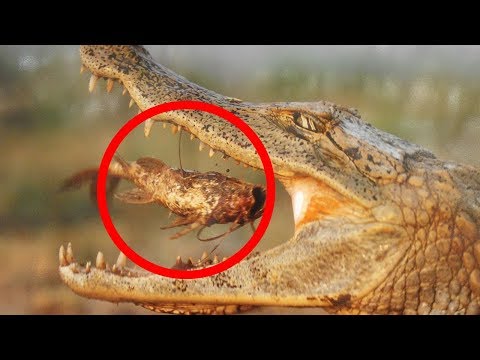
Mutualism is a type of relationship between organisms where both animals benefit.
In this video, you will see some great examples of how different species benefit each other. For instance, ox peckers eat ticks and offer a form of pest control for zebras. They also scream when predators approach. In exchange, they get a free ride and a meal from the organisms on the zebra.
Sea anemones and hermit crabs also work together to live. The sea anemones eat food off the crabs while warding off predators. In return, they get a place to stay and a source of nutrients.


