Protein Modification
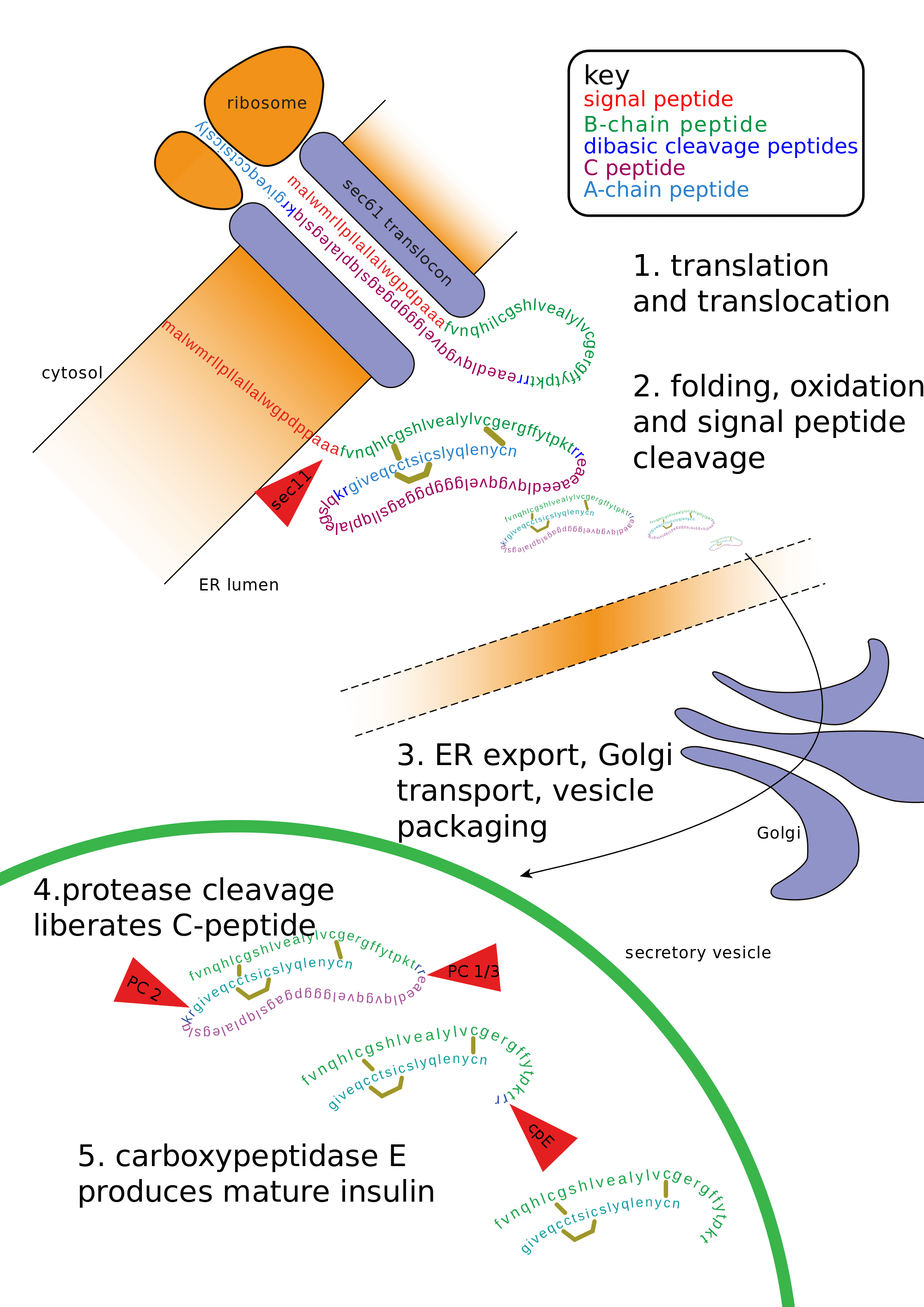
Protein modification is type of regulation within the cell in order to regulate how the protein functions and just how long the protein functions. Otherwise known as, Post-Translational Control, this type of regulation occurs after the ribosome has read through the mRNA molecule and formed all the right peptide bonds between the appropriate amino acids.
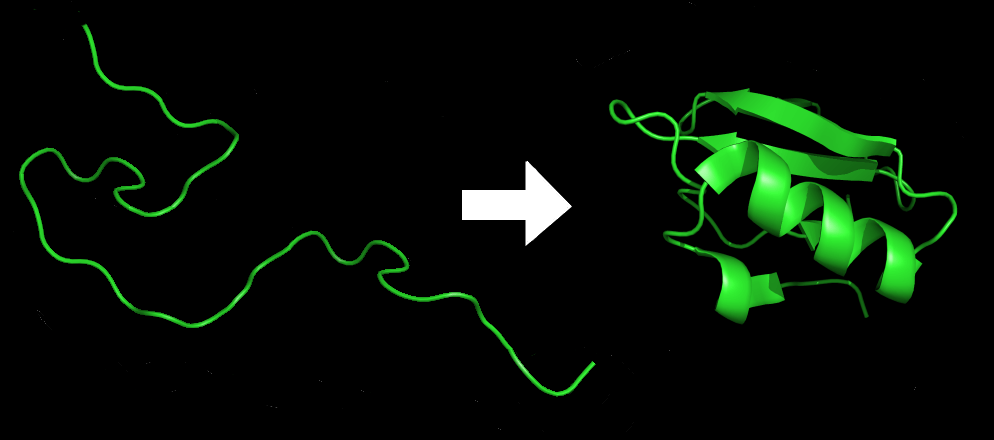
After the ribosome releases the polypeptide chain the R-Groups between the different amino acids like to interact, but occasionally these R-Groups need a little extra help to interact and become a fully functioning 3-Dimensional protein. One protein that is especially good at aiding in protein folding is one called a Chaperone. You can think of a chaperone as a barrel which is made to take in polypeptide chains. Once the polypeptide chain is inside the barrel the chaperone performs various functions in order to force the polypeptide chain to correctly fold into it's appropriate 3-Dimensional shape.
Another form of protein modification is through chemical additions to proteins, namely phosphorylation. Phosphorylation is when an ATP molecule adds a phosphate group to a protein. By adding this phosphate group the shape of the protein can change and either turn the protein on or turn it off.
There are various other forms of chemical additions that can be made to proteins in order to make a lot of different things. Some chemical additions can make the protein a target for degradation such as when ubiquitin is added. What type of change a chemical causes to protein function depends both on what chemical is being added and what protein it is being added to.