Interactive · 3 questions

+4 contributors




The Powerhouse of the Cell
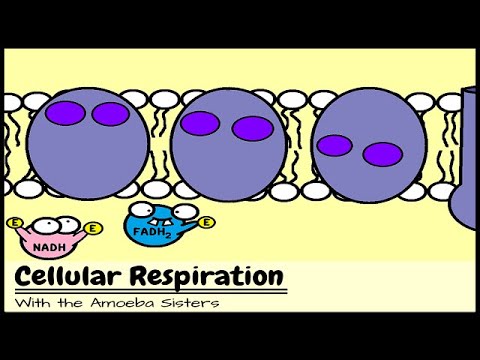
Mitochondria (singular: mitochondrion) convert chemical energy into energy that our cells can actually use. This process is called cellular respiration. The mitochondria use it to turn glucose and oxygen into a high-energy molecule called ATP. Adenosine triphosphate (ATP) is the money of the cell world. Well, if money was energy.
Say this out loud: "The mitochondrion is the powerhouse of the cell."
Now keep saying it. You'll never forget it.

Image source: By Blausen.com staff (2014). "Medical gallery of Blausen Medical 2014". WikiJournal of Medicine 1 (2). DOI:10.15347/wjm/2014.010. ISSN 2002-4436 CC BY 3.0, via Wikimedia Commons
The mitochondrion is the of the cell.
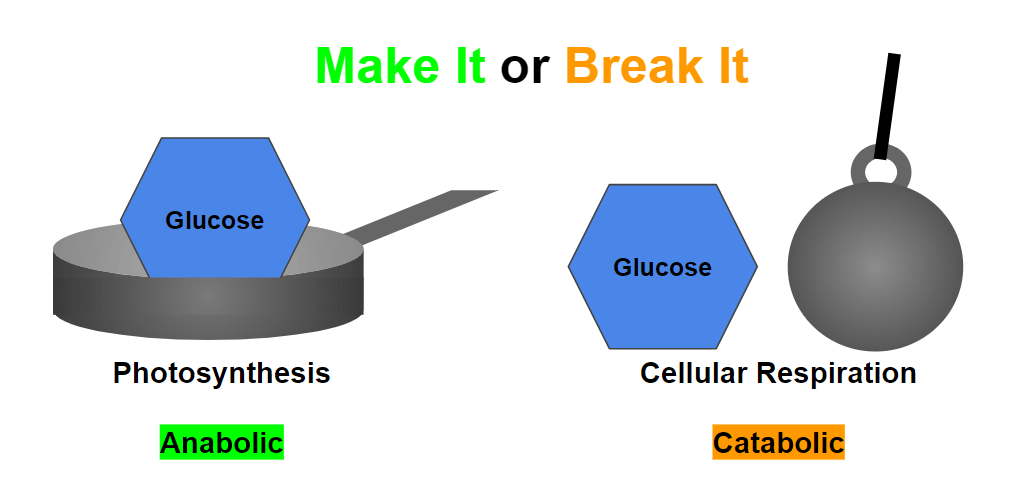
Image source: By Deena Hauze
Mitochondrion Structure
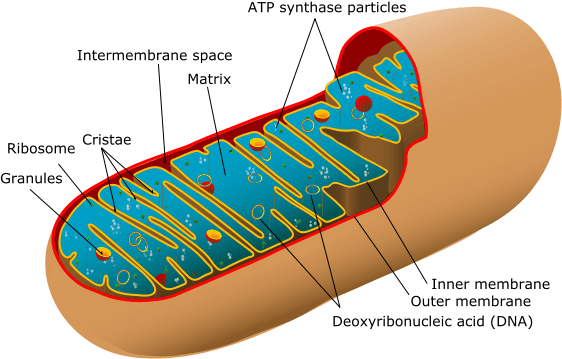
Mitochondria have the perfect shape for their functions. They resemble a grain of rice. They also have two mitochondrial membranes, known as the inner and the outer membranes, separated by an intermembrane space.
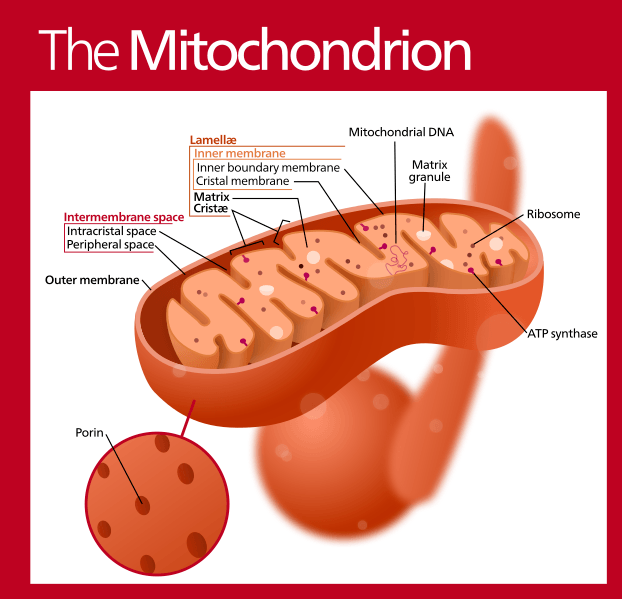
Image source: By Kelvinsong CC0, via Wikimedia Commons
The outer membrane encompasses the organelle like skin. It has small tunnels made of protein in it called porins, which only allow specific molecules to pass through.
The inner membrane is folded into layered structures called cristae that increase the surface area of the inside of the cell. The cristae also only allow specific molecules to pass through, but they are much more selective than the outer membrane.
The membrane is folded into structures called cristae.
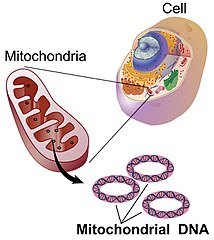
Image source: By National Human Genome Research Institute [Public domain], via Wikimedia Commons
Mitochondria possess their own circular DNA that is very similar to the DNA of prokaryotes. You got your mitochondrial DNA from your mother, and she got it from her mother. Mitochondria can reproduce and grow without any assistance because they contain their own DNA; they are self-replicating.
Which of the following structures could be found inside of a mitochondrion?
Select all correct answers.
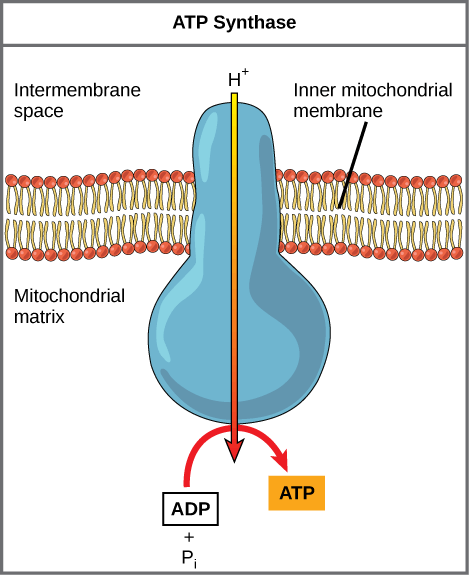
Image source: By CNX OpenStax CC BY 4.0, via Wikimedia Commons
ATP synthase is an enzyme that converts ADP to ATP by metabolizing sugars and other molecules. The ATP synthase particles are embedded in the inner membrane of the mitochondrion. This is where the large surface area of the cristae come into play: the greater the surface area, the more enzymes can be embedded in the membrane. The more enzymes embedded, the more energy can be produced by the mitochondrion.
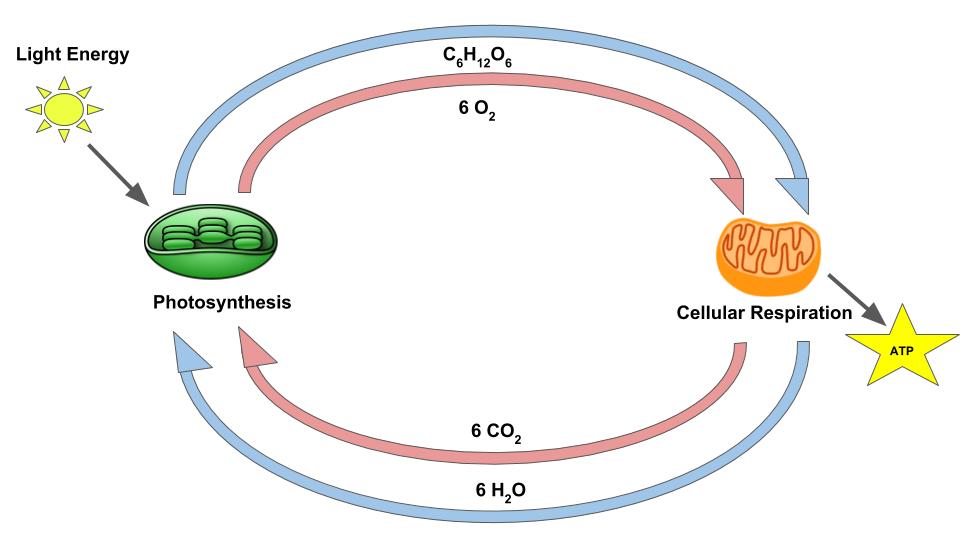
Image source: By Clker-Free-Vector-Images CC0, via pixabay.com Image source: By OpenClipart-Vectors CC0, via pixabay.com
: Organelles which create and store food for plant cells
: Make ATP during cellular respiration for energy