Illustrated · 2 min

What Is a Stimulus?

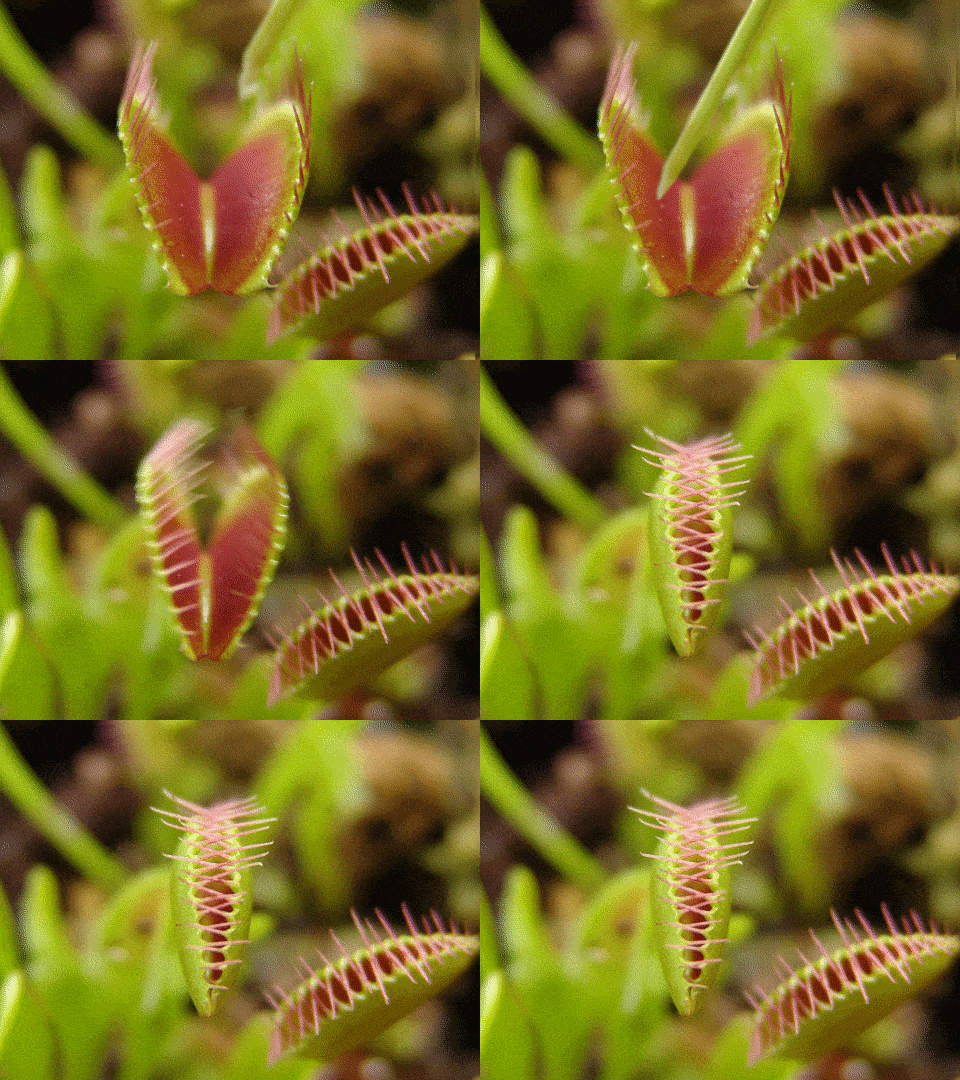
The image shows a Venus fly trap closing its leaf "mouth" due to a stimulus.

Image source: By Mnolf CC BY-SA 3.0, via Wikimedia Commons

For an organism to be considered alive, it has to have some level of response to a stimulus. Venus fly traps respond to touch by closing their leaf "mouths". That's because the stimulus tells them that there might be food, like an insect, that has landed in their mouth. The ability of the plant to respond to this stimulus is called irritability. Since the plant in the image above responded quickly, it has high irritability. However, if the plant was stimulated repeatedly and was low on energy, it might not react. This would mean it has low irritability.
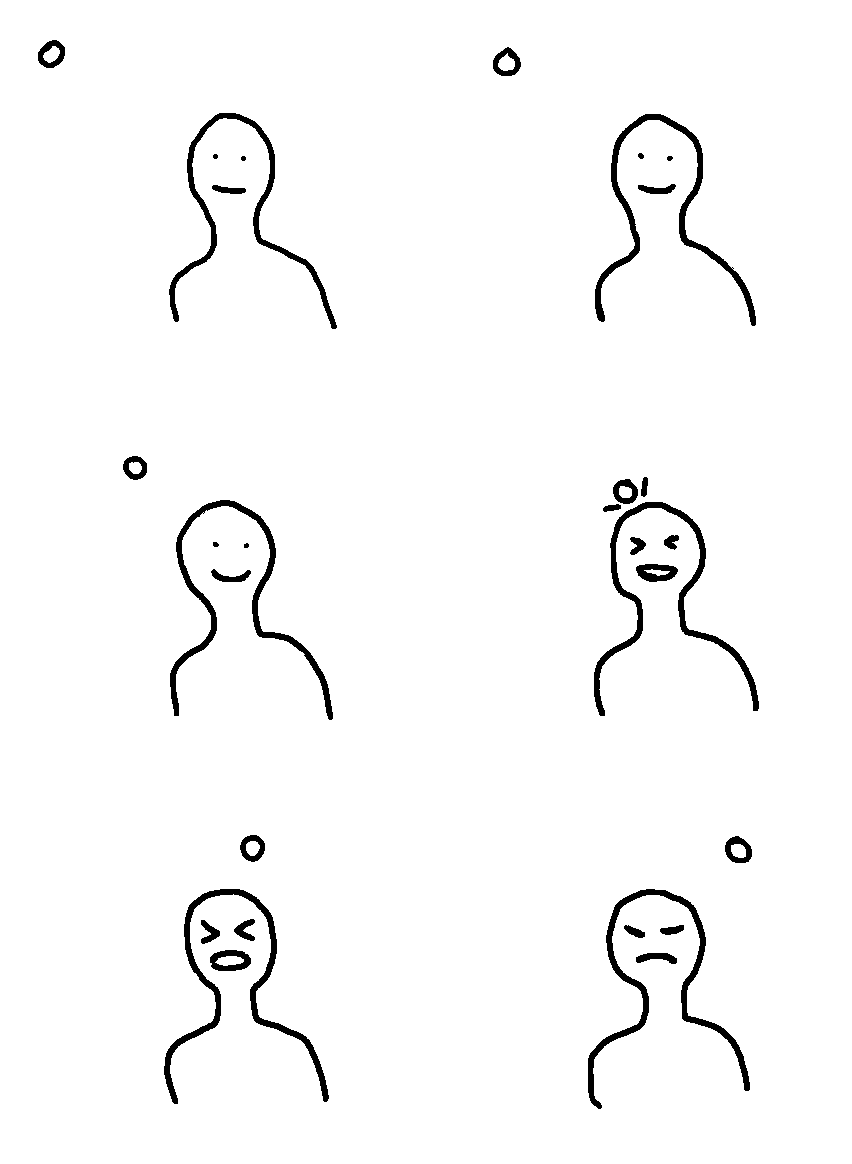
The image shows a person being hit in the head with a ball.

Image source: By Sarah Morgan

When a stimulus happens, it is interpreted by three components. The receptor is what first notices the stimulus happening. In this case, where a ball bounces off of someone's head, the skin would be the receptor. The receptor then sends a signal to the control center, which is the nervous system. The nervous system makes a decision and sends a signal to an effector. This would be the muscles in the person's body. The person cringes and closes their eyes in order to protect themselves from any more bouncy balls that might be coming their way.

The image shows a dog bundled up in a green and beige blanket.

Getting under fuzzy blankets is a good way to maintain homeostasis in cold conditions.

Image source: By Tony Alter CC BY 2.0, via Flickr

What Is Homeostasis?

Stimuli can be caused by thousands of different things and can cause a wide variety of reactions. If you are hungry, it means that your stomach sent a hormone signal known as ghrelin. This hormone can interact with other parts of the body, make your stomach growl, and make you crave certain foods.

This is actually an example of homeostasis. Homeostasis is a state of steady internal equilibrium. That means that the conditions inside your body do not like sudden or extreme change.

Your body needs a certain amount of energy to remain active. Reminding you to eat by feeling hungry allows the body to replenish its energy. Feeling tired before going to sleep is a similar way the body maintains its energy levels. Other examples of homeostasis include shivering when you feel too cold, or drinking water when you feel thirsty.
Illustrated · 1 min

Definition of Stimulus

One characteristic of living things is that they all respond to their environments. Anything that causes a living organism to react is called a stimulus. Stimuli can be both internal and external, and they range from heat and temperature to odor and sound. The ability of the organism to react to stimuli is called irritability (no, it doesn't just mean you're grumpy).

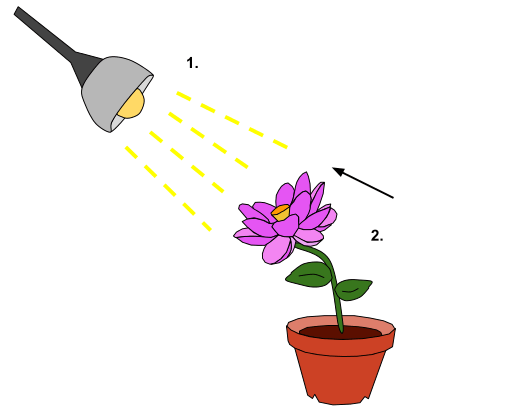
The image shows a pink flower growing in the direction of the light from a lamp.

Image source: By Mtomanelli15 CC BY-SA 4.0, via Wikimedia Commons

Living things respond to stimuli and adjust themselves to maintain balance. This balance is called homeostasis. For example, when the sun gets too bright, your pupils get smaller. When it is hot outside, you start sweating to cool yourself down. Your body takes in information to keep you safe. For example, if you hear a loud crash at night, you are suddenly woken up and your heart starts beating faster, pumping more blood to your brain. This wakes up your brain and makes sure you are alert. Cool, huh?

Illustrated · 1 min

Responding to a Stimulus

All organisms must be able to detect and respond to some form of external stimulus. All organisms must also be able to move in some way.

Some organisms do not appear to move or react to stimuli, but internal movement does count.

For example, plants don't appear to move, but many will alter their cell structure to grow in a particular direction in order to receive the most sunlight (the stimulus) possible.

A flowers growing in response to a stimulus (sunlight)

Plants will grow in the direction that they get the most sunlight from.

By Mtomanelli15 CC BY-SA 4.0, via Wikimedia Commons

Video

(Video) The Makahiya (Shy) Plant

by sheeno818

You might not believe it, but plants react to the environment too. A super cool example is the so-called "shy" plant that reacts to touch. Watch the video above to see the shameplant, or Mimosa pudica, fold up when touched.

Type a concept, like “slope” or “photosynthesis”.

↑ ↓ to choose · Enter to openSearch explanations and problems