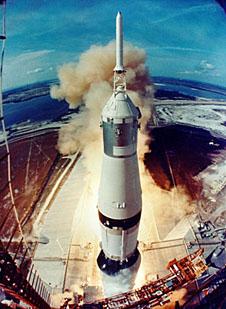
Rocket Anatomy with Functions
These are basic components involved in rockets. Knowing them means you understand rocket launches (and failures as well) more than just an average SpaceX or NASA fan.
Structure:
Provides support structure for all the components,protects the inner workings of the vehicle, contains fairings and interfaces for sub- systems and stages, and houses moving components.
Propulsion: Contains the fuel, oxidizer, flowsystems, combustion chamber, nozzles, and other components needed to propel the rocket.
Power: This subsystem contains power storage,conditions that power for use, and distributes it accordingly.
Guidance, Navigation, and Control(GN&C): Contains attitude control system (ACS), reaction control systems (RCS), which might include thrust vector controls (TVC) and control surfaces(such as fins or wings), navigational sensors, such as inertial navigation units (INUs) and star trackers.
Payload: This is the reason for the rocket and contains the science instruments, cargo, or crew. The essential component of all important space launch vehicles.
Command and Data Handling (C&DH): Command computers,data processors, data storage systems, and the data distribution protocols and infrastructure.
Communication: Radios, low and high gain antennas, and telemetry systems.
Reentry Systems: These are for rockets that must safely return a payload to Earth and contain special braking systems, such as the orbital maneuvering system (OMS) thrusters (Space Shuttle), and reentry thermal protection, such as the shuttle tiles or the ceramic shields (Apollo capsules).
Emergency Systems: These systems are for use in fault condition situations and include sensors for leak, fire, and damage detection, backup systems, and abort systems.
Landing Systems: Vehicles that return have some means of landing the payload safely on Earth, which could include parachutes, wings, airbags, or even rockets.
You just became an Amateur Rocket Anatomist!