
Illustrated · 1 min
By Sylvia Freeman

+1 contributors
Contributors


Image source: By Sylvia Freeman
Illustrated · 1 min
Image source: By Sylvia Freeman
Interactive · 2 questions
An inference is a logical conclusion based on previous experiences, observations, and knowledge. It is an educated guess. Inferences can lead us to a hypothesis.

Image source: By Salina Tran CC0, via pexels.com
What inference can be made from the picture above?
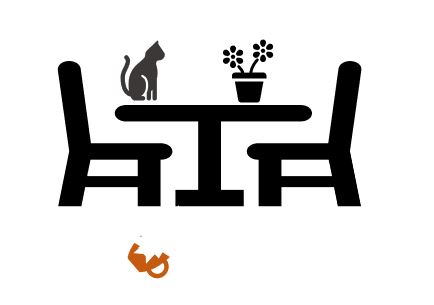
Image source: By Deena Hauze
Inference: You come home to find your favorite cup broken. It was pushed off of the kitchen table. Who did it?
Read · 1 min
Similar to a hypothesis, an inference is an informed guess about science or scientific relationships. Inferences are based on real, observed evidence but are still just guesses about the true relationship that exists.
Here's a simple example. If you see your friend wearing a team's baseball jersey, an inference would be that they are a fan of that team.
When you infer something, you make a guess based on what you notice. Let's go back to that example of your friend wearing a sports jersey. How did we decide that your friend is a fan of that baseball team? Well, we wouldn't have been able to come to that conclusion unless:
Based on what we observed, we were able to make a decent guess that they are a fan of that team.
A hypothesis is an educated guess about what will happen in a situation. It is based on what you see, hear, feel, smell, or taste. It does sound a lot like an inference, but there is a slight difference.
An inference is a conclusion based on what you observe.
A hypothesis is a prediction about something that hasn't happened yet.
Video
by Teacher's Pet

How are observations and inferences related? This video explains how inferences are made and changed based on observations.
Sometimes you might think you're making an observation when you're really making an inference. To infer means to use past knowledge or opinions to come up with a conclusion. For example, an observation might be that a tire is flat or has rust on it. An inference is that the tire is very old or it cannot be fixed. When you infer something, make sure your observations can support it. If they can't, don't be afraid to come up with a new inference.



