Read · 1 min
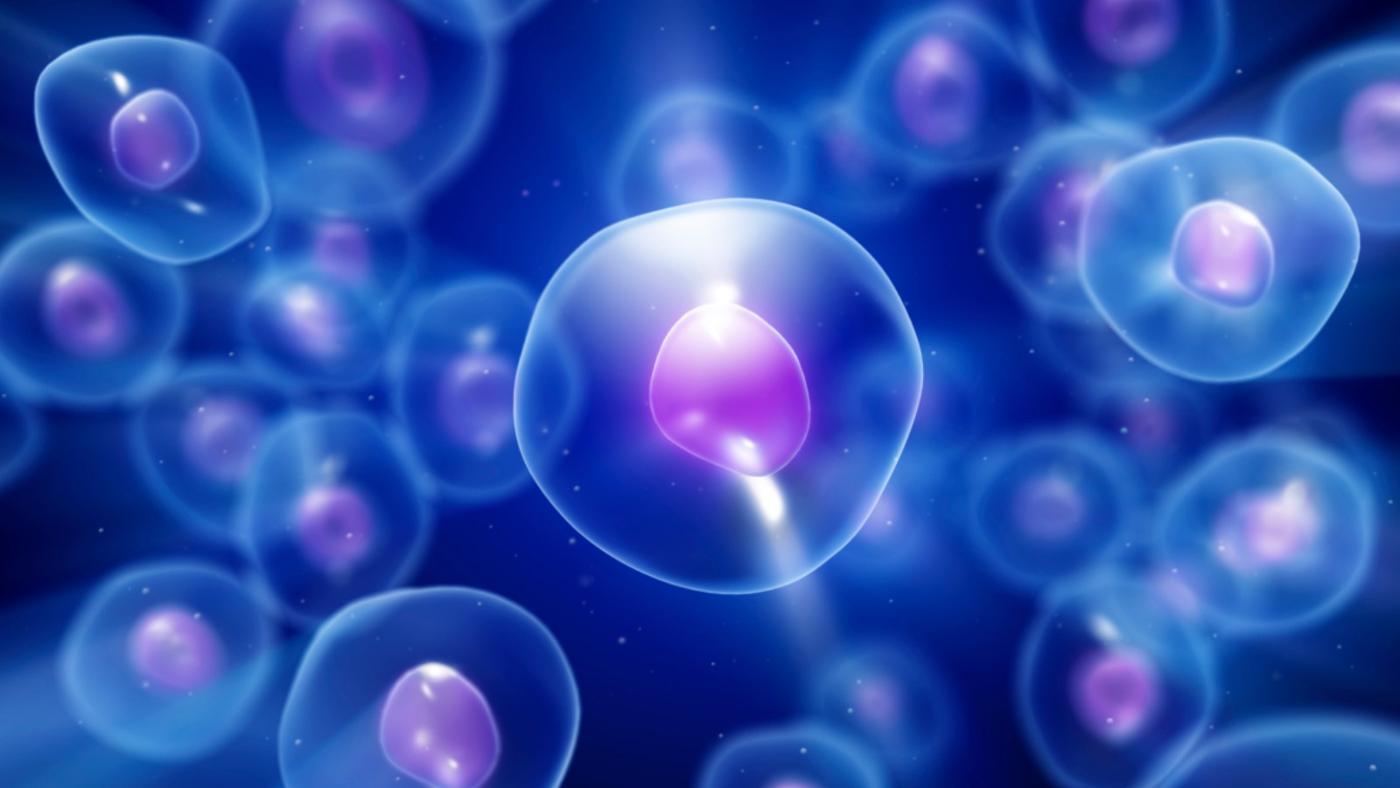
A cell is considered the basic building block of all living things. Cells consist of cytoplasm enclosed within a membrane, which contains many biomolecules such as proteins and nucleic acids. Generally, the components of a cell are called organelles.
Organisms can be classified as unicellular (consisting of a single cell; including bacteria) or multicellular (including plants and animals). While the number of cells in plants and animals varies from species to species, humans contain more than 10 trillion cells.
Cells can be either prokaryotic or eukarayortic, each having different properties. Cells have dimensions between 1 and 100 micrometers.
Robert Hooke was the first individual to discover the cell in 1665. Cell theory was first developed by Theodor Schwannnouty and Matthias Jakob Schleiden in 1838. Since then it has been expanded to include the following seven conclusions about cells:
-
All known living things are made up of one or more cells
-
All living cells arise from pre-existing cells by division.
-
The cell is the fundamental unit of structure and function in all living organisms.
-
The activity of an organism depends on the total activity of independent cell.
-
Energy flow (metabolism and biochemistry) occurs within cells.
-
Cells contain DNA which is found specifically in the chromosome and RNA found in the cell nucleus and cytoplasm.
-
All cells are basically the same in chemical composition in organisms of similar species.