Read · 1 min

tRNA also known as transfer RNA, is essential to protein synthesis. tRNA is signalled and attaches at the A(acceptor) spot on the ribosome with an amino acid bound onto the tRNA. The ribososme attaches to the mRNA which contains the "message" of nucleotides grouped into 3's called codons. Each tRNA with a corresponding amino acid matches up with the codons. Thus, the tRNA's contain anticodons which are used to form a polypeptide chain. Once the tRNA attaches to the A spot, it slides over onto the P(peptidyl) spot and the next tRNA attaches on the A spot. The original tRNA passes it's chain of amino acids onto the A spot tRNA and then slides over to the E spot which allows it to "exit" from the ribosome. This process continues until the mRNA contains the stop amino acid signalling the last tRNA to attach a final amino acid.
Read · 1 min

Ribosomes can either be free or bound. Free ribosomes float around in the cytoplasm, whereas bound ribosomes are attached to the ER(endoplasmic reticulum). Regardless, ribosomes are essential to making proteins. Each ribosomes is made up of a large subunit and small subunit. The mRNA contains numerous codons which run through the small subunit(located on the bottom of the ribosome). The tRNA attaches onto the large ribosomal subunit(read tRNA to understand this process). Several ribosomes may attach to the same mRNA strand to continuously copy the mRNA and make the same protein several times over.

Video

rRNA

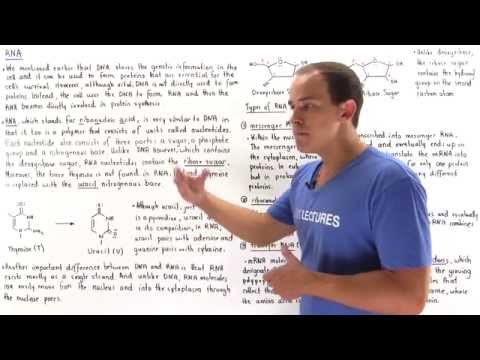
Ribosomal RNA (rRNA) is found in the nucleolus of the nucleus. rRNA travels to the cytoplasm of the cell. In the cytoplasm, rRNA combines with proteins to form ribosomes.

References

Type a concept, like “slope” or “photosynthesis”.

↑ ↓ to choose · Enter to openSearch explanations and problems