Illustrated · 1 min

+2 contributors


Spontaneous Forces
Van der Waals force is an intermolecular force that exists between all molecules, regardless of if they are polar or nonpolar. They are weak compared to the other intermolecular forces and act on neutral atoms and molecules. Basically, they are the attractive forces that hold molecules near each other.
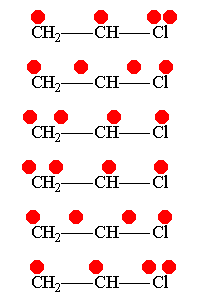
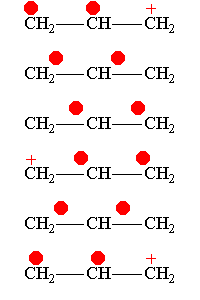
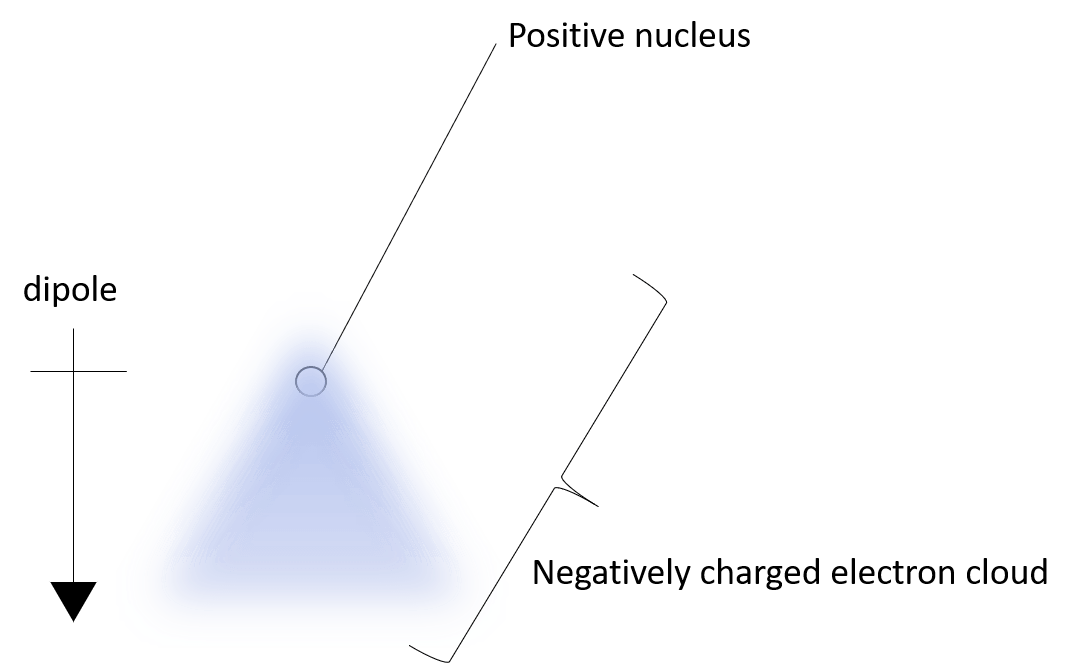
Electrons are shared between the atoms in a molecule, but sometimes they spontaneously align in such a way to create partial charges, also known as temporary dipoles, on the molecule.
Van der Waals forces are caused by polarization of molecules near each other. This means that when molecules are near each other, a small positive and negative charge will form on each molecule. In other words, it causes a dipole to appear, kind of like the dipoles in polar bonds.
The key to these forces is that they happen spontaneously. So at any moment, regardless of the types of molecules, dipoles can appear and disappear.

Van der Waals forces help geckos stick to surfaces.
Image source: By Matteo Gabaglio CC BY-SA 3.0, via Wikimedia Commons
These forces are the glue that holds molecules near each other.
: Partial positive and negative charges caused by some atoms wanting electrons more than other atoms in a molecule. Polar molecules have permanent dipole-dipole interactions
: A bond formed when two atoms share an electron pair
: A bond formed when one atom gives up one or more electrons from a different atom
: Positively charged hydrogens of one molecule are attracted to the negative charge on another molecule
: A way to measure the tendency of an atom to attract pairs of electrons
: A relatively weak intermolecular force that holds molecules together