Interactive · 4 questions
Enzymes
Enzymes are macromolecules that help to speed up reactions. Although most enzymes are proteins, there are several exceptions (such as ribozymes). There are thousands and thousands of different enzymes, but luckily for us, most enzyme names end in "-ase," such as lactase, sucrase, and peroxidase.
Try and identify the enzymes!
The Role of Enzymes
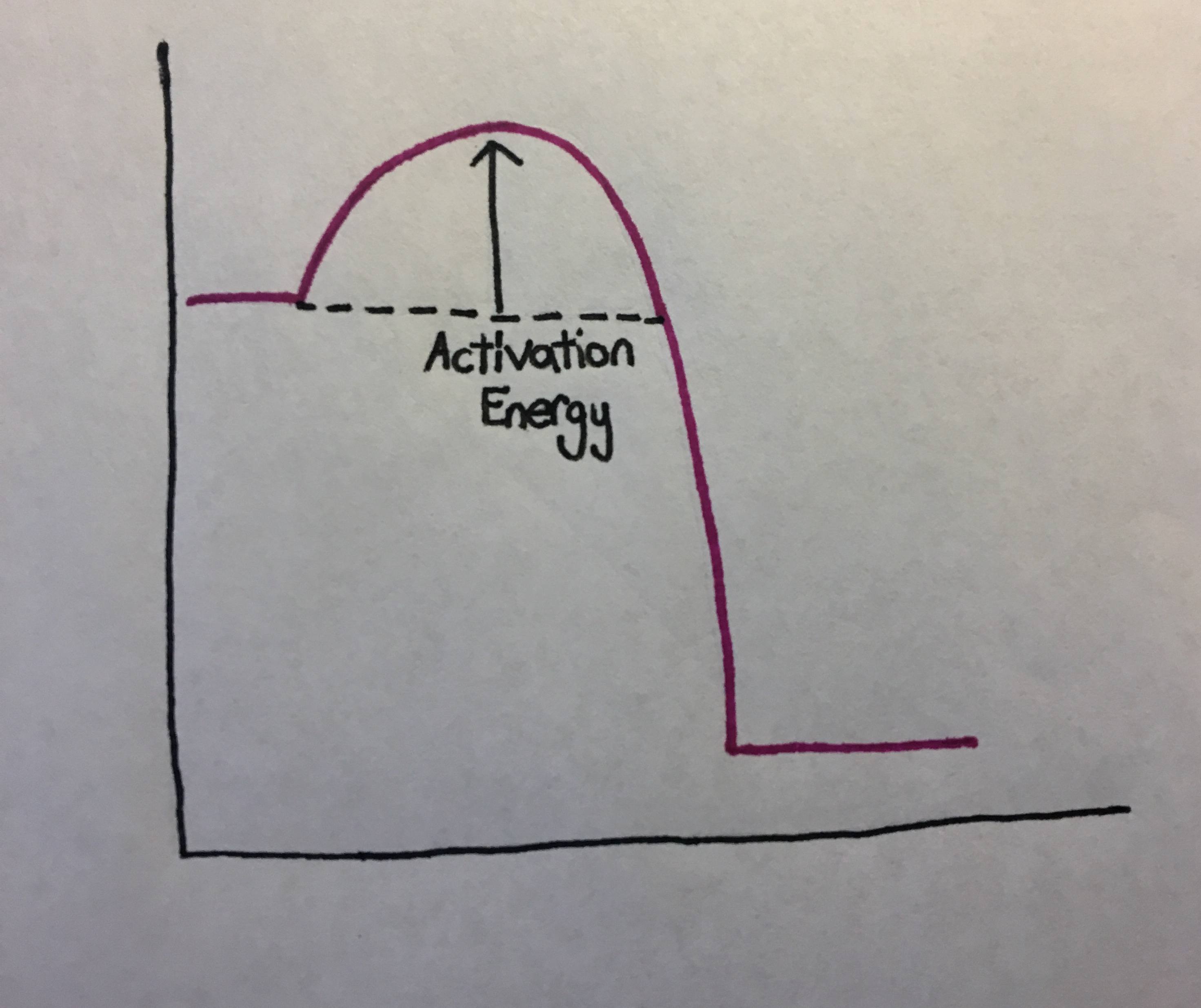
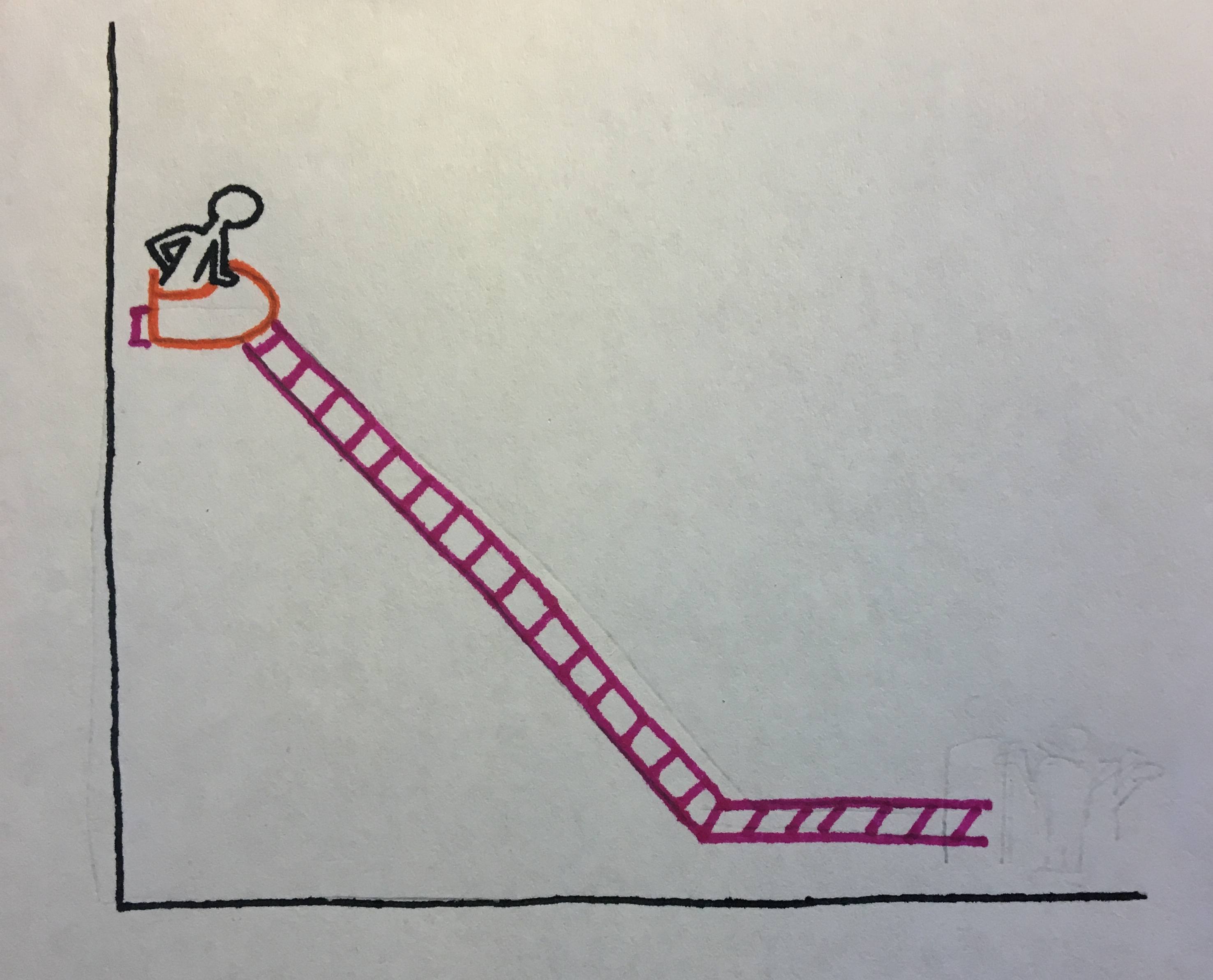
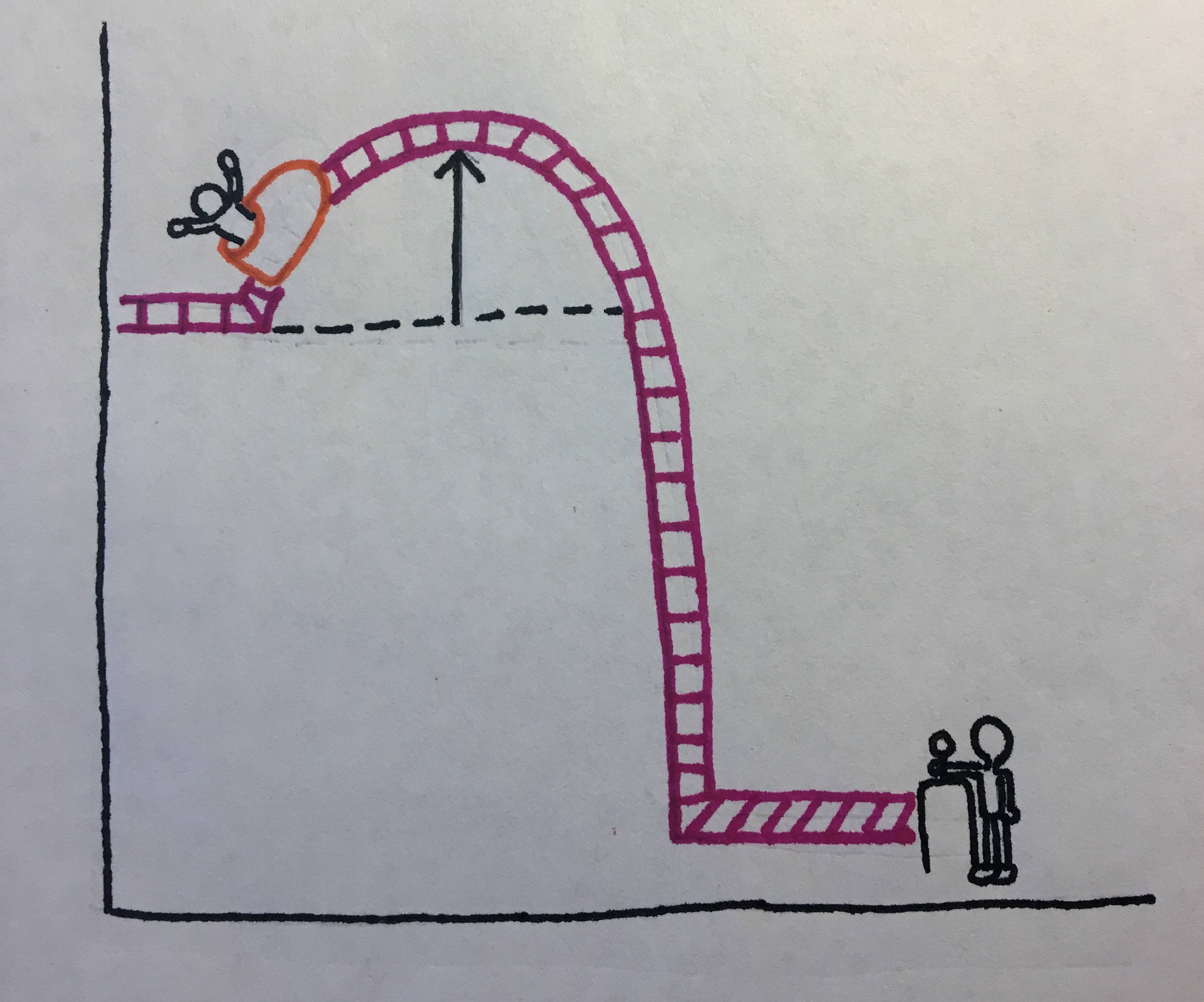
Enzymes act as catalysts, which speed up reactions without being consumed in the process. That's right—enzymes can do the same thing over and over again without being used up! Catalysts work by lowering the activation energy of a reaction, or the minimum energy needed for a reaction to proceed.
Which of the following are true?
Enzymes and Substrates
Enzymes have specificity, meaning that they can't just speed up any reaction. They can only speed up certain reactions where the reactants can bind to the enzyme.
The reactant is known as the substrate and when the enzyme binds to the substrate(s), an enzyme-substrate complex is formed.
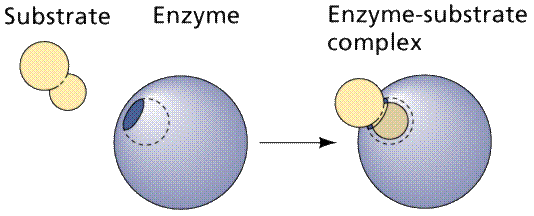
What is a substrate?
The substrates bind to the enzyme's active site, typically a pocket or groove on the enzyme's surface, causing the enzyme to alter its shape slightly to fit more snugly around the substrate. Other substrates cannot "fit" into this active site, allowing the enzyme to be specific only when the substrate is present.
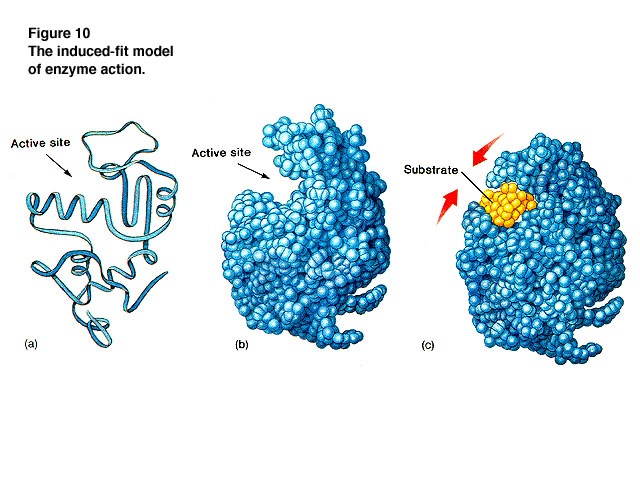
How Enzymes Work
Enzymes act as catalysts, but how do they speed up reactions?
There are actually several ways:
(1) If there are multiple substrates, the enzyme provides a way for the substrates to be close to each other and in the proper orientation
(2) Since the enzyme is tightly gripping the substrate, it could stretch the bonds that hold the substrate molecules together, stressing, or even breaking, bonds that need to be broken for the reaction to occur
(3) The enzyme may provide a different microenvironment favorable to the reaction (i.e. a different pH)
** (4)** Sometimes, the enzymes' amino acids may briefly bond with the substrate and partake in the reaction
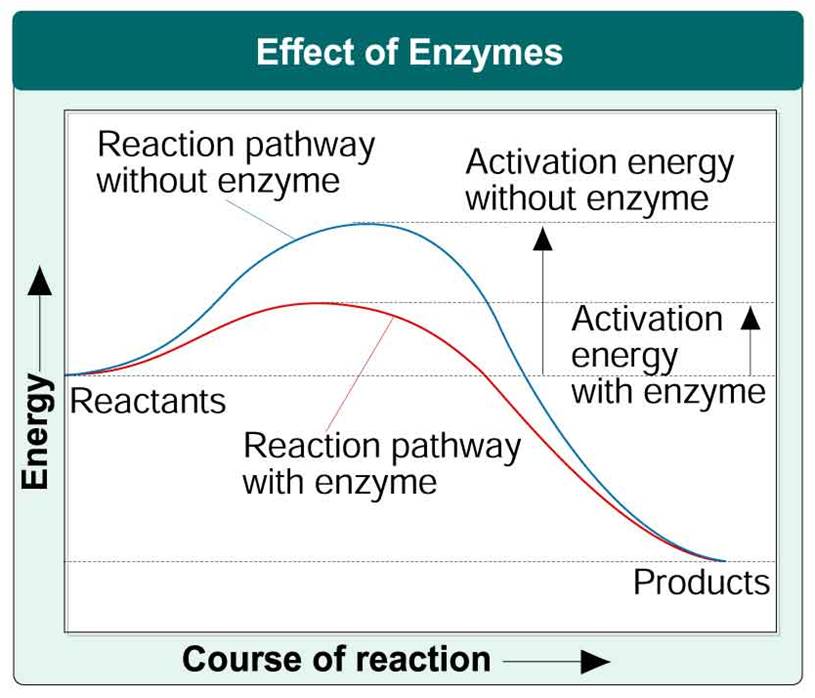
Remember, enzymes act by lowering the activation energy, NOT by putting in any extra energy. Image credit: http://coachhbio.blogspot.com/.
Enzymatic Activity
Enzyme activity, as you might be able to guess, depends a lot on the environment that the enzyme-substrate complex is in. The two main factors that affect enzymatic activity are pH and temperature.
Which of the following do you think are true? It's okay if you don't know, but try to guess based on your previous knowledge.
Generally, increasing the temperature will increase the enzymatic activity. However, after a certain point, the temperature will be so hot that it disrupts the enzyme's actual structure, causing the enzyme to denature, or lose its shape (and thus its function).
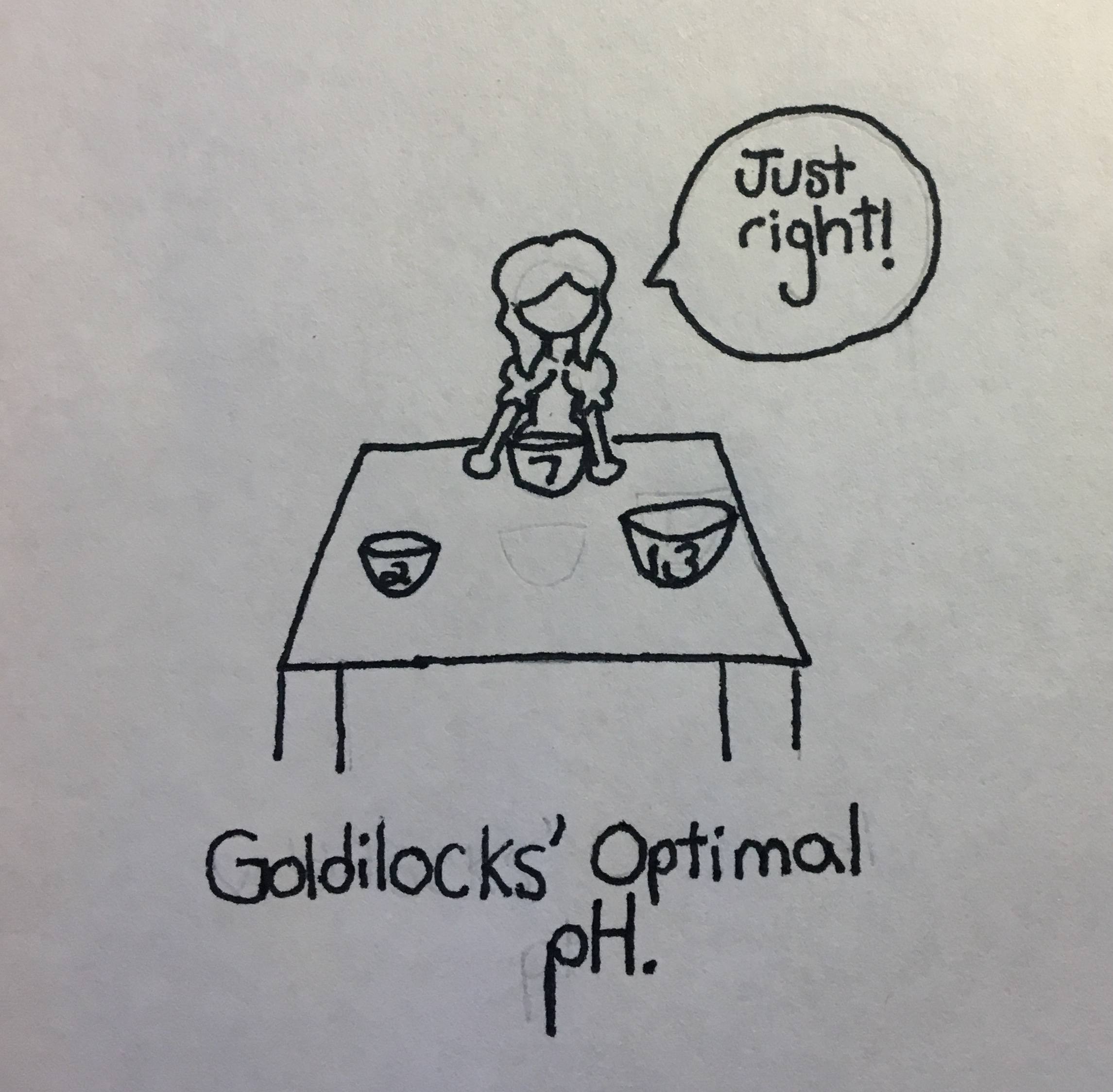
In addition, the optimal pH for enzymes is typically between 6 and 8. Again, too low or too high of a pH will cause the enzyme to denature.
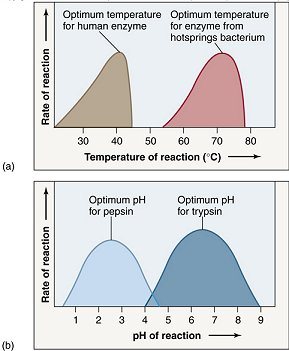
Note that human body temperature is around 37 degrees Celsius, and that pepsin is found in the stomach of humans. Image credit: http://yellowtang.org/images/enzymes_sensitive_c_la_784.jpg
However, there are exceptions to these rules if you look at the graphs of optimal pH/temperature enzymatic activity above.
Say, for example, the enzyme pepsin in your stomach works in stomach acid, which has a pH of approximately 2. Or take the enzymes in thermophilic (heat-loving) bacteria, which are often able to work at temperatures of 70 degrees Celsius or higher!