Illustrated · 1 min

+3 contributors



What's Genetic Engineering?
It's the process of altering a small piece of the DNA of an organism. This is done with recombinant DNA technology, where a new piece of DNA is inserted into the genome. The organisms produced through this method are known as GMOs. They're also called genetically modified organisms. The diagram below illustrates the role of engineering in plant breeding.

Image source: By The U.S. Food and Drug Administration [Public domain], via flickr.com
Applications of Genetic Engineering
Plant breeding is the most common form of genetic modification today. Most of our crops have undergone some form of engineering. The modifications that have been made are diverse. Some plants are insect-resistant, some are herbicide-resistant, and others are just altered to grow larger and faster than they would normally. There are benefits to genetically modified food, but many people are still against the idea because the side effects are relatively unknown.
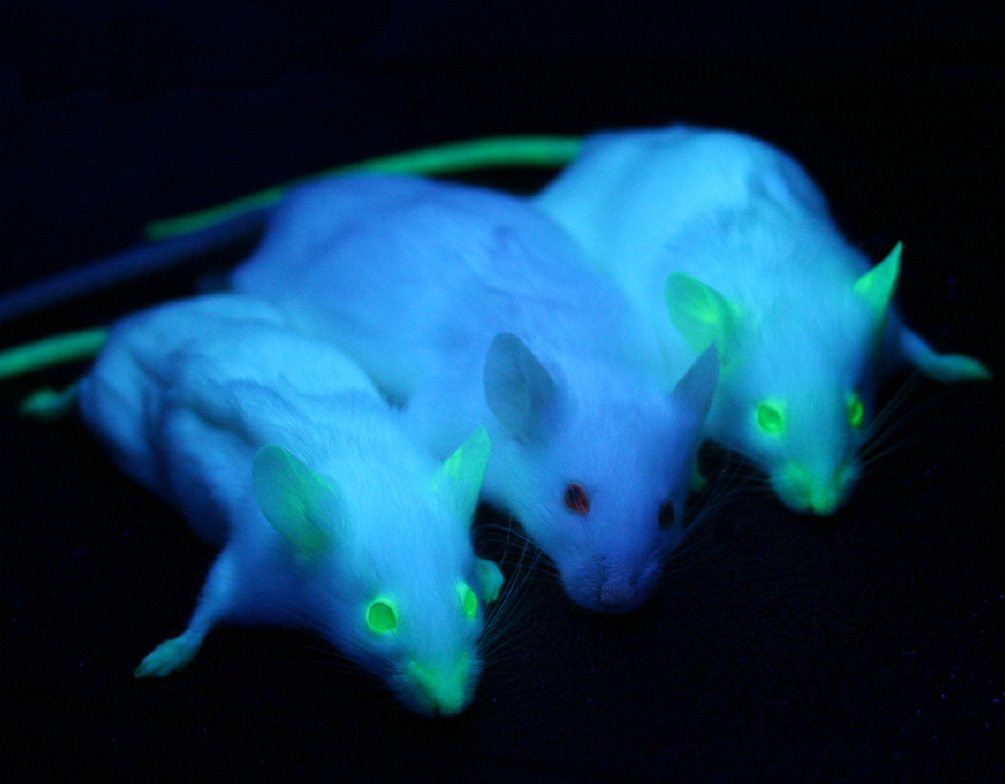
There are many other applications of this technology as well. Animals are commonly modified to further improve our food supply. Many researchers are also looking for ways to use engineering methods in medicine, such as by altering the human genome with gene therapy. The goal would be to treat diseases caused by small mutations in a person's DNA. One of the first applications of genetic engineering in medicine happened when scientists experimented with the gene for human insulin to provide treatments for people with diabetes. The organisms they used in the experiments were actually genetically modified bacteria. Those experiments allowed scientists to create a much larger supply of insulin for people who need it.