Interactive · 6 questions
+3 contributors



What Is a Lipid?
You may be familiar with lipids because they are what create fats, oils, and the foods that are not nutritious but taste delicious. However, lipids are an important structural molecule in many parts of the body. For example, millions of lipids are used to construct the phospholipid bilayer that surrounds every cell, as well as the structure of organelles like the Golgi body or the mitochondria. Lipids can also be used to create important hormones and steroids that the body uses to communicate from cell to cell or from organ to organ.
What Are the Properties of a Lipid?
Lipids are nonpolar and insoluble in water. This is because their structure does not have a more electronegative or electropositive end. Water, however, is polar in comparison. When lipids mix with water, the lipids will closely associate and clump up instead of dissolving evenly into the water.

Image source: By A_Different_Perspective CC0, via pixabay.com
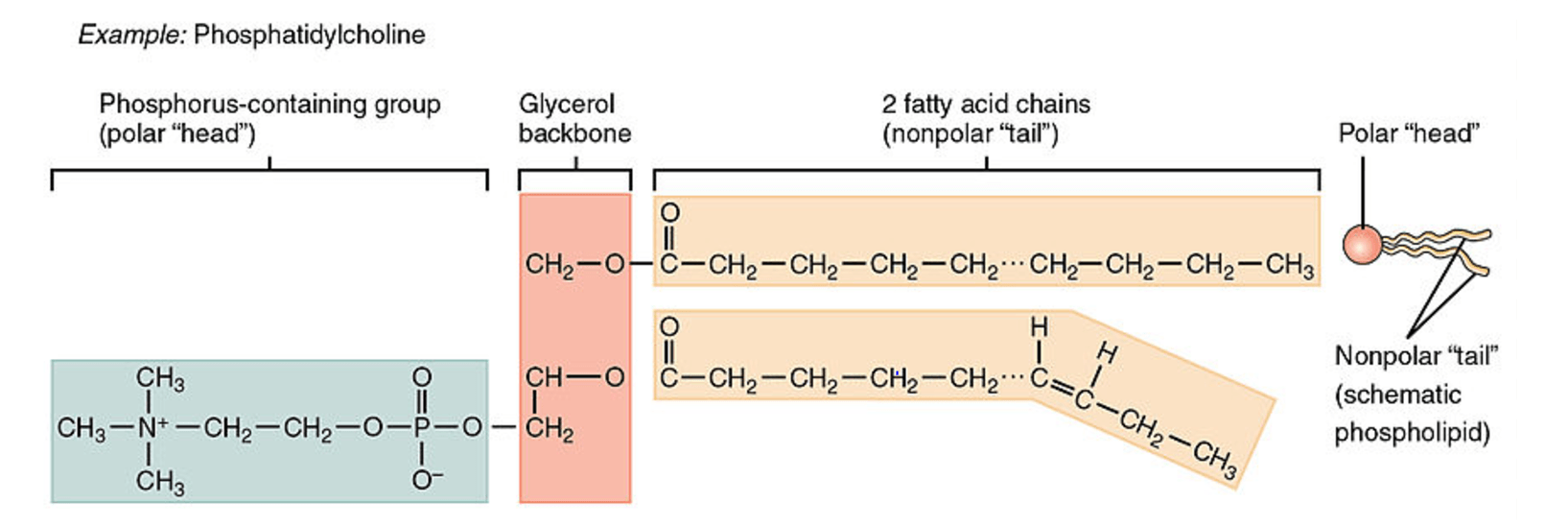
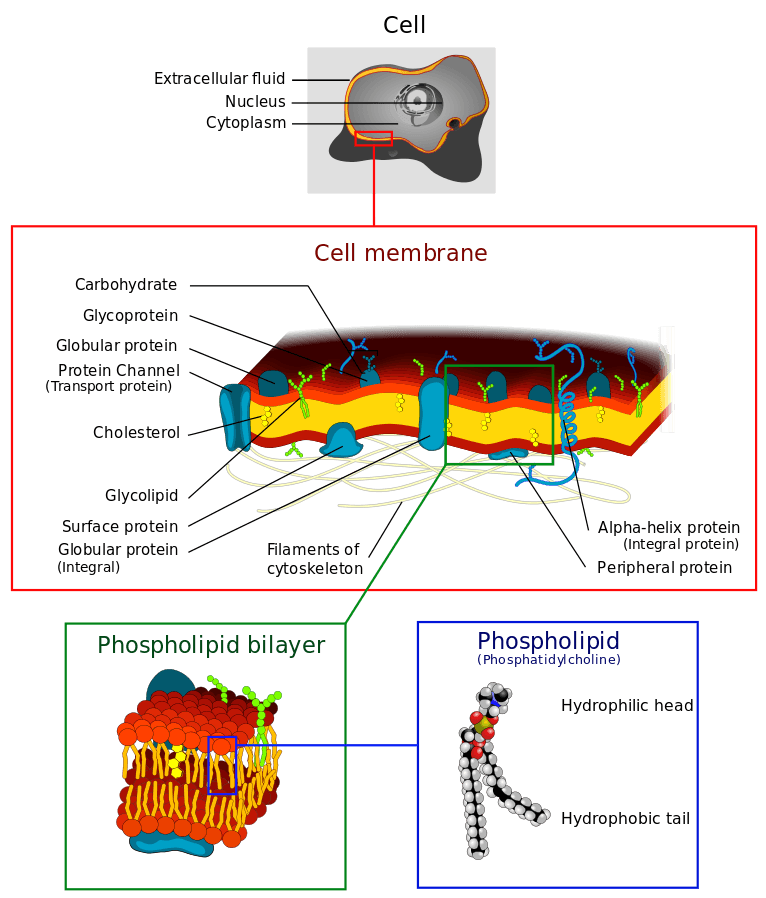
Some lipids have additional parts, such as phosphates, that make them amphipathic. This means that they will have a hydrophilic end, such as the phosphate, and a hydrophobic end, such as the lipid's carbon chain. This is how cell membranes form. The hydrophobic lipid carbon chains meet up in the center of the membrane, creating the double layer of phosphates. The hydrophilic phosphates are on the outside of the membrane, surrounded by the water that is both inside and outside of the cell.
Are lipids generally polar or nonpolar?
What makes a molecule amphipathic?
What Types of Lipids Are There? What Are Lipids Made Of?
Fatty Acid
Fatty acids are the basic units of more complex lipids. Fatty acids are made of a hydrocarbon chain attached to a carboxylic acid group. Because of this, fatty acids are somewhat polar at the carboxylic acid end and nonpolar at the hydrocarbon chain end. Fatty acids always have an even number of carbons.
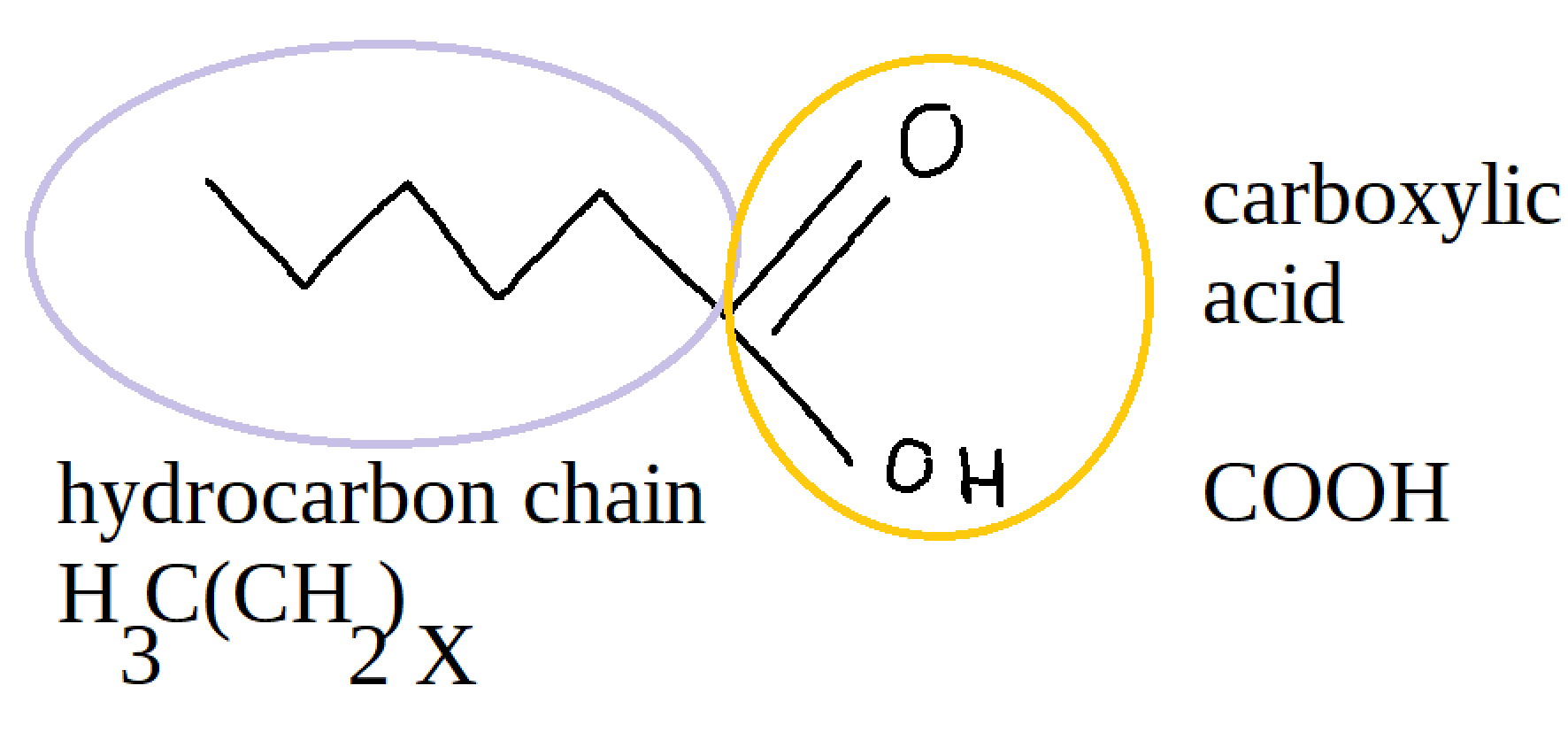
The generic structure of a fatty acid
Image source: By Sarah Morgan
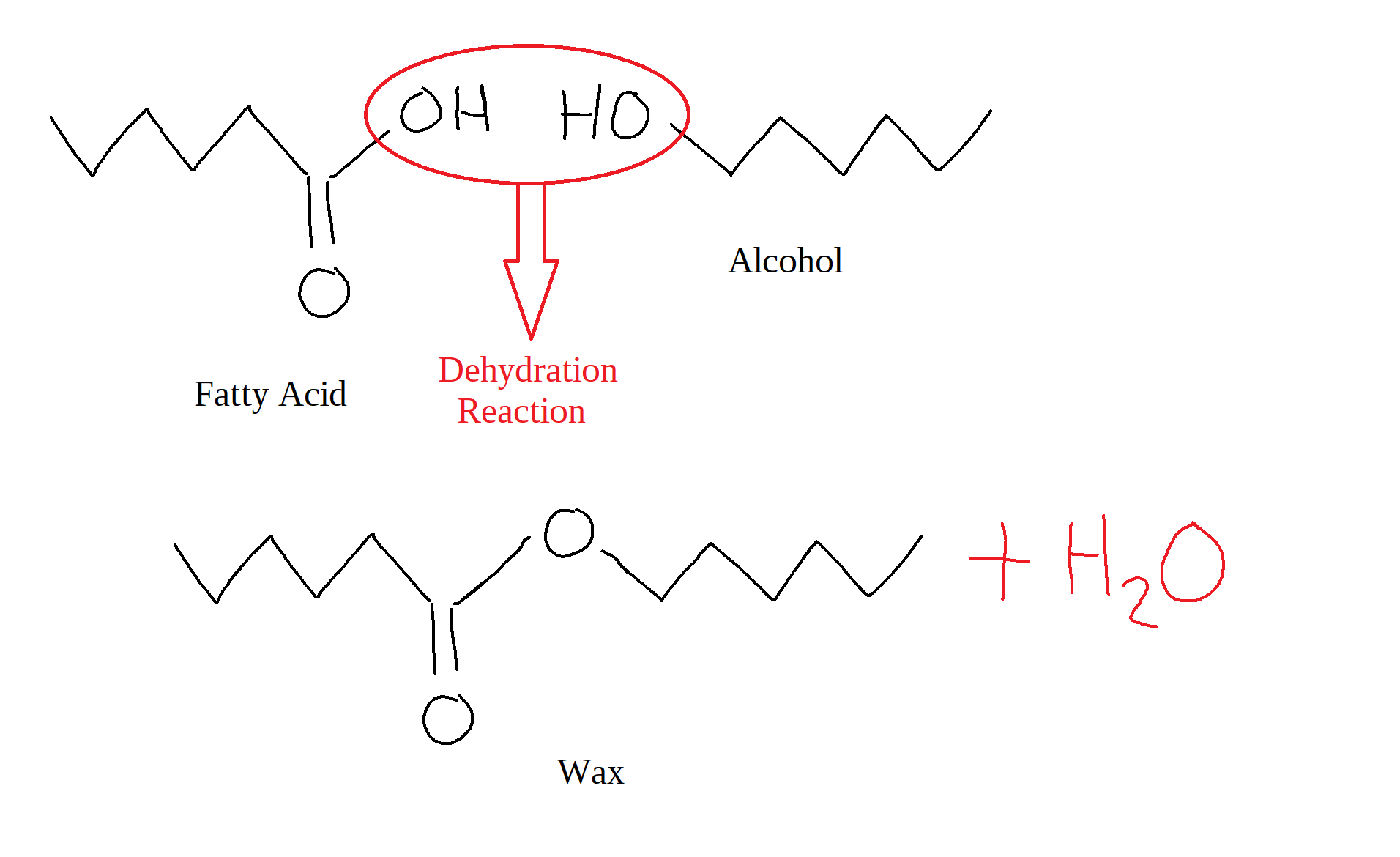
The generic synthesis of a wax from a fatty acid and an alcohol
Image source: By Sarah Morgan
Glycerol Lipids
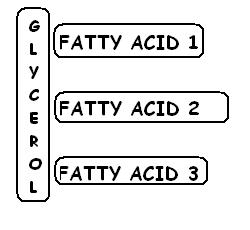
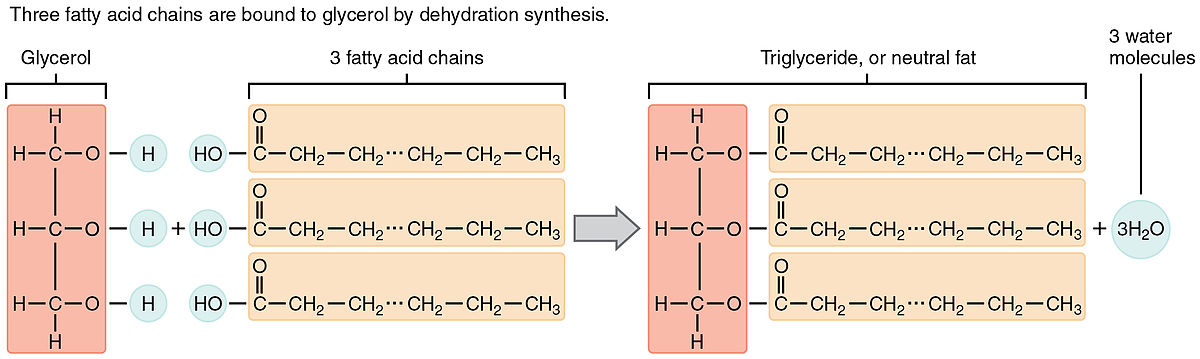
Glycerol lipids have a glycerol backbone that bonds to fatty acids. All glycerol lipids contain a fatty acid, a structure initially consisting of three carboxylic acids. When the fatty acid combines with the glycerol via a dehydration reaction, the hydroxyl groups on the fatty acid become esters.
Glycerols can be mono-, di-, or tri-subsituted, meaning they can have one, two, or three fatty acids attached. When a glycerol is trisubsituted, it is often called a triglyceride. Triglycerides are what the body uses to store energy in fat cells. Extra carbohydrates can be turned into triglycerides using a process known as lipogenesis.
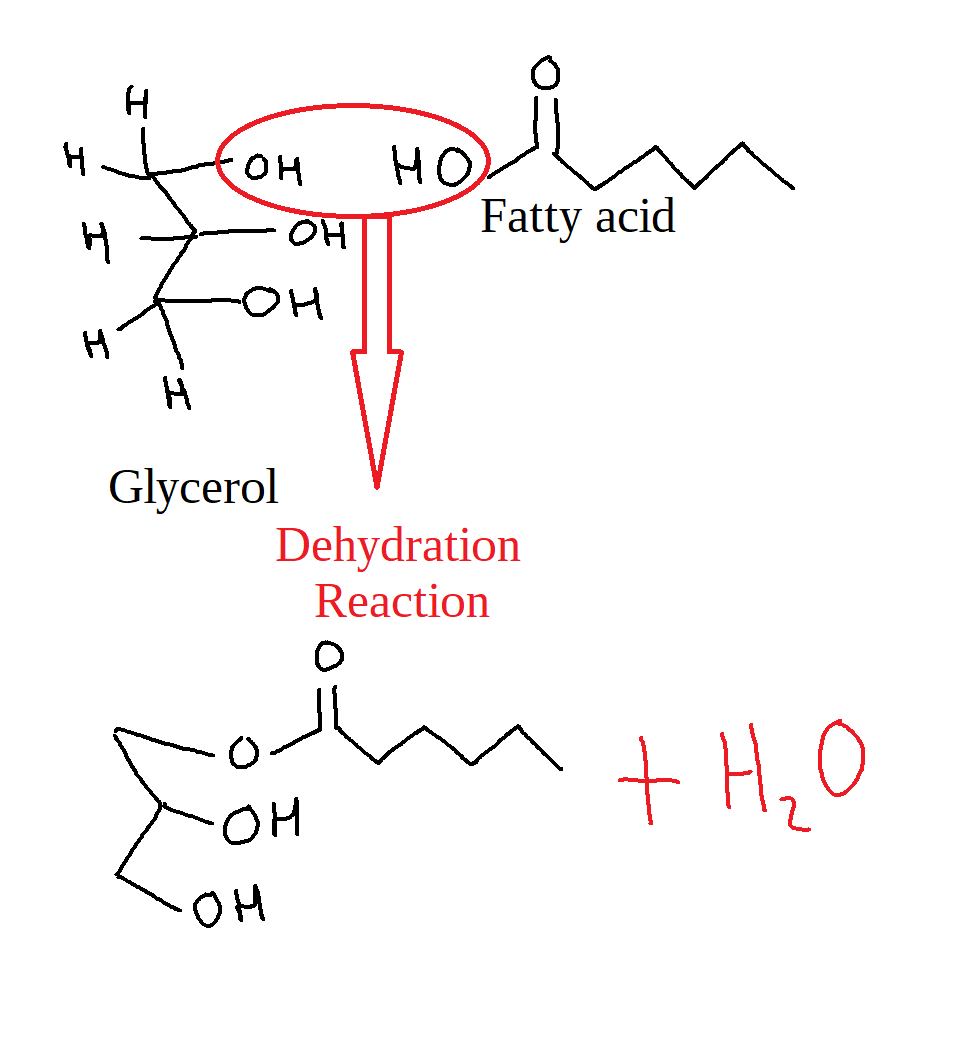
The generic synthesis of a monoglyceride. The same dehydration reaction would happen again for a di- and tri-glyceride.
Image source: By Sarah Morgan
Glycerol lipids can be saturated or unsaturated.
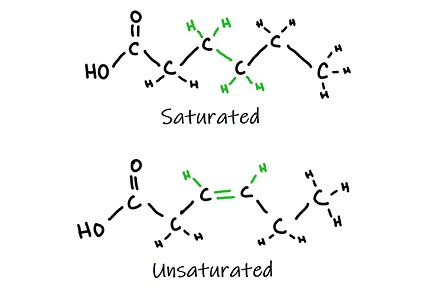
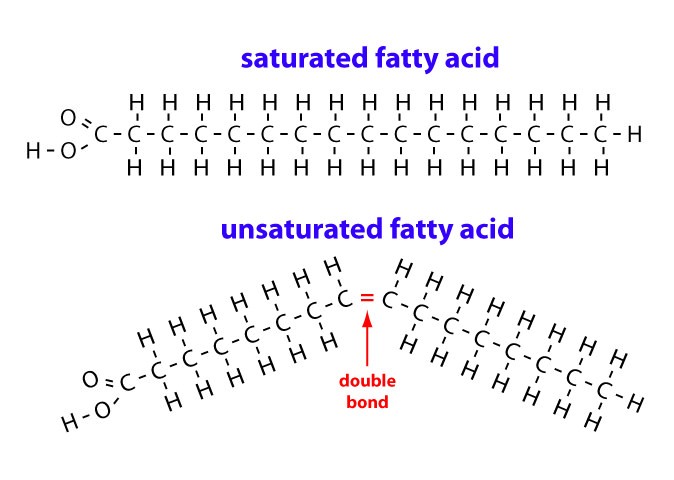
A saturated fat has no double bonds in its fatty acid section. This means that the carboxylic acid chain is "saturated" with hydrogens. Saturated fats, like butter, are usually solid at room temperature because the long, flexible, and nonpolar fatty acid chains all clump together.
An unsaturated fat has a few double bonds in the fatty acid chain. This means that some of the carbons have less hydrogens than the others, so the chain is not saturated with hydrogen. A monounsaturated fat only has one double bond. A polyunsaturated fat has many double bonds. Since the double bonds "bend" the structure of the chain and make it more rigid, it is harder for the fats to clump together. Because of this, unsaturated fats tend to be liquid at room temperature, such as olive oil.
Most natural unsaturated fats are cis unsaturated fats, meaning that the hydrogens on the double bond have the same orientation. Trans unsaturated fats are often formed when extra hydrogens are artificially added to natural unsaturated fats. This can result in the hydrogens on the double bonds having opposite configurations. Basically, the hydrogens in cis unsaturated fats are on the same side, while the hydrogens in trans unsaturated fats are not.
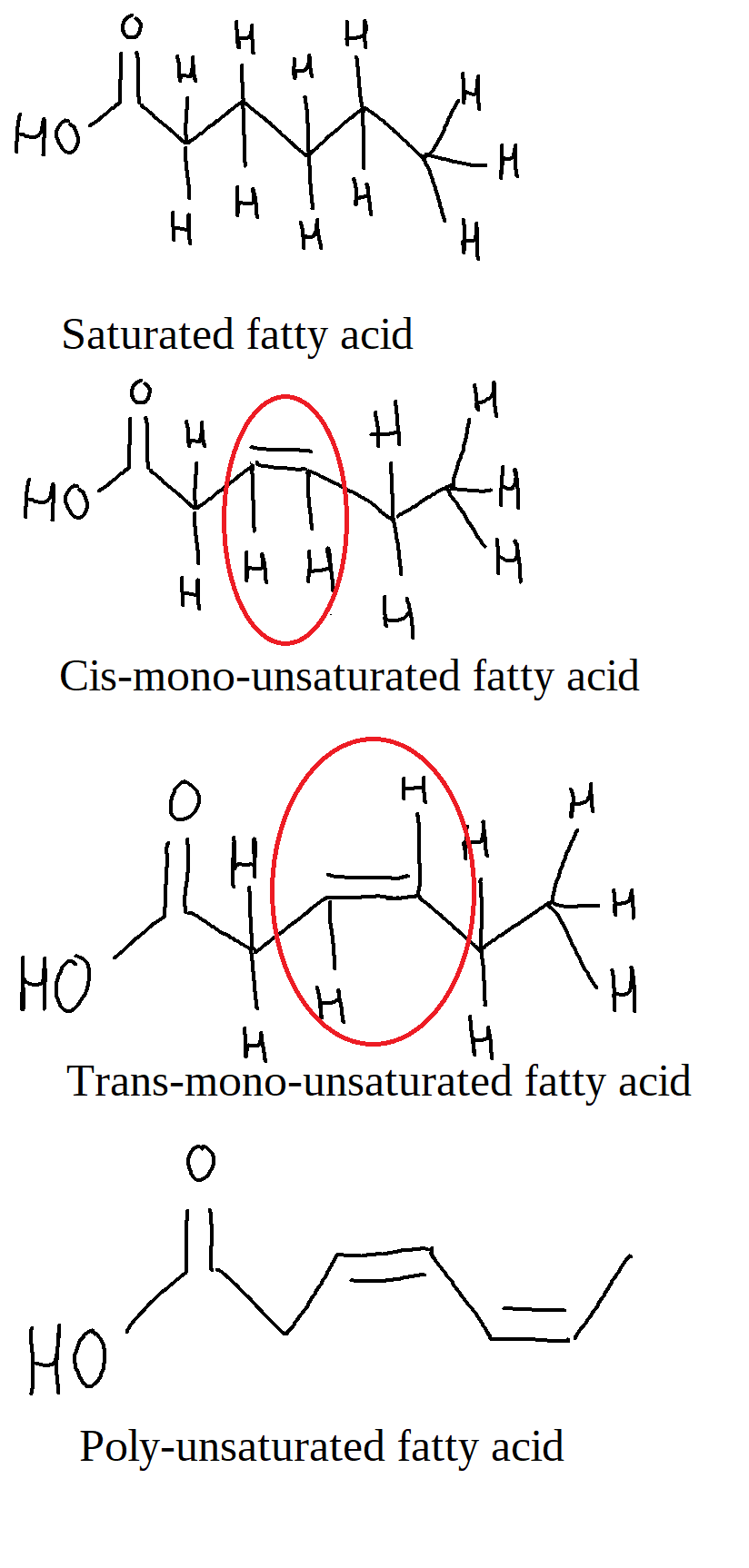
The generic structure of saturated, cis-unsaturated, trans-unsaturated, and poly-unsaturated fatty acids
Image source: By Sarah Morgan
When a fat is saturated, it...
What type of reaction allows fatty acids to bind to other molecules?
Glycerophospholipids
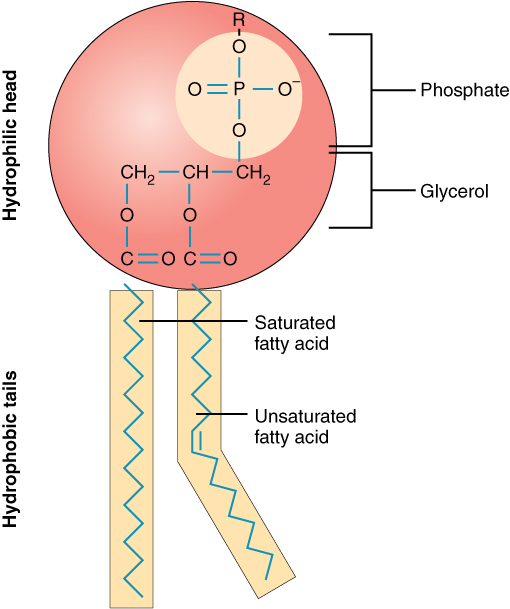
Glycerophospholipids, or phospholipids, are a di-substituted glycerol attached to a phosphate. The phosphate is polar while the glycerol fat is nonpolar. Phospholipids are the molecules that make up the lipid bilayer of cells.
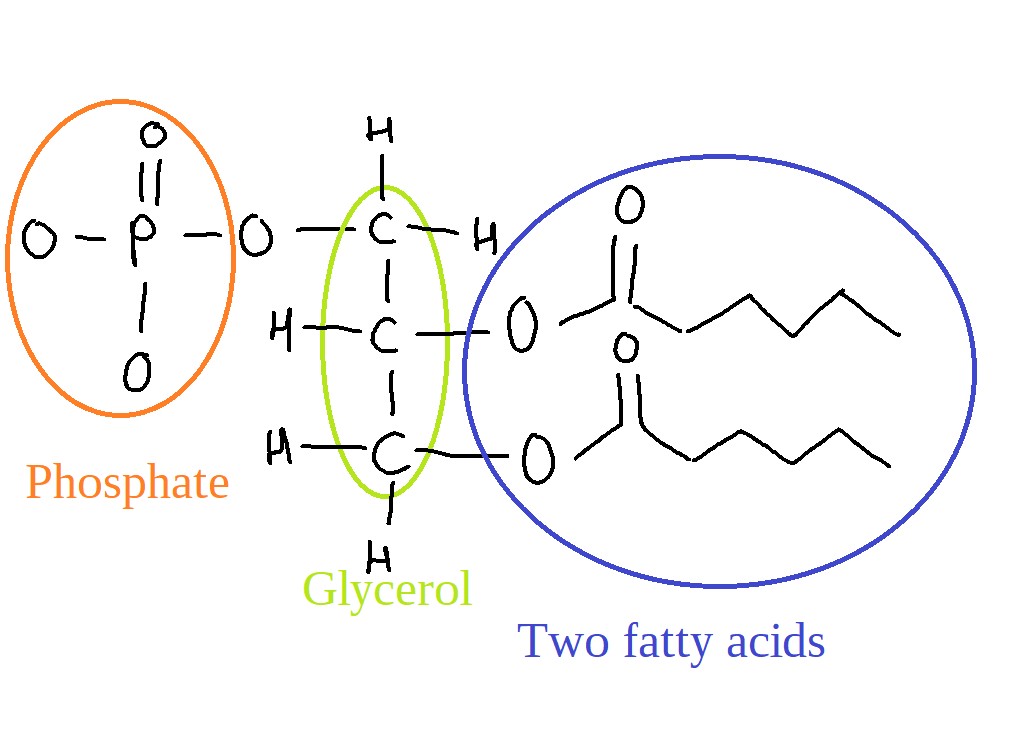
The generic structure of a glycerophospholipid
Image source: By Sarah Morgan
Sphingolipids
Sphingolipids are made of sphingoids, or a molecule synthesized from the amino acid serine and a fatty acid. Sphingolipids are used to make cerebrosides and gangliosides, important components of nerve and muscle cells.
Sphingolipids were named after sphinxes because their structure and function was mysterious for a long time after their discovery.
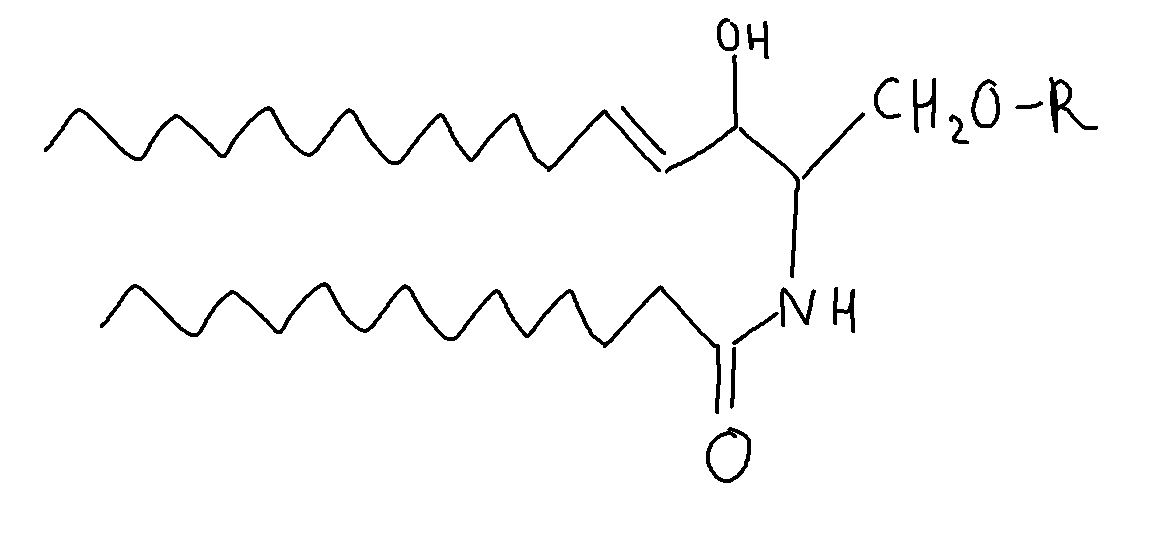
The generic structure of a sphingolipid. The R can be many different additional structures, including phosphates.
Image source: By Sarah Morgan
Sterol Lipids
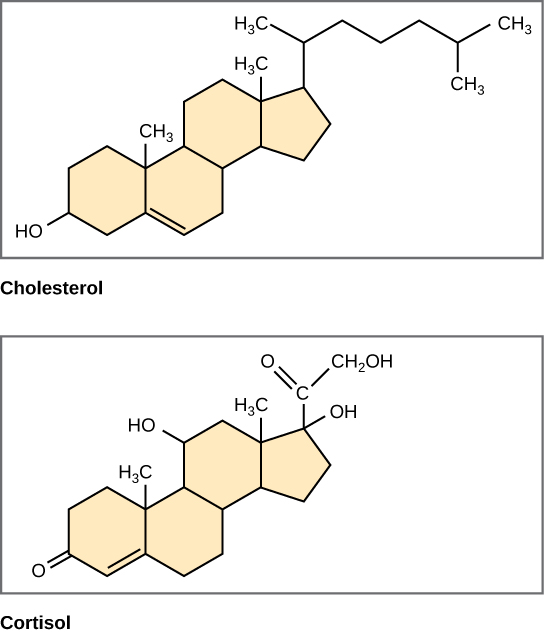
Sterols, or steroid alcohols, are made of interconnected carbon rings and an alcohol group. The carbon ring that the alcohol is connected to is referred to as the A ring. The alcohol group makes that end of the molecule polar, while the carbon ring sections are nonpolar. Sterols are another example of an amphipathic molecule.
An example of a sterol lipid is cholesterol. While high cholesterol can be bad for your health, cholesterol is necessary in cell membranes to keep it flexible and stop it from breaking apart. Cholesterol can also be used to synthesize steroids and hormones.
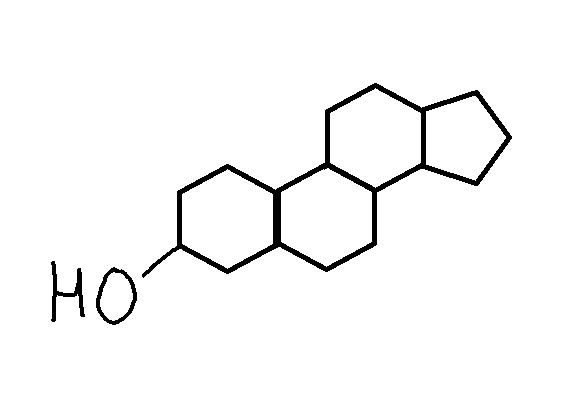
The generic structure of a sterol lipid
Image source: By Sarah Morgan
Prenol Lipids
Prenol lipids are produced using 5-carbon precusors and do not involve fatty acids. These types of lipids are common in vitamins A, E, and K. When prenols have cyclic parts, they are often referred to as isoprenoids or terpenes. Terpenes are the main component of essential oils and are basically what makes them smell good.
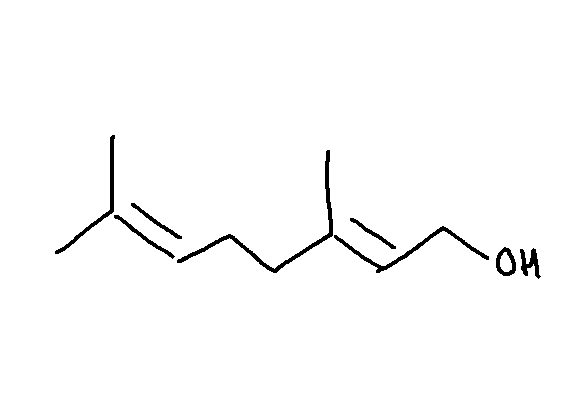
The generic structure of a prenol lipid. Prenol lipids can be much longer chains than this and can have many different placements of double bonds. When double bonds are separated by one single bond, and a methyl group, they are referred to as isoprenes. They can also have additional active groups such as phosphates or hexanes.
Image source: By Sarah Morgan
Saccharolipids
In saccharolipids, fatty acids are attached to a sugar backbone in a similar way that they are attached to glycerols in glycerol lipids. These types of lipids are usually placed in the cell membrane as a way to identify the cell and communicate with other cells. Saccharolipids are usually common in bacteria.
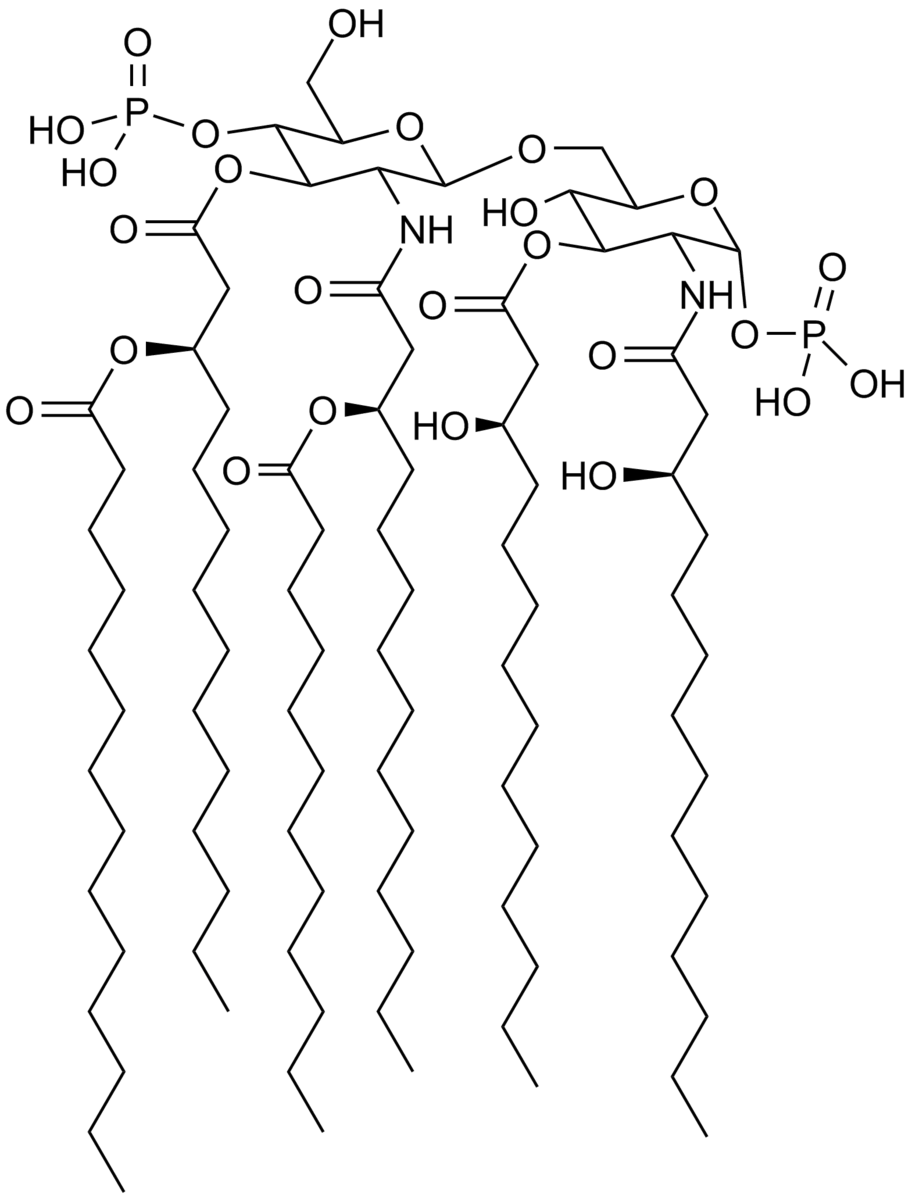
Image source: By Edgar181 [Public domain], via Wikimedia Commons
The image shows the structure of a specific saccharolipid known as Lipid A, an important part of a bacterial membrane. Multiple fatty acid chains are joined to a 2-sugar backbone that itself is connected to two phosphates. The important thing to remember is that these types of lipids use sugars instead of glycerols as backbones.
Polyketides
Polyketides are cyclic molecules that are highly modified through glycosylation, methylation, hydroxylation, oxidation, and other methods. Polyketides can be used for many purposes, from antibiotic activity to cancer prevention. The structure of polyketides can vary so much that it is very difficult to create a generic structure for them. The important thing to remember about polyketides is that they are made of alternating carbonyl and methylene groups.
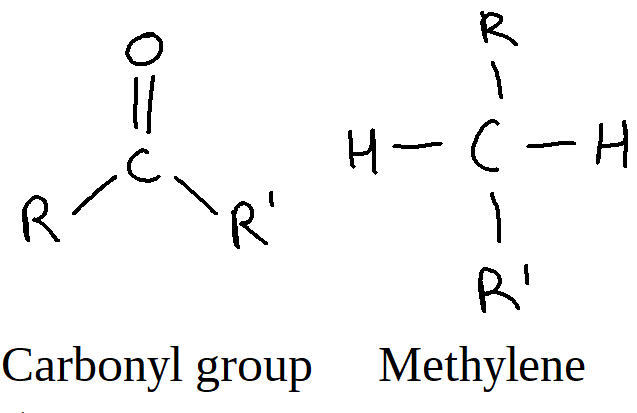
Carbonyls and methylenes are the main components of polyketides.
Image source: By Sarah Morgan
What is the difference between a triglyceride and a saccharolipid?
What are the main components of phospholipids? Choose all correct answers.