Video · + 2 min read

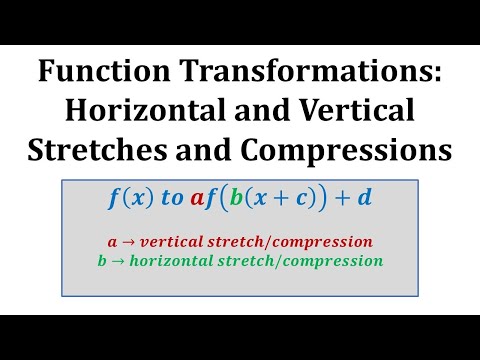
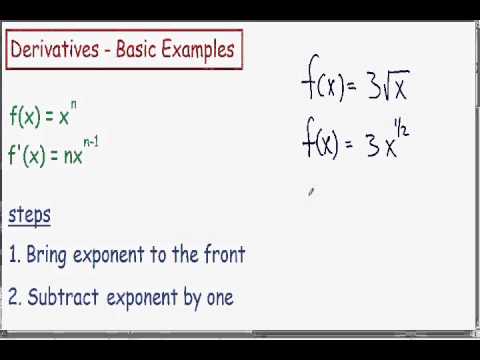
(Videos) Introduction to Function Transformations, Horizontal and Vertical Transformations, and Function Transformations
by MySecretMathTutor, PatrickJMT, and Mathispower4u
What is a Transformation?
The transformations that functions under go have an effect on the tangent lines. Considering this, there are different types of transformations that have different effects.
Types:
Vertical Translation is when a function moves upwards or downwards by a certain amount. As a result of this transformation, the tangent line moves along with the function. For instance, the original function of a graph is at and this function underwent a vertical translation of +3. So what would the tangent line be after the transformations if the original tangent line function is . It would be $y=2x+4 because the graph moved up, so the y-intercept would change. In this case, verticals translations do not affect the slope and the derivatives stays the same.
Here is the function . Draw the tangent line at .
What do you notice about the slope of the tangent line?
In general, how do vertical shifts affect the instantaneous rate of change(derivatives)?

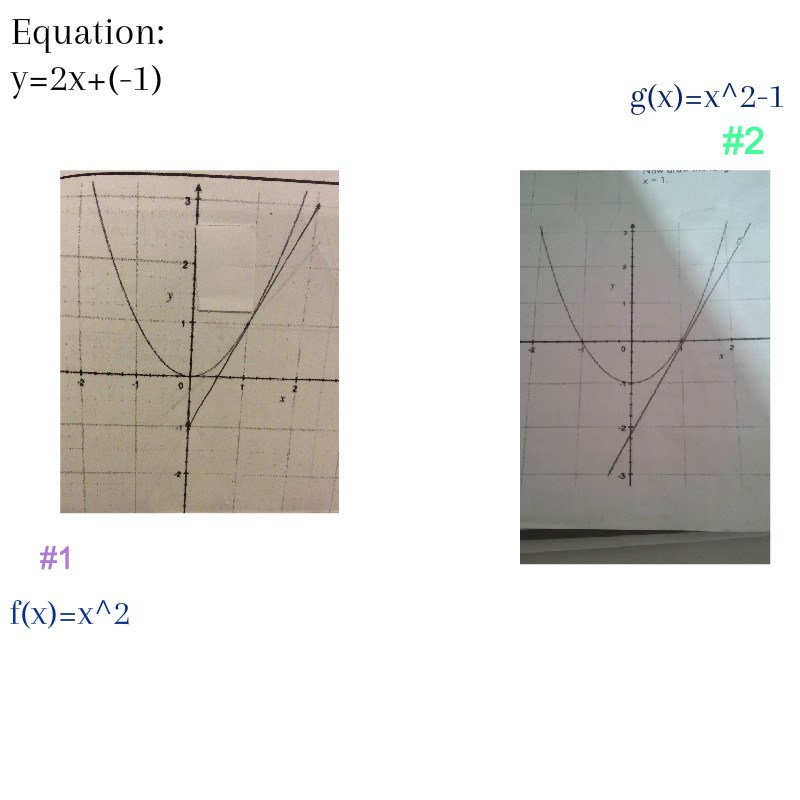
Example of Vertical Translation
The function f(x) = sin(x) has a tangent line of about y= 0.5x+0.3 at x = 1. What would the tangent line of m(x)= sin(x) + 3 be at x = 1?
Horizontal Translation is when a function moves to the right or to the left by the same amount. So with the function, the tangent lines also moves to the left or right. This transformation changes the derivative function because the X value changes. For example, when the original function is , the tangent line would be . Here, one notices that the slope of the tangent is 2 which affects the x values.
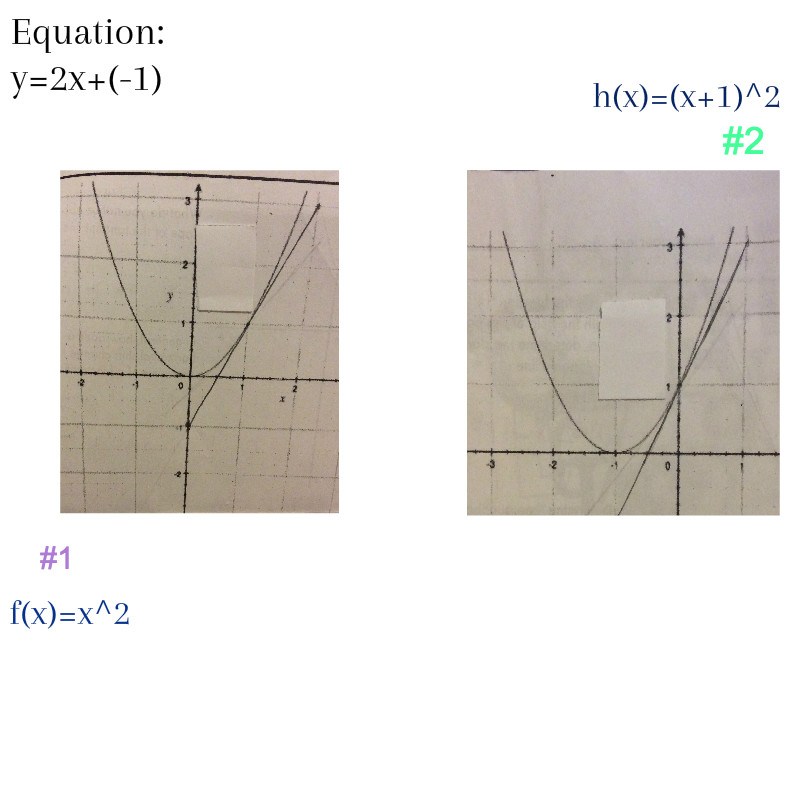
Example of Horizontal Translation

The function f(x) = sin(x) has a tangent line of about y= 0.5x+0.3 at x = 1. What would the tangent line of q(x)= sin(x-2) be at x=1?
Stretching is when a function is stretched or compressed by multiplying the entire function by the same factor. In this case, the derivative is affected. The slope of the function decreases by a certain amount and the slope of the tangent line also decreases by certain amount too.
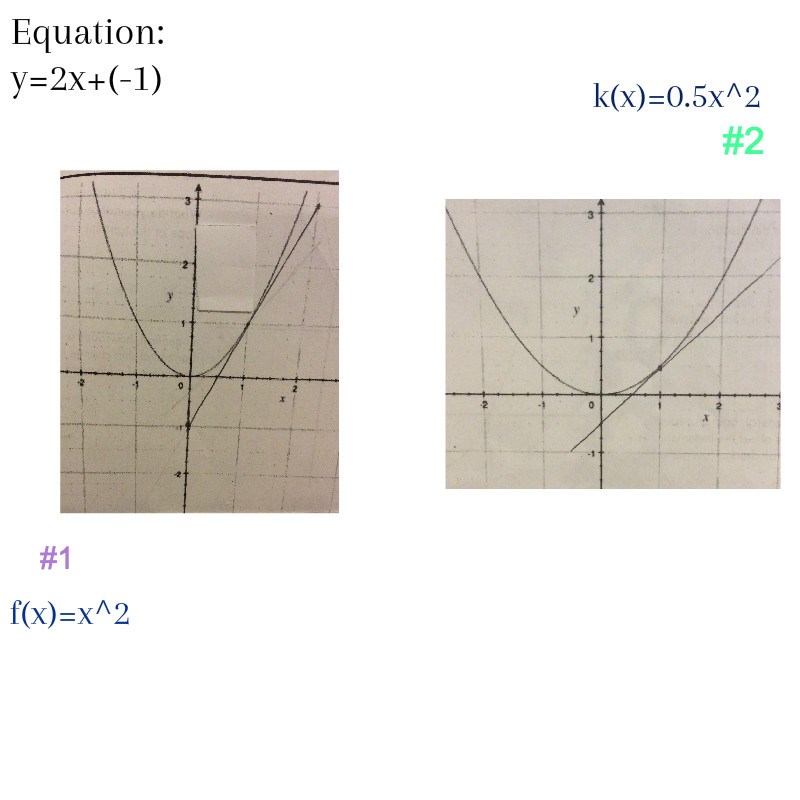
Example of Stretching
The function f(x) = sin(x) has a tangent line of about at . What would the slope of the tangent line of be at ?
Reflection over x-axis is when the function of a graph reflected over the x-axis by changing the sign of the domain. With this transformation, the sign of the derivative also changes.
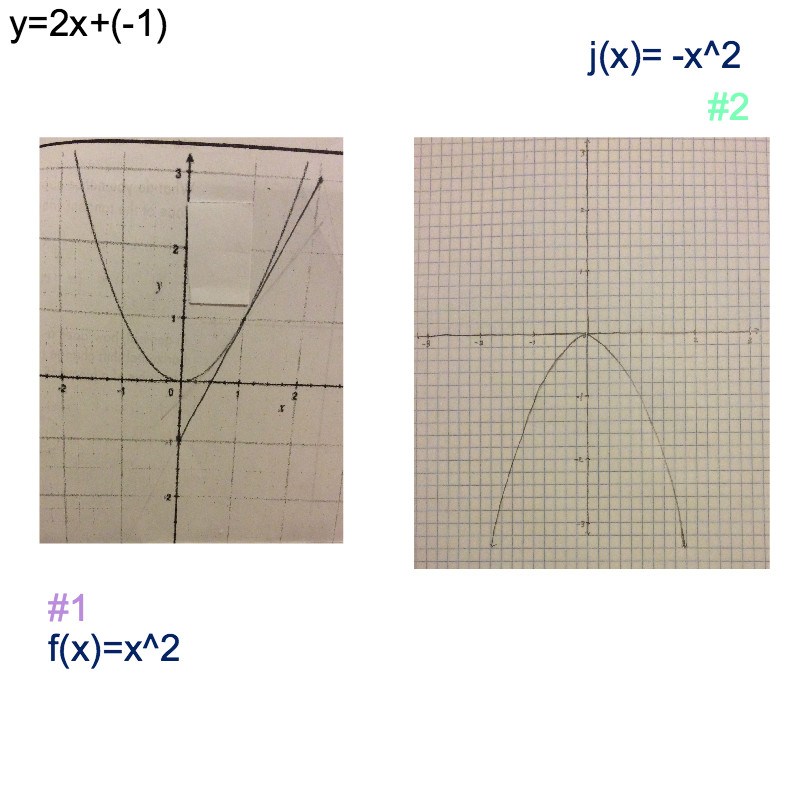
Example of Reflection over the X-axis
The function f(x) = sin(x) has a tangent line of about y= 0.5x+0.3 at x = 1. What would the slope of the tangent line of d(x)=-sin(x) be at x=1?