A Tale of Two Endoplasmic Reticulums
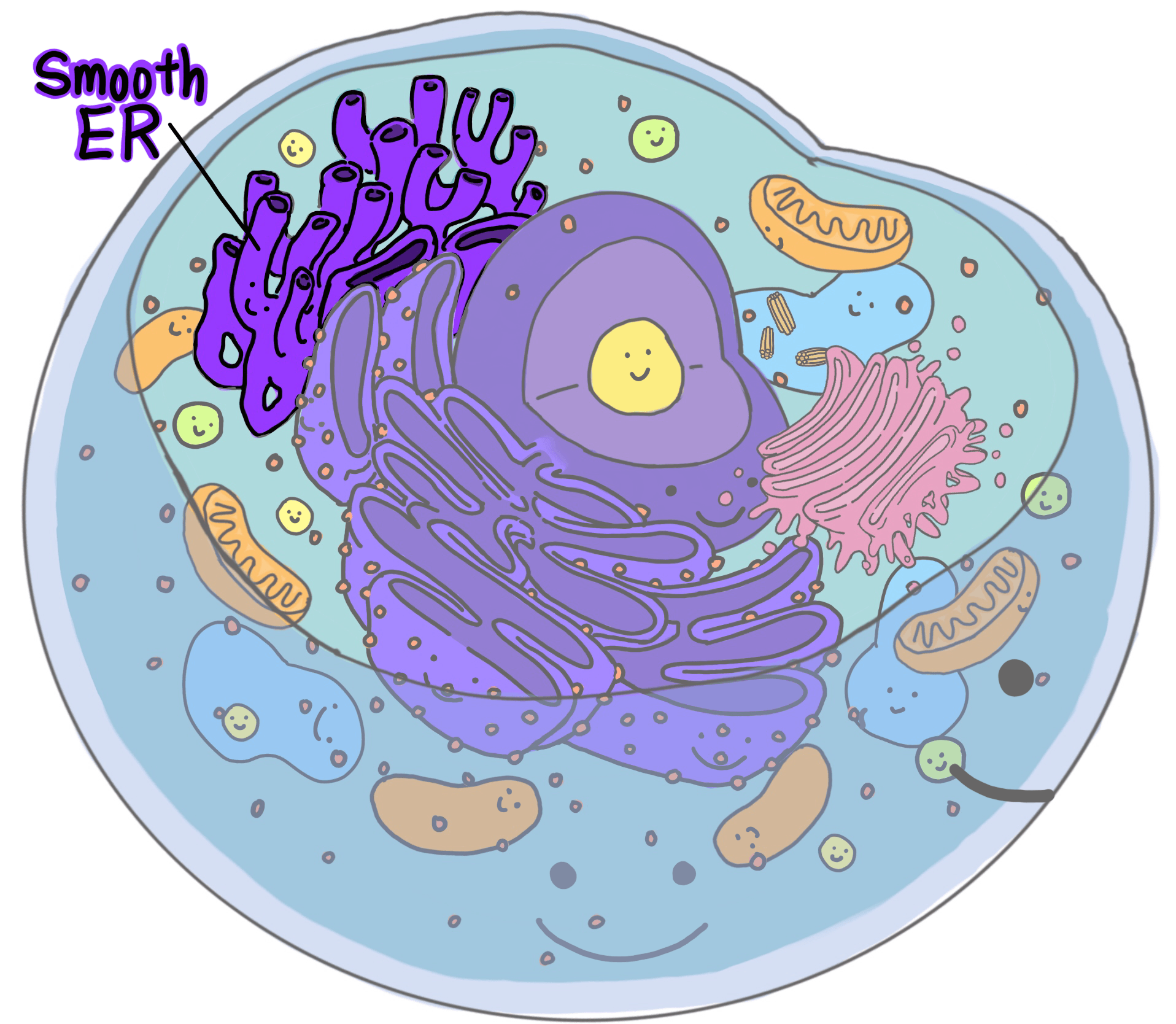
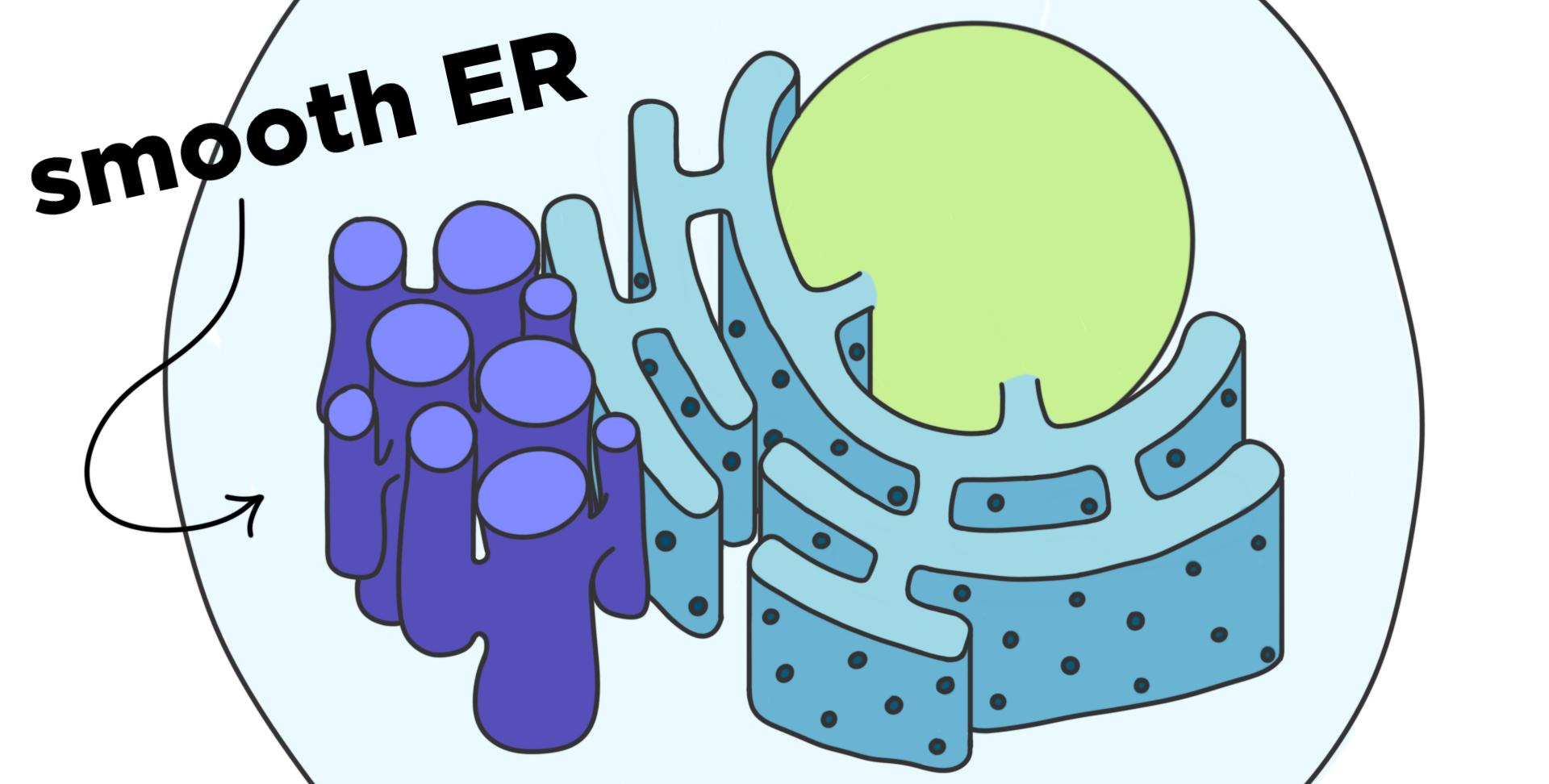
The endoplasmic reticulum is an organelle found in most eukaryotic cells. It is made up of two parts: one is smooth, while the other is rough. The most basic differences between these two sub-units are what they look like and what they synthesize:
The smooth endoplasmic reticulum (SER) is essentially a network of membranes that assembles the lipid parts of the cell membrane and helps with the detoxification of drugs. It also assists in the transportation of macromolecules.
It's called smooth because it's literally smooth; this part of the ER does not contain any ribosomes.
How Does It Work?
Like we said before, the SER doesn’t have ribosomes working along its membrane—it doesn’t need to, because it doesn’t build proteins. (Remember: ribosomes help string amino acids together to form proteins.) So, how does the smooth endoplasmic reticulum make lipids and send them off to where they belong? How does it break down substances?
Making Lipids
Lipids are made by enzymes embedded in the membrane of the SER. That’s because they have hydrophobic parts that don’t like the watery inside of the organelle. Meanwhile, the hydrophilic parts of the fats face into the cisternal space. When they’re finished, the lipid products get packaged into vesicles and sent off to their destinations.
Detoxification
Enzymes in the SER break down harmful substances into water-soluble compounds. Those compounds don’t just sit around in the cell. They get excreted. You know, like when you use the bathroom.
What About Sarcoplasmic Reticulum?
“Sarcoplasmic reticulum” is a special name for the SER located in skeletal muscle cells. This special SER’s job is to collect calcium ions so that your muscles can contract. Remember to thank your sarcoplasmic reticulum for helping you out at the gym.
Vocabulary Review:
Vacuole : Organelle that contains water and nutrients. Refrigerator of the cell
Golgi Apparatus : Stores, sorts, and modifies proteins and lipids. Post office of the cell
Cytoskeleton : Helps the cell maintain its shape and assists with movement. Skeleton of the cell
Mitochondria : Makes ATP (energy). Powerhouse of the cell
Ribosome : Creats polypeptide chains and proteins. Factory of the cell
Endoplasmic Reticulum : The smooth ER makes lipids for the cellular membrane. The rough ER assembles proteins and transports them into and out of the cell
Nucleus : Contains the genetic material, DNA, of the cell. Brain of the cell