Interactive · 1 question





Absolute values make the expression within nonnegative. Earlier, we saw absolute values with sums.
Let's look at a few examples of how to perform multiplication with absolute values.
Example 1
The product of these two values is .
Example 2
We have a set of parentheses inside the absolute value signs. According to the Order of Operations (PEMDAS), we need to handle the stuff inside the parentheses first.
Now, we're all set to perform the operation inside the absolute value sign to evaluate the expression.
Example 3: Variables
First, we need to isolate the term on one side of the equation. (Hopefully this sounds familiar it's the same approach we take almost every time we solve for !)

Image source: by Anusha Rahman
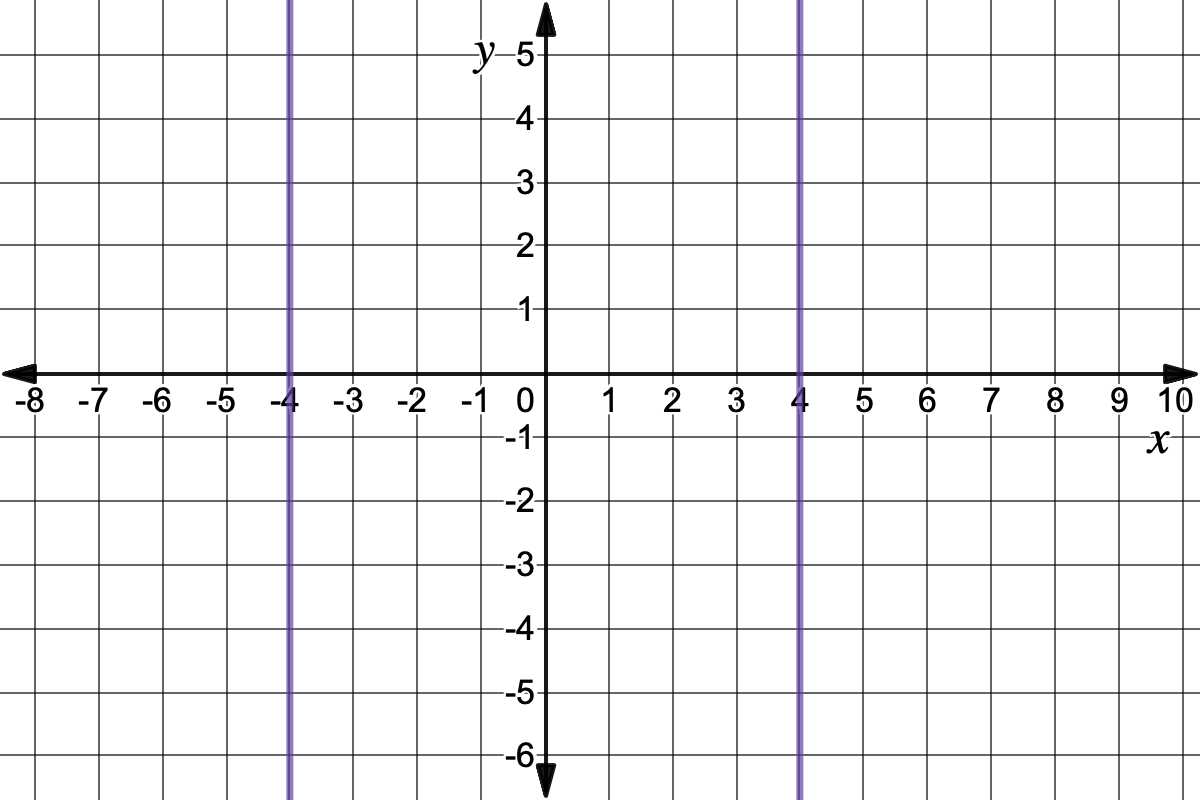
Solve this equation. What are the possible values of ?
Recall that the quantity inside the absolute value lines produces a nonnegative result, no matter what. Because of this, though, we don't know if our inside the absolute value lines is equal to , or if our actually equals .
So, we need to account for both outcomes:
Now, just solve for in both equations.
Notice that plugging in either value for ( or ) into the original equation gives us the same answer of .
Remember, plugging in both values is a good way to double check your work.