
Illustrated · 1 min
The Hubble Tuning Fork
Galaxies are essential to the structure of our most beautiful Cosmos and come in many shapes and forms.
In 1926 Hubble invented the Hubble Sequence. In his sequence he focused on two of the three major types of galaxies: Spiral and Elliptical galaxies.
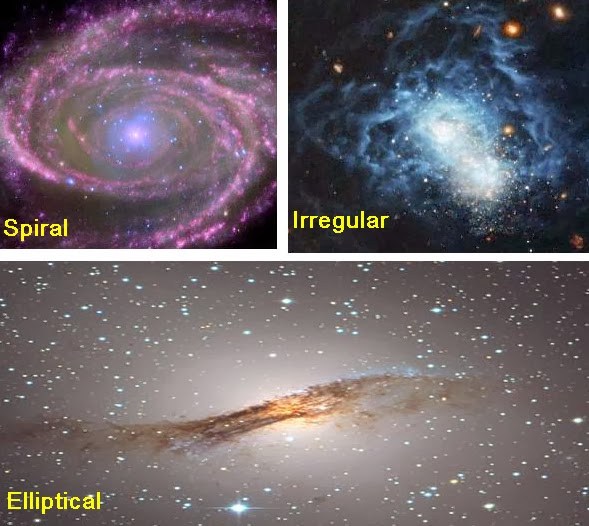
Credit:Future and Cosmos Blog Classification of Elliptical Galaxies

To represent Ellipticals, Hubble used the capitol letter E. this letter is then followed by an Integer, n, which can vary from 0 to 7 and indicates the degree to which they are elliptic, with 0 indicating a seemingly circular galaxy and 7 indicating a very elliptical one.
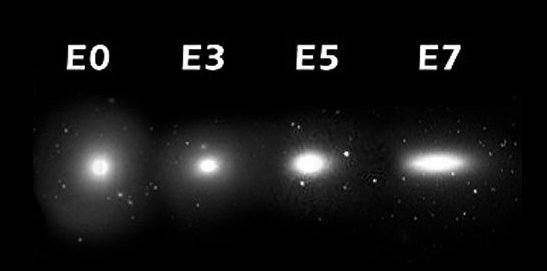
Credit: University of Louisville

Classification of Spiral Galaxies
Spiral Galaxies can be split into two distinctive categories: barred galaxies and unbarred galaxies.
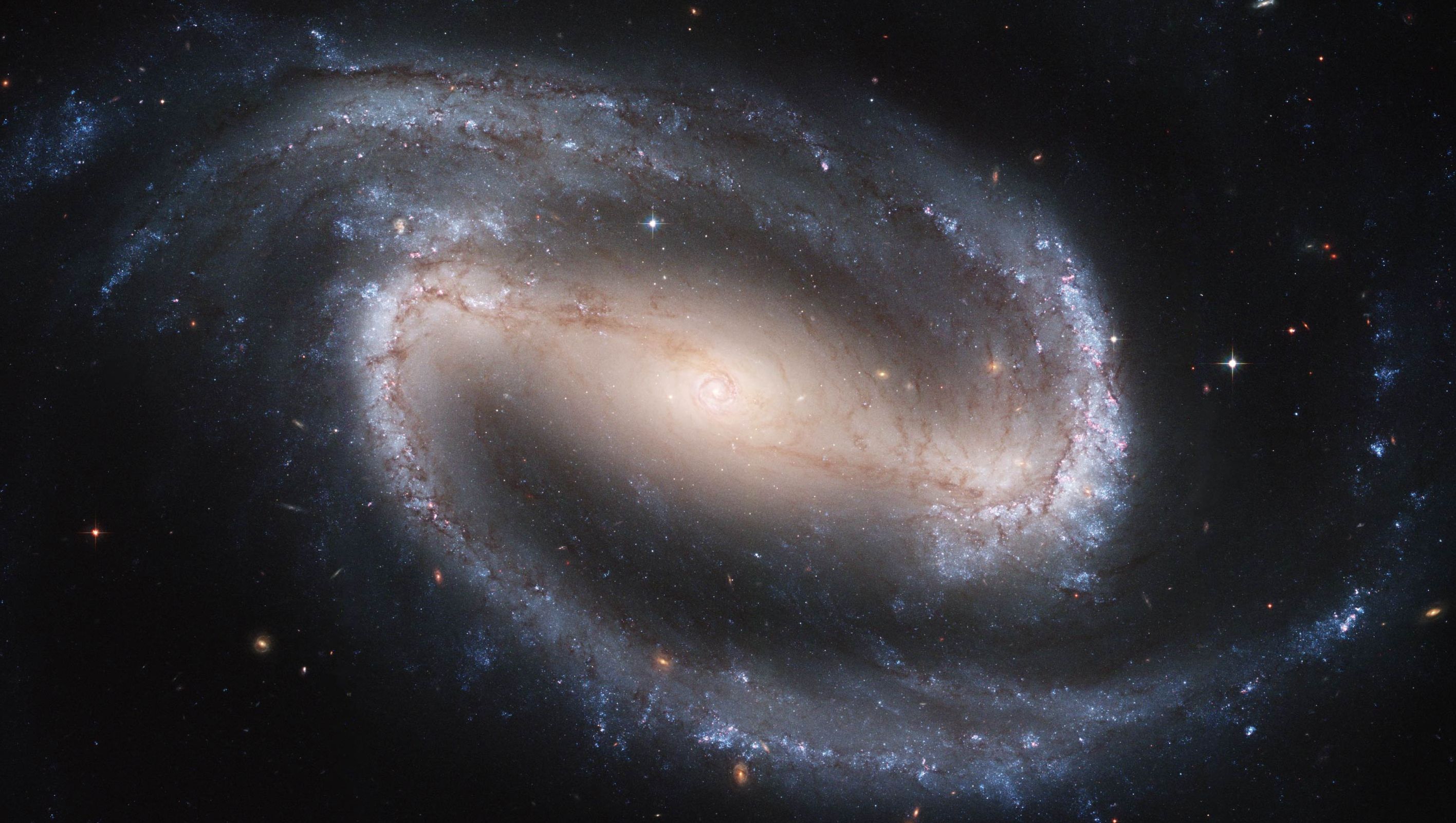
This is a Barred Galaxy, characterized by a distinctive bar in its center
Credit:Nasa

Because of this difference, the beginning of a Spiral Galaxy classification can be either SB to signify a barred spiral and S for a spiral with no bar.
From there the galaxies are subdivided into one of three categories, that is shown by a lower case letter appended to the end of either "S" or "SB"
Type a spirals are tightly wound, with smooth arms and a large, bright central bulge.
Type b spirals have less tightly wound spiral arms and have a fainter bulge.
Type c spirals are more loosely wound galaxies.
There is also a type S0 galaxy, considered a transition type between elliptical and spiral galaxies. Called "lenticular galaxies", these celstial bodies have a central bulge and a disk, but no spiral arms.
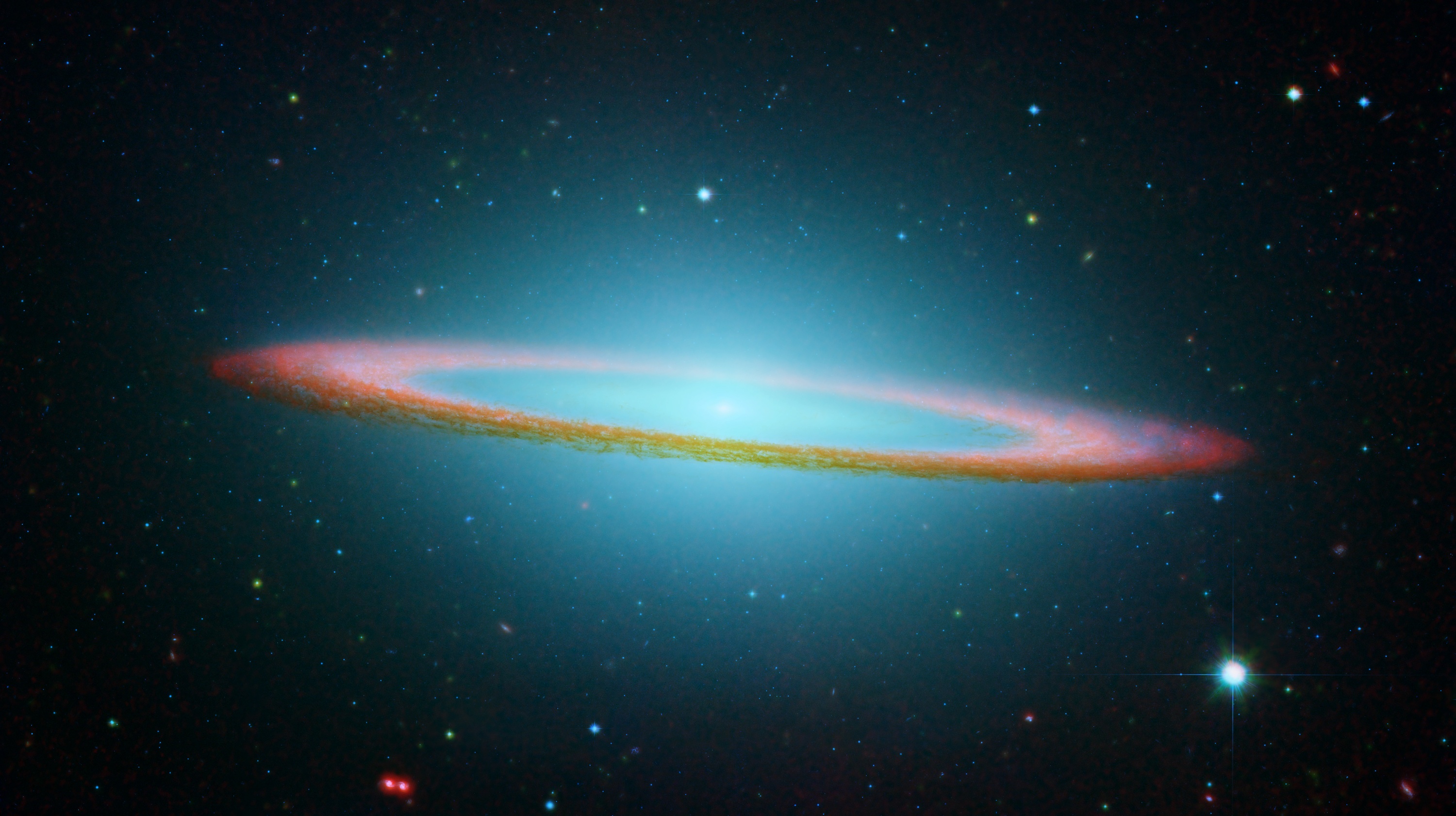
The Sombrero Galaxy is a perfect example of such form
Credit:Nasa
The Tuning Fork
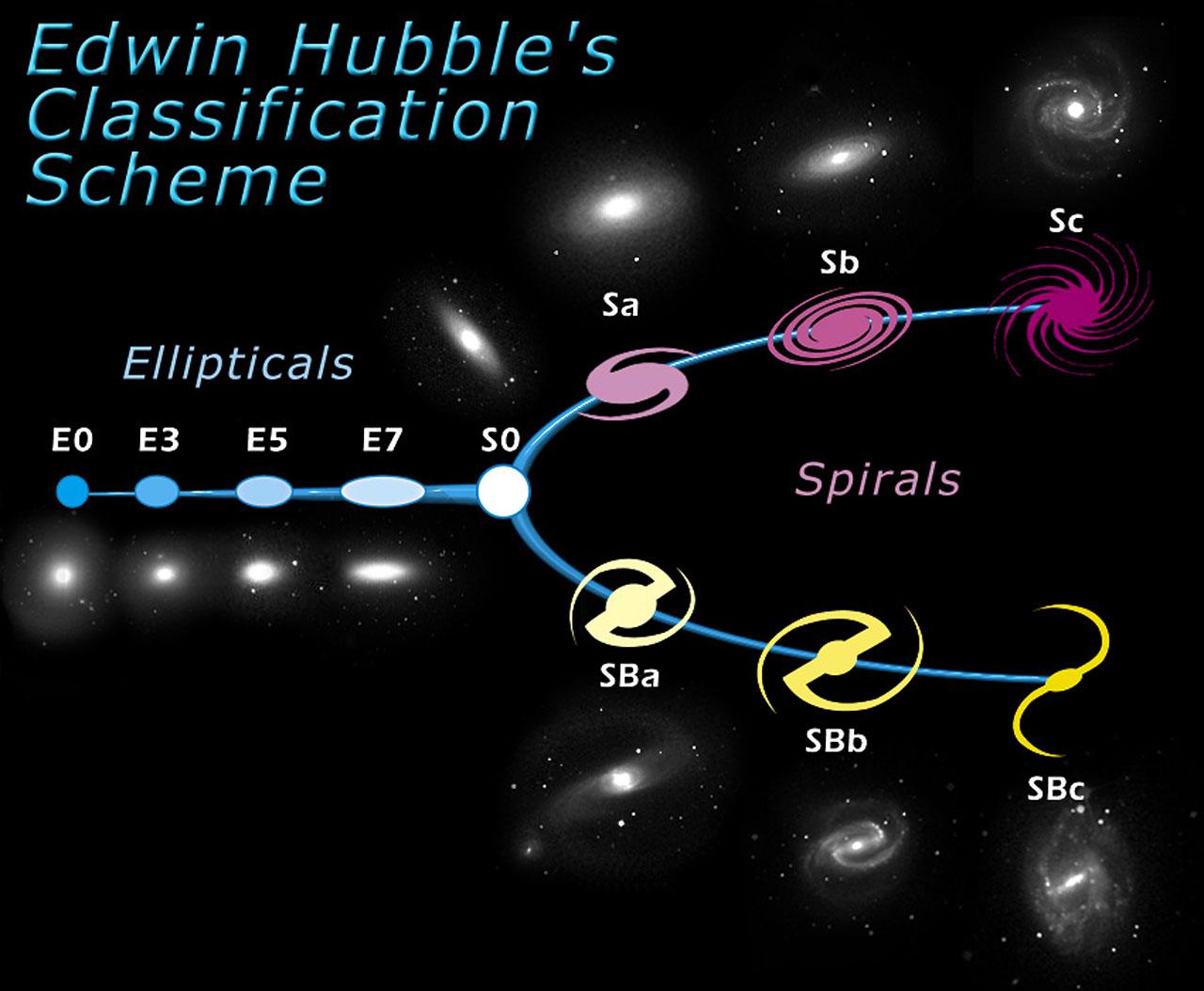
Credit: Space Telescope Science Institute
The combination of these classifications was illustrated in what is called Hubble's Tuning Fork(above). When Erwin Hubble devised this system in 1926, he was leading the charge for the advancement of Astronomy and it still holds tremendous influence today, with its nomenclature still common amoung modern day astronomers.