
Illustrated · 1 min
By Gabi Slizewska

+1 contributors
Contributors


Image source: By Gabi Slizewska
Illustrated · 1 min
Image source: By Gabi Slizewska
Illustrated · 2 min
A population is a group of one particular species in a particular place. That group of birds that lives near your house, you know which one, is a good example.
The three most important characteristics of a population are its density, growth rate, and distribution. Now, let's figure out what that actually means.

Image source: By USFWS Mountain-Prairie CC BY 2.0, via flickr.com
The population density is the number of organisms in a very specific area, like how many burrowing owls live in a square mile.
Population growth is the rate at which size increases. The growth rate is controlled by three things: the number of births, the number of deaths, and the number of members leaving (emigration) or entering (immigration) the region. If an environment has a surplus of resources, a group living there may undergo exponential growth.
Exponential growth happens when a population's size increases at a constant rate and there are few deaths. The plot of exponential growth looks like a J; it starts low but curves upward quickly.

Image source: By Dennis Matheson CC BY-SA 2.0, via flickr.com
An example of this is gray wolves, which were almost killed off by humans in the early 20th century. They were placed on the endangered animals list, and it was made illegal to hunt them. There were almost none in Yellowstone 40 years ago, but thanks to the reintroduction of wolves by the park rangers (immigration), the numbers have rebounded. Before the reintroduction and classification as an endangered species, the death rate of the wolves was much higher than the birth rate.
After the new wolves immigrated into the park, the number exponentially increased because of the high birth rate, more immigration, and low death rate. Currently, there are over 104 wolves living in Yellowstone.
Populations can't have exponential growth forever, although we humans have been pushing our luck with it for a while now. There is a point where an ecosystem can not support any more members, which is called its carrying capacity.
When the carrying capacity is reached, the number of organisms will undergo logistic growth. This can happen for any number of reasons, such as food scarcity or disease.
A factor that causes a population to begin to decrease is called a limiting factor. Limiting factors come in two types: density-dependent and density-independent.
Density-dependent limiting factors are things like competition for resources, predation, parasitism, and disease. Competition happens when there are too many organisms trying to use the same resources and they must compete for them.
Density-independent factors include things like natural disasters, odd weather, and clear-cutting forests.
: The study of organisms and their environment
: The biosphere is the global ecological system. It includes all life and ecosystems
: A large group of ecosystems that are characterized by soil and climate types
: The interactions between a biological community and its environment
: A group of interacting populations
: A group of individuals of the same species living in a particular geographical area
: A group of organisms that can breed and create fertile offspring
: A living individual
: A species' ecological role in its community
Illustrated · 1 min

Image source: By Gabi Slizewska
Illustrated · 1 min
A population is a group of organisms in one area that are members of the same species. From what we learned through the definition of species, we know that species are individuals which are able to interbreed with each other and produce viable offspring. This means that populations all must be the same species and can interbreed successfully with each other.
This level of organization is more specific than the others we previously talked about since it refers to the interactions between just one species instead of multiple species.
Some examples of this category are all the bass in a lake, all the stray cats in a city, or all the evergreen trees in a forest.
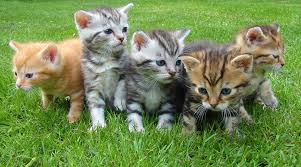
Image source: By Jan-Mallander CC0, via pixabay.com
Remember, limiting factors can affect the carrying capacity. Different limiting factors, such as natural disasters or competition, can cause a population size to decrease!
Illustrated · 1 min
A population is a group of individual organisms from a single species who can all interbreed and are part of a single gene pool. Not all members of a single species are part of the same population.
For example, there are carp in many ponds and lakes in North America. A carp in one lake cannot possibly mate with a carp in another lake. Each lake would then have a distinct population of carp.
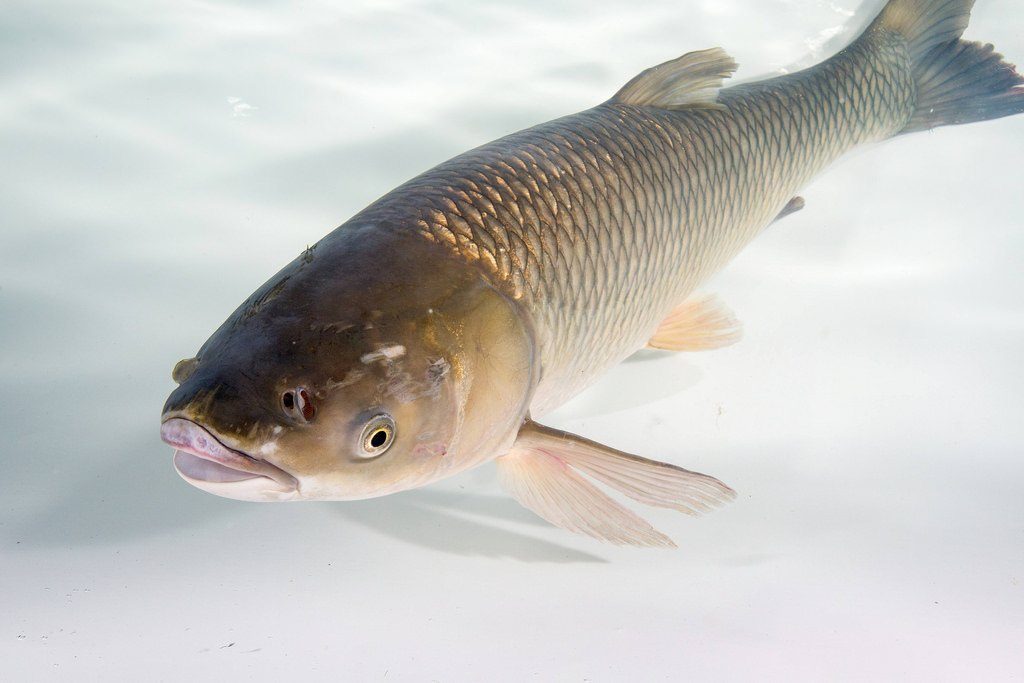
Image source: By Ryan Hagerty/USFWS CC BY 2.0, via flickr.com
Single-family or social units are not necessarily distinct populations. For example, you might mistakenly think that a single wolf pack is a good example of a population. But in reality, all of the wolf packs in a given geographical area have a high likelihood of interbreeding. A young male wolf might breed with a female from a neighboring pack.
Any group of individual organisms of the same species that regularly interbreeds is a part of the same population. This includes all of the wolf packs in Yellowstone National Park. Wolves in Europe, however, will be from different populations because no American wolf can breed with a wolf on another continent.
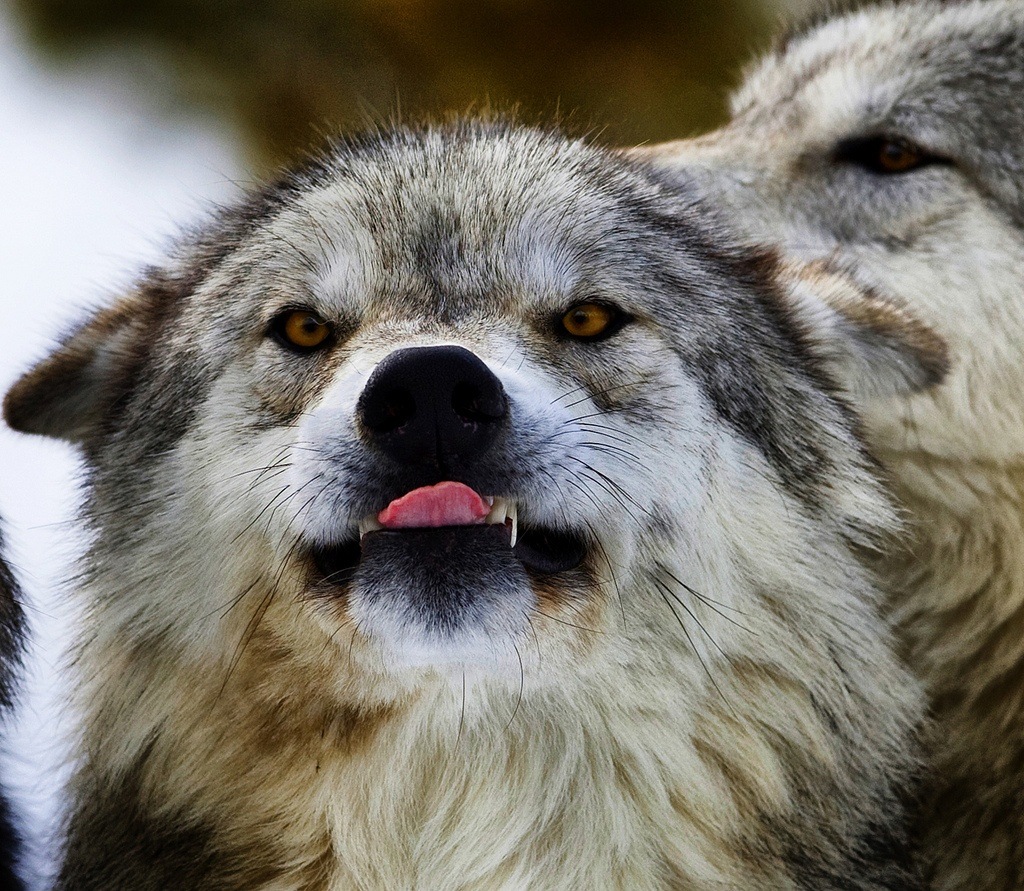
Image source: By Jeremy Weber CC BY 2.0, via flickr.com
Video
by CrashCourse

In this video, Crash Course covers population ecology, including growth rate, limiting factors, and carrying capacity.



