Interactive · 1 question

+2 contributors



By Takver from Australia - We are all stardust - Melbourne #MarchforScience on #Earthday, CC BY-SA 2.0, Wikimedia Commons
"We are all made of stardust."
You may have heard this quote (most famously paraphrased in Carl Sagan's Cosmos) before and wondered how it could be spoken with such certainty.
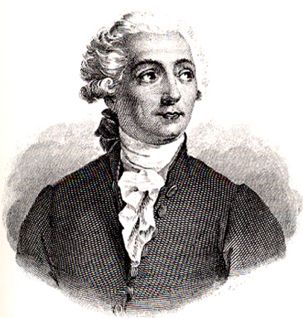
As initially discovered by Mikhail Lomonosov and Antoine Lavoisier, no reaction can change the mass or elemental identity of the reactants.
Therefore, there is a constant amount of mass in the universe that cannot be changed through any form of reaction. This is called the Law of Conservation of Mass. That means all of the atoms inside of you that carry the mass that you think of as your own have existed since the dawn of the universe, and became the elements they are now during the nuclear reactions inside of stars. You truly are made of star stuff.
Just as mass cannot be changed through any process, energy is converted from one substance to another. It is never created or used up by chemical reactions. When a reaction releases energy in the form of heat, that release comes from the energy within atoms that is no longer needed when they form a lower energy bonded state. This is called the Law of Conservation of Energy.
When you burn a newspaper in a campfire, where does its mass go?