Illustrated · 1 min
+3 contributors



Monomers and Polymers (Macromolecules)
Much of our focus in biology is on giant molecules like proteins, carbohydrates, lipids (fats), and nucleic acids. These are referred to as macromolecules.
Macro (large) is the opposite of micro (small), so it denotes largeness. A good way to remember that macromolecules are large is to think "Big Mac". "Mac" sounds like macromolecule and "Big" reminds us that they are large.
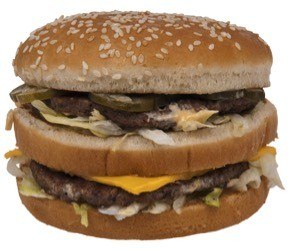
Image source: By Evan-Amos CC0, via Wikimedia Commons
Another word for macromolecule is polymer. They are synonyms. Proteins, lipids, carbohydrates, and nucleic acids are all examples of polymers.
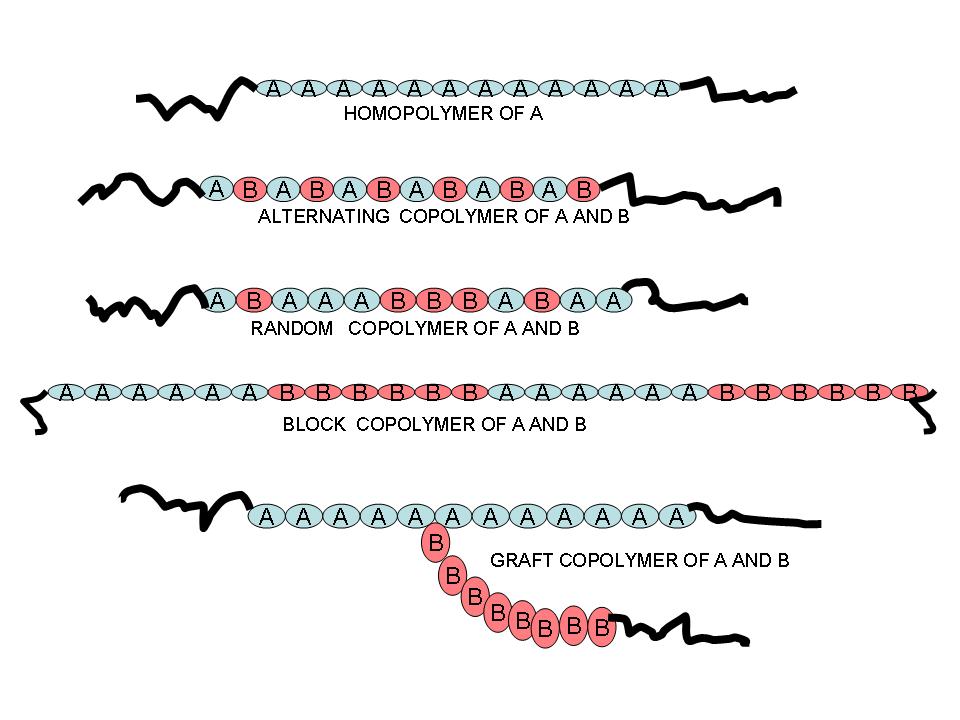
Polymers are made from smaller repeating units that are all linked together. These smaller molecules are called monomers. They're kind of like building blocks.

Image source: By Zappys Technology Solutions CC BY 2.0, via flickr.com
Some polymers are super big and can be made up of hundreds (or even thousands) of monomers bonded together. They are often held together by strong covalent bonds.
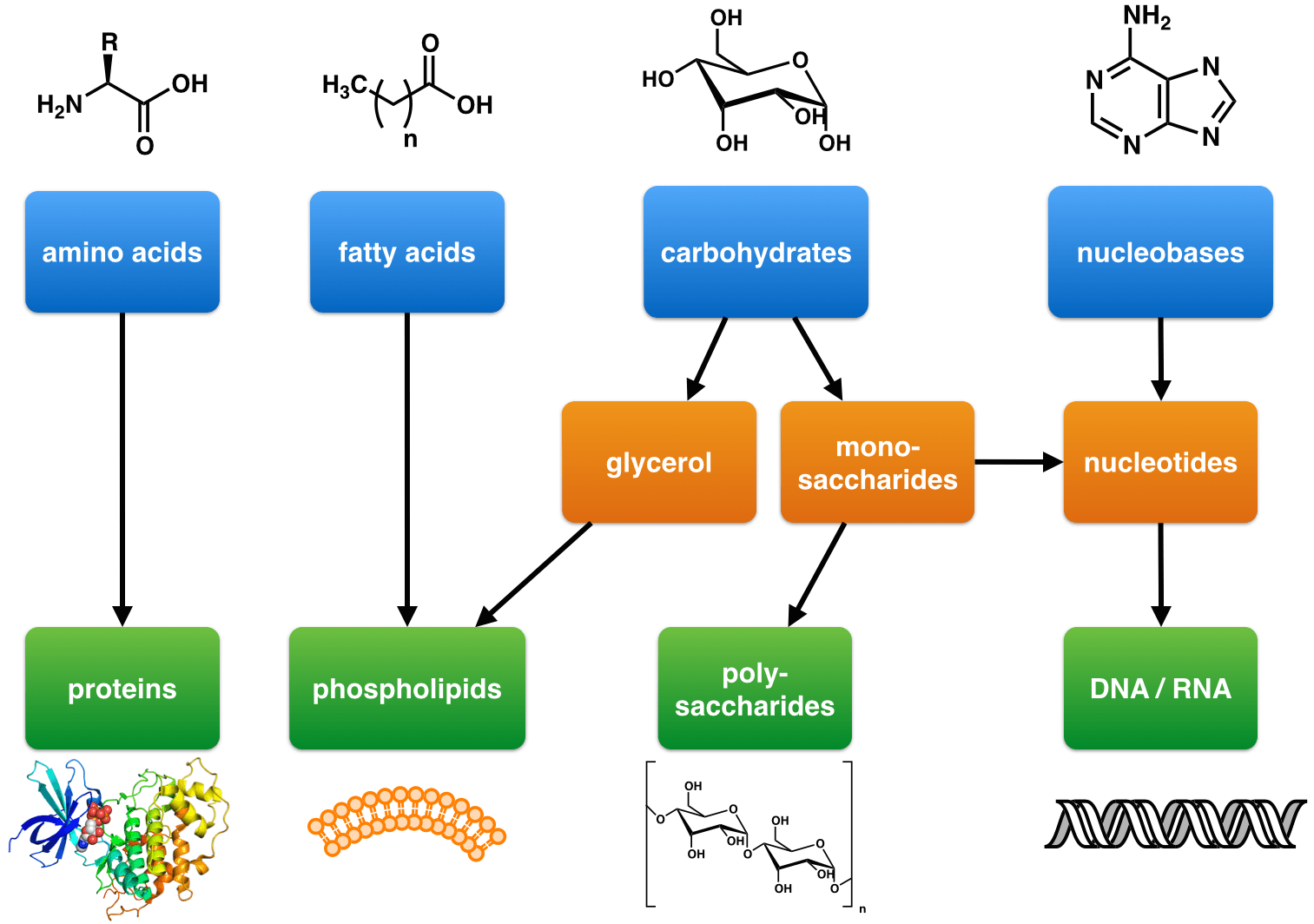
Let's return quickly to the four macromolecules we mentioned above. Each of those macromolecules (polymers) is made of a different monomer. Each of those monomers has its own name. For example, proteins are made of amino acids.

Image source: By OpenStax CC BY 4.0, via Wikimedia Commons
Key Vocabulary:
- Macromolecule
- Monomer
- Polymer